






What's Happening?
Feng shui, an ancient Chinese practice focused on arranging spaces to optimize energy flow, is being applied to homes in Seattle, Washington, with a particular emphasis on adapting to the city's often gray and rainy climate. The core idea is that a home's
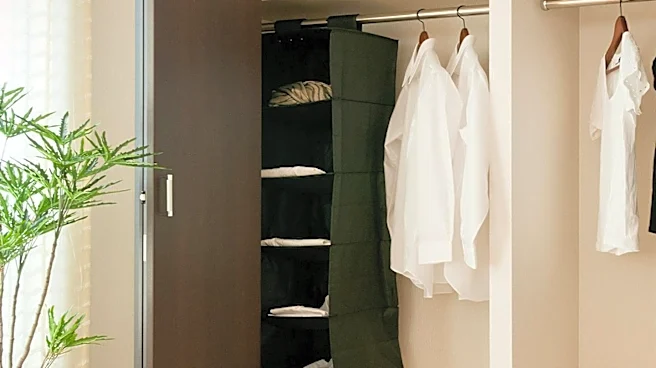
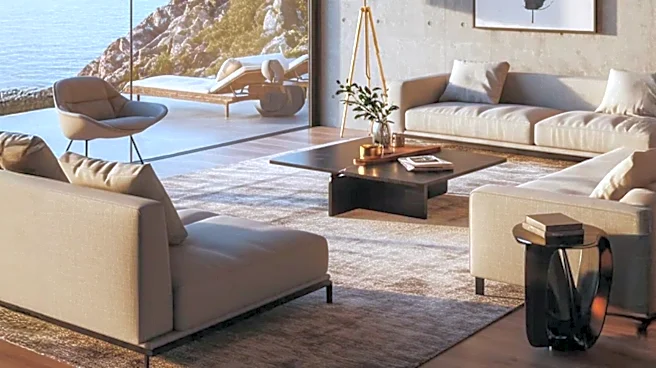
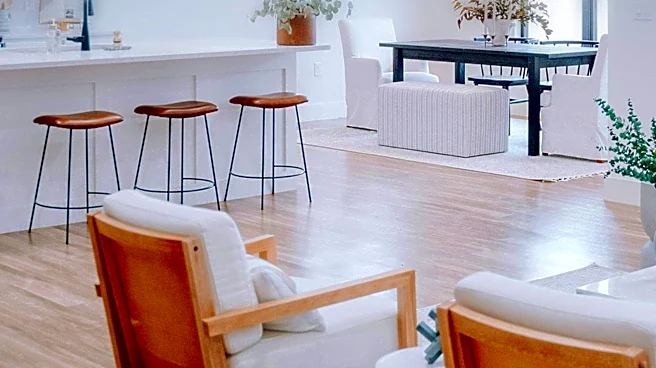
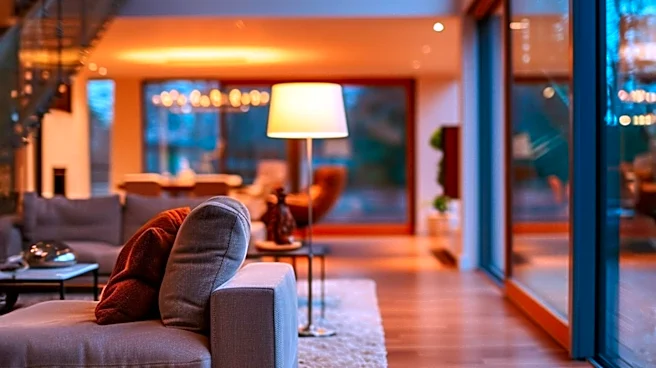
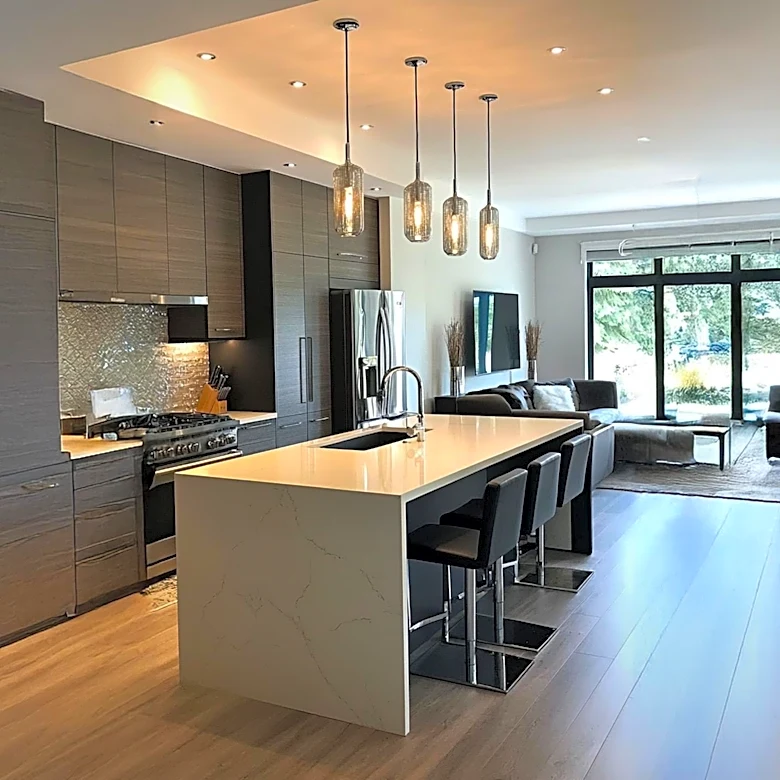
energy, or 'chi,' should move freely, with the front door considered the 'mouth of chi.' Key recommendations include maximizing natural light by cleaning windows, opening blinds, and trimming overgrown branches, as well as layering warm artificial lighting. Decluttering surfaces, closets, and pathways is crucial to prevent stagnant energy. For Seattle's specific conditions, advice includes keeping entryways dry and welcoming, managing dampness with ventilation, and incorporating natural materials like fir or cedar to represent the wood element. The practice also suggests placing beds, desks, and stoves in a 'command position' where one can see the door without being directly in line with it, and arranging seating in view homes to appreciate the scenery. These principles are also noted to align with home staging strategies, making properties more appealing to potential buyers.
Why It's Important?
The application of feng shui principles in U.S. homes, particularly in a market like Seattle, highlights a growing interest in holistic living and its potential impact on real estate. For homeowners, adopting these practices can lead to a more comfortable, balanced, and welcoming living environment, potentially improving well-being. The emphasis on natural light and decluttering can also contribute to a healthier indoor atmosphere. From an economic perspective, the alignment of feng shui with home staging techniques suggests a practical benefit for sellers. By creating a sense of calm, openness, and good flow, homes may become more attractive to buyers, potentially leading to quicker sales and better offers. This approach caters to a segment of the market that values both aesthetic appeal and a positive energetic feel in their living spaces, influencing design trends and homeowner priorities in competitive urban markets.
What's Next?
As awareness of feng shui and similar holistic design philosophies grows, more real estate professionals and interior designers in the U.S. may integrate these principles into their services. Homeowners might increasingly seek out advice on optimizing their living spaces for energy flow and well-being, especially in regions with specific climatic challenges like Seattle's prolonged gray periods. The continued adoption of these practices could lead to a subtle shift in home design and staging standards, where factors beyond mere aesthetics, such as light, space, and perceived energy, play a more significant role. This could also spur demand for products and services that support feng shui principles, such as specialized lighting, decluttering solutions, and natural material sourcing. The emphasis on creating welcoming and balanced environments is likely to remain a key factor in both personal enjoyment of a home and its marketability.
Beyond the Headlines
The integration of feng shui into modern U.S. home design reflects a broader cultural trend towards mindfulness and well-being in daily life. It signifies a move beyond purely functional or trend-driven aesthetics to a more intentional approach to living spaces, where the environment is seen as directly influencing mood, productivity, and overall health. This development also touches upon the psychological impact of our surroundings; a decluttered, well-lit, and harmoniously arranged home can reduce stress and promote a sense of peace. Furthermore, the emphasis on natural elements and light connects to biophilic design principles, acknowledging the human need for connection with nature. This trend suggests a deeper societal shift towards valuing intangible qualities like 'energy' and 'flow' in our physical spaces, potentially influencing urban planning and architectural design to create more human-centric environments that foster positive experiences.