



What's Happening?
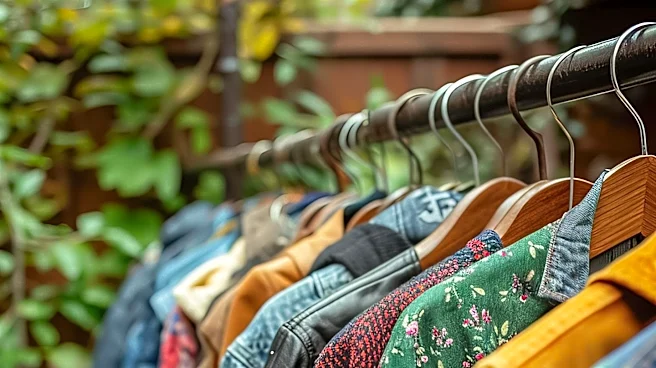
Consumers are playing a pivotal role in advancing the sustainable fashion movement by actively supporting ethical brands, engaging with second-hand and vintage stores, and advocating for greater transparency within the industry. This conscious consumption
approach, which prioritizes buying fewer but higher-quality and sustainable items, is significantly reducing fashion's environmental impact. The sustainable fashion movement aims to counter the detrimental effects of fast fashion, characterized by mass production, overconsumption, and rapid trend turnover, which contribute to excessive waste, pollution, and resource exploitation. Key elements of sustainable fashion include the use of eco-friendly materials like organic cotton and recycled fabrics, ethical production practices ensuring fair wages and safe working conditions, and the adoption of circular fashion principles where garments are designed for recycling, upcycling, or biodegrading. Designers are leading this charge by innovating with materials, implementing zero-waste techniques, and promoting the slow fashion philosophy, which emphasizes quality and longevity over disposable trends.
Why It's Important?
The increasing consumer demand for sustainable fashion has significant implications for the U.S. retail and manufacturing sectors. This shift is compelling U.S. brands to re-evaluate their supply chains, production methods, and material sourcing to align with ethical and environmental standards. Companies that fail to adapt risk losing market share to more sustainable competitors, as a growing segment of the population, particularly younger consumers, prioritizes eco-conscious purchasing. This movement also fosters innovation in textile technology and recycling infrastructure within the U.S., potentially creating new industries and job opportunities. Furthermore, the emphasis on ethical production can lead to improved labor practices globally, influencing U.S. companies that source materials or manufacture overseas. The growth of the second-hand market, driven by consumer choices, also impacts traditional retail models, encouraging businesses to explore resale platforms and circular business strategies. This collective consumer action is not just a trend but a fundamental reshaping of the fashion industry's economic and operational landscape.
What's Next?
As consumer awareness and demand for sustainable fashion continue to grow, the U.S. market can expect to see further integration of ethical and circular practices across the industry. More brands are likely to adopt eco-friendly materials, invest in transparent supply chains, and offer repair or resale services. Educational initiatives for consumers on sustainable choices, such as identifying ethical brands and understanding the impact of their purchases, will also expand. Policy discussions around textile waste and environmental regulations for the fashion industry may intensify, potentially leading to new standards or incentives for sustainable practices. The second-hand and vintage markets are projected to expand further, becoming more mainstream and accessible through digital platforms and dedicated retail spaces. This ongoing evolution will likely solidify sustainable fashion as a standard rather than an exception, driving continuous innovation and adaptation across the U.S. fashion ecosystem.
Beyond the Headlines
Beyond its immediate economic and environmental impacts, the consumer-driven sustainable fashion movement reflects a broader societal shift towards mindful consumption and ethical responsibility. It challenges the cultural norms of disposability and constant novelty perpetuated by fast fashion, encouraging a deeper appreciation for craftsmanship, durability, and the stories behind garments. This movement also has significant ethical implications, as it directly addresses issues of labor exploitation and environmental degradation often associated with rapid production cycles. By choosing sustainable options, consumers are not just buying clothes; they are making a statement about their values and contributing to a more equitable and environmentally sound global economy. This collective action empowers individuals to influence corporate behavior and policy, fostering a sense of shared responsibility for the planet and its inhabitants. Ultimately, it contributes to a redefinition of what constitutes 'value' in consumer goods, moving beyond price and trendiness to encompass ethical production, environmental stewardship, and social justice.