


What's Happening?
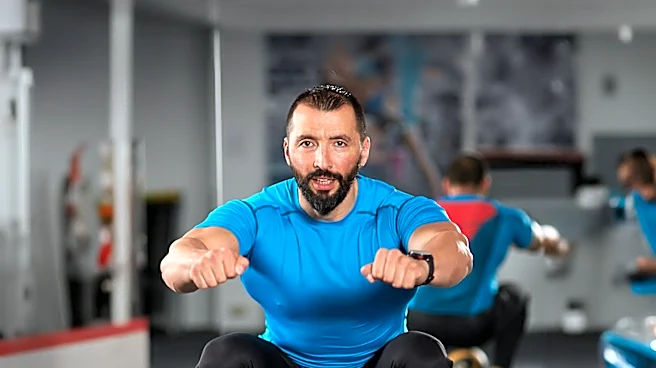
CBS News has featured a viral 4-minute workout, presented by Daniel Hill of House Call Personal Training, specifically designed for adults aged 65 and older. This brief exercise routine aims to improve strength, balance, and overall physical function
in seniors. The segment emphasizes that a short, consistent workout can yield significant benefits for this demographic. The workout is presented as an accessible and time-efficient method to maintain and enhance physical health, addressing common concerns such as mobility and stability in older adults.
Why It's Important?
This viral 4-minute workout is particularly important because it addresses a critical need for accessible and effective fitness solutions for the aging population. As the U.S. population ages, maintaining physical function and preventing falls becomes increasingly vital for public health. A short, manageable routine like this can significantly lower the barrier to entry for seniors who may be intimidated by longer or more strenuous exercise programs. By promoting improved strength and balance, the workout can enhance the quality of life for older adults, reduce healthcare costs associated with age-related injuries, and foster greater independence and well-being within this demographic.
What's Next?
The exposure on CBS News is likely to increase the popularity and adoption of this 4-minute workout among seniors and their caregivers. Personal trainers and healthcare providers may integrate similar short, high-impact routines into their recommendations for older adults. This could lead to a broader trend in fitness programming that prioritizes efficiency and accessibility for specific age groups. Further research might explore the long-term benefits and optimal variations of such brief workouts for seniors. The success of this viral workout could also encourage the development of more innovative and engaging exercise programs tailored to the unique needs of the elderly population.
Beyond the Headlines
The viral 4-minute workout for seniors touches upon deeper societal implications regarding active aging and the perception of fitness in later life. It challenges the notion that significant physical activity requires extensive time or effort, promoting a more inclusive view of exercise. This initiative can empower older adults to take proactive steps in managing their health, fostering a sense of self-efficacy and combating ageism in fitness. It also highlights the role of media in disseminating valuable health information and promoting positive lifestyle changes. The focus on balance and functional strength underscores a shift towards practical, real-world benefits of exercise, rather than purely aesthetic goals, for the senior demographic.