






What's Happening?
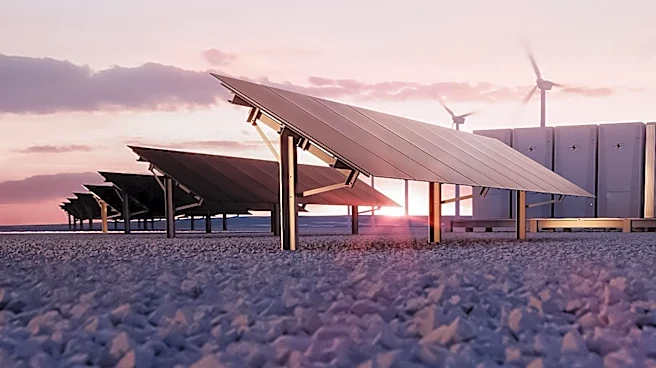
Leap, a platform specializing in virtual power plants, has introduced a new offering within California's Emergency Load Reduction Program (ELRP) to monetize battery storage systems. This initiative allows battery storage providers in the Pacific Gas and
Electric Company (PG&E) service area to earn revenue by exporting energy back to the grid. Previously, battery exports were not widely compensated, leaving much of their capacity untapped. The new offering simplifies customer enrollment, addressing a major barrier to participation in demand response programs. This development is part of Leap's broader efforts to enhance grid flexibility and resilience by leveraging distributed energy resources.
Why It's Important?
Leap's new offering represents a significant shift in how battery storage systems can be utilized and monetized, potentially unlocking substantial value for providers and enhancing grid reliability. By compensating battery exports, the program incentivizes the use of existing storage capacity, which is crucial as electricity demand continues to rise. This initiative could lead to increased adoption of battery storage solutions, supporting California's transition to a more sustainable energy grid. The simplified enrollment process may also boost participation rates, further integrating distributed energy resources into the state's energy infrastructure.
What's Next?
As Leap's offering gains traction, it could influence similar programs across the U.S., encouraging broader adoption of battery storage technologies. The success of this initiative may prompt further regulatory changes to support energy storage and grid management. Stakeholders, including battery storage providers and grid operators, will likely monitor the program's impact on grid stability and economic returns. Continued innovation in this area could drive significant advancements in energy storage solutions, contributing to a more resilient and sustainable energy future.