






What's Happening?
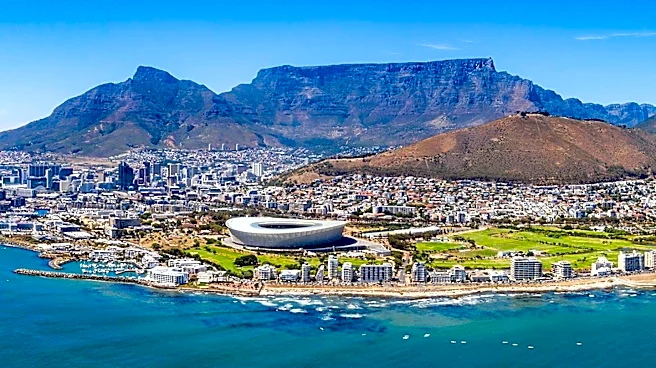
Cape Town is experiencing a significant surge in wealth, with its millionaire population increasing by 35% over the past decade, according to The Africa Wealth Report 2026. This growth positions Cape Town as a rapidly ascending financial hub on the continent.
While Johannesburg still holds the top spot with 11,500 millionaires, Cape Town closely follows with 9,700. The Cape Winelands region, specifically, has seen an even more dramatic increase, with its millionaire population growing by 55% in the last ten years, marking the fastest growth among Africa's top 10 wealthiest cities. In contrast, other major African cities like Lagos have experienced a decline in their millionaire populations, with Lagos seeing a 32% shrinkage.
Why It's Important?
This shift in wealth distribution across Africa highlights changing economic dynamics and investment patterns. Cape Town's robust growth in millionaire population suggests a favorable environment for wealth creation and retention, potentially driven by factors such as a strong economy, attractive lifestyle, and stable governance. This trend could lead to increased foreign investment and business development in the region, further solidifying its position as a key economic player. For South Africa, this concentration of wealth in Cape Town and the Winelands could influence national economic policies and resource allocation, potentially drawing more attention and investment to the Western Cape province. The decline in millionaire populations in other cities like Lagos could signal challenges in their economic landscapes, impacting their ability to attract and retain high-net-worth individuals and businesses.
What's Next?
The continued growth of Cape Town's millionaire population is likely to attract further investment in luxury goods, real estate, and high-end services within the city and the surrounding Cape Winelands. This trend could also lead to increased demand for specialized financial services and wealth management firms. Local and national governments may look to capitalize on this economic momentum by implementing policies that support business growth and attract more high-net-worth individuals. Conversely, cities experiencing a decline in their millionaire populations may need to re-evaluate their economic strategies to address the factors contributing to wealth outflow and to create more attractive environments for investment and wealth generation.
Beyond the Headlines
The concentration of wealth in specific urban centers like Cape Town can have broader societal implications, including potential increases in income inequality and changes in urban development patterns. As more millionaires move to or are created in Cape Town, there could be a heightened demand for exclusive amenities and services, potentially driving up living costs and impacting affordability for other residents. This economic shift also raises questions about sustainable development and inclusive growth, ensuring that the benefits of increased wealth are distributed more broadly across the population. The success of Cape Town could serve as a model for other African cities seeking to attract and retain wealth, prompting a re-evaluation of urban planning, infrastructure development, and economic policies across the continent.