





What's Happening?
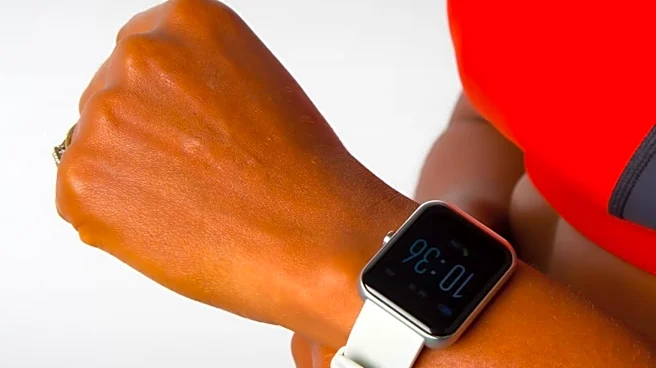
Smart rings, while offering comfort and long battery life, face several challenges as a primary health tracking device. Companies like Oura and Samsung have explored smart rings, which excel in sleep tracking but fall short in workout tracking compared
to smartwatches. The lack of a display and limited customization options are significant drawbacks. Additionally, smart rings often require a subscription for full functionality, adding to the cost. Despite these challenges, smart rings remain a supplementary health tracker, with potential growth as companies explore new wearable technologies.
Why It's Important?
The challenges faced by smart rings highlight the competitive landscape of wearable technology. While smart rings offer unique benefits, their limitations in fitness tracking and customization may hinder widespread adoption. This situation underscores the importance of innovation in the wearable market, as companies strive to balance functionality, cost, and user experience. For consumers, the decision between smart rings and smartwatches involves trade-offs in features and convenience. As the market evolves, the success of smart rings will depend on addressing these challenges and differentiating themselves from other wearables.