





What's Happening?
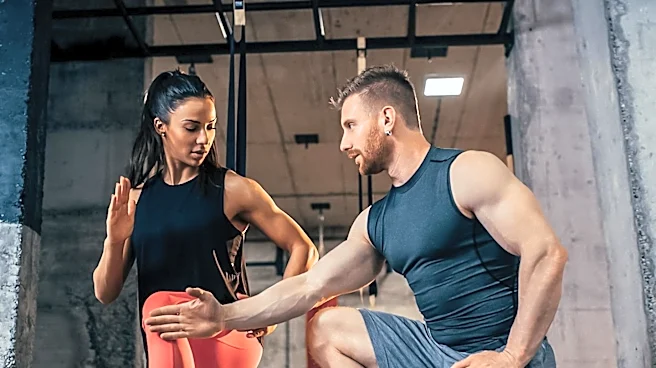
Couples personal training allows two individuals to work with the same trainer during a single session, accommodating both shared and individual fitness goals. This training model is flexible, enabling spouses, partners, friends, or family members to exercise
together while receiving personalized coaching. The trainer assesses each person's goals, fitness level, and preferences to create a shared workout structure that can be modified for individual needs. This means that within the same session, different resistance levels, exercise variations, ranges of motion, repetitions, or rest periods can be applied to each participant. The training can encompass various elements such as strength training, cardiovascular conditioning, mobility, flexibility, and functional movements like squatting, lifting, and carrying. The primary benefit is shared accountability, as training together can establish a consistent routine that both clients are committed to maintaining.
Why It's Important?
The rise of couples personal training reflects a growing demand for flexible and personalized fitness solutions that cater to diverse needs within a shared social context. This approach is particularly important for individuals who might struggle with motivation or consistency when exercising alone, as the shared commitment can enhance adherence to a fitness regimen. It also addresses the common challenge of differing fitness levels or goals between partners, allowing both to progress at their own pace without one feeling held back or overwhelmed. From a business perspective, this model expands the market for personal trainers, enabling them to serve two clients simultaneously while still delivering individualized attention. This can make personal training more accessible and appealing to a broader demographic, fostering a more active and health-conscious society by making fitness a shared and supportive experience.
What's Next?
As the popularity of couples personal training grows, the fitness industry is likely to see an increase in specialized programs and trainers catering to this niche. Fitness platforms and gyms may further develop tools and resources to facilitate matching couples with suitable trainers based on their combined goals, schedules, and preferences. There could also be an evolution in how these sessions are structured, with more innovative ways to integrate individual modifications within a group setting. Furthermore, the emphasis on shared accountability and social support in fitness could lead to the development of similar small-group training models that leverage interpersonal dynamics for improved adherence and results. Technology, such as fitness apps and wearable devices, might also play a larger role in tracking individual progress within a shared training environment, providing personalized feedback to both the trainer and the clients.
Beyond the Headlines
Beyond the immediate fitness benefits, couples personal training touches upon deeper psychological and social aspects of well-being. Engaging in a shared fitness journey can strengthen interpersonal bonds, fostering mutual support and encouragement. It transforms exercise from a solitary chore into a collaborative activity, potentially enhancing relationship satisfaction and shared life experiences. This model also subtly challenges traditional notions of individual achievement in fitness, highlighting the power of collective effort and shared goals. Ethically, trainers must navigate the dynamics of two individuals, ensuring equitable attention and progress for both, while respecting their individual boundaries and preferences. Culturally, it reflects a broader trend towards integrating wellness into social activities, making health a communal pursuit rather than solely a personal one, which could have long-term positive impacts on public health and community engagement.