





What's Happening?
Blue Light Junction is organizing a community indigo dye session as part of its November Art Walk, aiming to raise funds for its educational and community-based programming, as well as general studio and garden operating efforts. The guided experience,
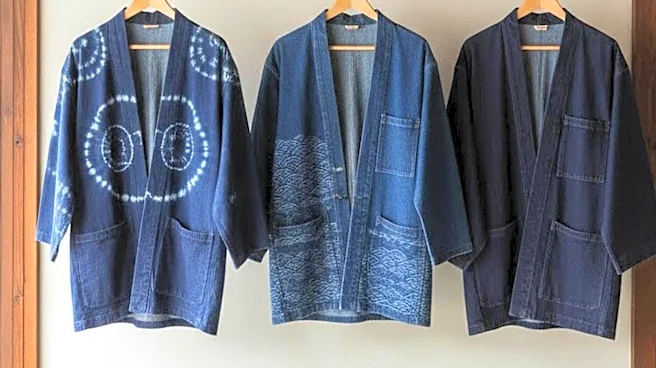
held in the dye lab, will allow participants to work directly with natural indigo and explore basic dyeing and resist techniques. Attendees are encouraged to bring a beloved old item to refresh and transform. The session will utilize a 30-gallon indigo vat made from ferrous sulfate (iron), calcium hydroxide, and organic indigo pigment. Participants will have access to inspiration books, clamps, wooden items for resist, and gloves. Due to time constraints, stitching and dyeing within the hour-long session will not be possible, with participants typically achieving 1-2 dips, while deeper blues require multiple dips.
Why It's Important?
This initiative by Blue Light Junction highlights the growing trend of community engagement in sustainable practices and traditional crafts within the U.S. The event not only provides a hands-on learning experience but also serves as a fundraising mechanism, demonstrating how cultural and educational organizations can leverage public interest in eco-friendly activities to secure financial support. For the U.S. textile and craft communities, such events foster skill-sharing and promote the use of natural dyes, which are more environmentally benign than synthetic alternatives. By encouraging the transformation of old items, the session also champions upcycling and reduces textile waste, aligning with broader sustainability goals. This model can inspire other community centers and art organizations to create similar programs, strengthening local economies and promoting environmental stewardship.
What's Next?
The success of community-focused events like Blue Light Junction's indigo dye session could lead to an increase in similar workshops and educational programs across the U.S., particularly in urban centers with active art and craft scenes. These events may expand to include other natural dyeing techniques and sustainable craft practices, further diversifying community offerings. Organizations might also explore partnerships with local businesses or educational institutions to broaden their reach and impact. Continued fundraising efforts through experiential learning will likely remain a key strategy for non-profit arts and environmental groups. Furthermore, the emphasis on refreshing old items could inspire more widespread adoption of upcycling and repair culture, influencing consumer behavior towards more sustainable consumption patterns.
Beyond the Headlines
Beyond the immediate benefits of fundraising and skill-building, events like the indigo dye session contribute to a deeper cultural shift towards valuing handmade goods and sustainable living. In a society often dominated by mass-produced items, the act of transforming an old garment with natural dye fosters a personal connection to the object and its creation. This can lead to a greater appreciation for the labor and resources involved in textile production, potentially influencing purchasing decisions towards more ethically and sustainably made products. The use of natural indigo also connects participants to historical and global traditions of dyeing, enriching their understanding of cultural heritage. Such community-led initiatives play a crucial role in preserving traditional crafts and promoting environmental consciousness at a grassroots level, fostering a more mindful and engaged citizenry.