






What's Happening?
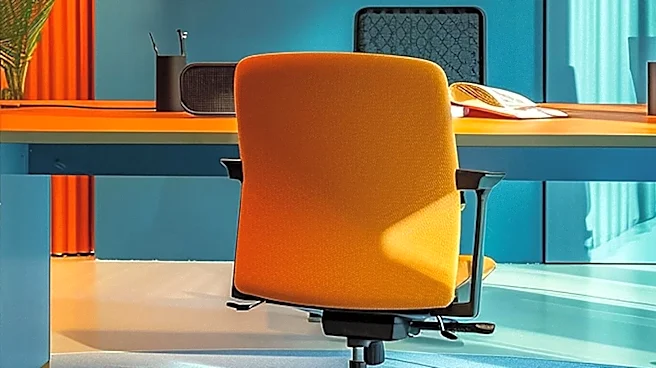
HBADA, a company specializing in office chairs, has released a detailed 12-question buying guide to help consumers select the right ergonomic office chair. The guide emphasizes that proper chair selection is crucial for comfort and productivity, especially
with the prevalence of remote work. It advises users to consider specific dimensions such as seat height, usable seat depth, seat width, and armrest spacing, rather than relying solely on overall chair size or advertised features. The guide also stresses the importance of ensuring the chair fits the user's body proportions and integrates well with their existing desk setup. It provides practical tips for measuring current chairs and identifying areas for improvement, aiming to prevent common issues like unsupported feet, pressure behind the knees, and uncomfortable arm positions.
Why It's Important?
The increasing number of Americans working from home has highlighted the critical need for ergonomic office furniture. Poor chair selection can lead to various health issues, including back pain, neck strain, and carpal tunnel syndrome, which can significantly impact employee well-being and productivity. For businesses, investing in ergonomic solutions for their remote workforce can reduce healthcare costs and improve overall efficiency. For individuals, a properly fitted ergonomic chair is an investment in long-term health and comfort, directly affecting their ability to perform tasks effectively. HBADA's guide empowers consumers to make informed decisions, ensuring they choose chairs that genuinely support their physical needs and integrate seamlessly into their home office environments, thereby mitigating potential health risks associated with prolonged sitting.
What's Next?
The market for ergonomic office chairs is expected to continue its growth trajectory as remote and hybrid work models become standard. Manufacturers like HBADA will likely focus on developing more customizable and adjustable chairs that cater to a wider range of body types and desk configurations. There will also be an increased emphasis on sustainable materials and smart features, such as integrated sensors for posture correction. Educational resources, like HBADA's guide, will become more prevalent, helping consumers understand the nuances of ergonomic design. Furthermore, employers may increasingly offer stipends or guidance for ergonomic home office setups, recognizing the direct link between employee comfort and productivity.
Beyond the Headlines
The focus on ergonomic office chairs extends beyond mere comfort; it reflects a growing awareness of occupational health in non-traditional work settings. This shift challenges the notion that home offices are inherently less professional or less deserving of proper equipment than corporate offices. It also highlights the responsibility of individuals to prioritize their physical well-being in a work-from-home context. The detailed nature of HBADA's guide suggests a move towards more personalized and data-driven approaches to furniture selection, where individual body measurements and work habits dictate choices. This could lead to innovations in virtual fitting tools and AI-powered recommendations, further democratizing access to optimal ergonomic solutions and promoting a healthier work culture across all environments.