



What's Happening?
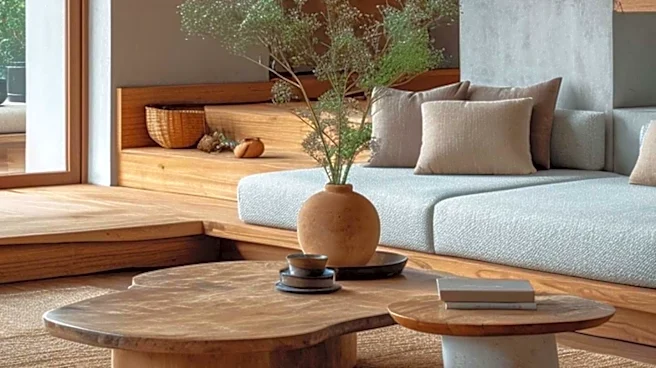
Interior design experts have highlighted five common mistakes that contribute to a 'loud' and unrestful feeling in living rooms, extending beyond simple clutter. According to Eris Koutsoudakis, co-founder of Meraki Design, and Shona McElroy of Smac Studio,
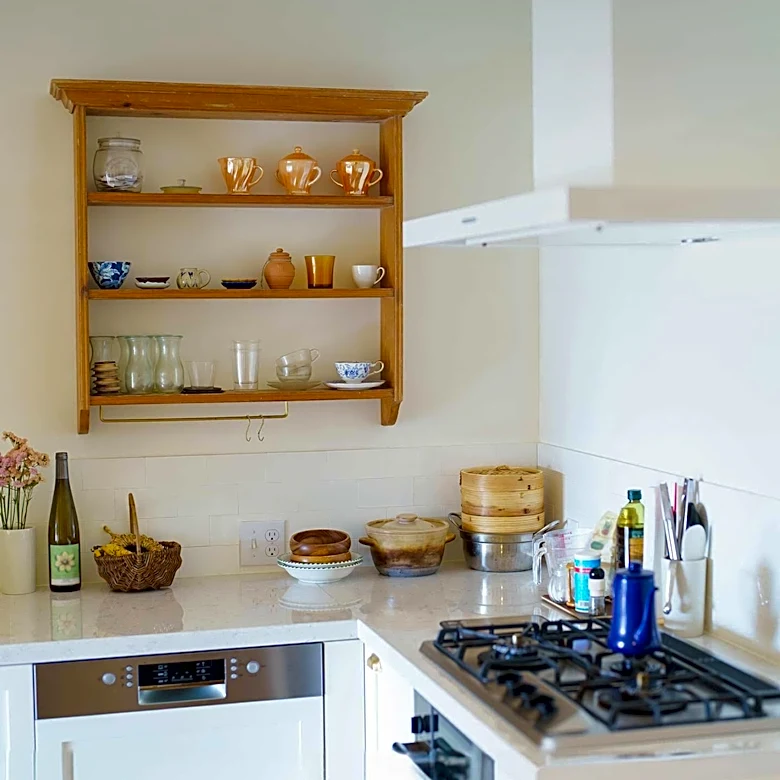
these issues include high contrast in design elements, overly bright lighting, excessive 'stuff' (both decorative and practical), competing focal points, and incorrect proportions of furniture. High contrast, for instance, can make each element read separately, creating visual interruptions. Too-bright or cool-toned lighting can make a space feel clinical or unsettling, rather than relaxing. The presence of numerous practical items like cables and remote controls, alongside decorative objects, adds to visual noise. When multiple design elements vie for attention, the room can appear erratic. Lastly, incorrect furniture proportions, whether too large or too small, disrupt the room's flow and create a cluttered effect.
Why It's Important?
The insights from these interior designers are important for U.S. homeowners and the interior design industry, as they offer practical guidance for creating more serene and functional living spaces. A 'loud' or unrestful living room can negatively impact residents' well-being, contributing to stress and discomfort in a space intended for relaxation. For the design industry, these observations underscore the need for thoughtful planning and a holistic approach to interior aesthetics, moving beyond superficial styling to address fundamental design principles. Homeowners can benefit by understanding how seemingly minor design choices, such as lighting temperature or the arrangement of everyday items, significantly influence the overall ambiance and perceived tranquility of their homes. This focus on visual quietness can lead to more harmonious living environments, potentially improving mental and emotional comfort for occupants.
What's Next?
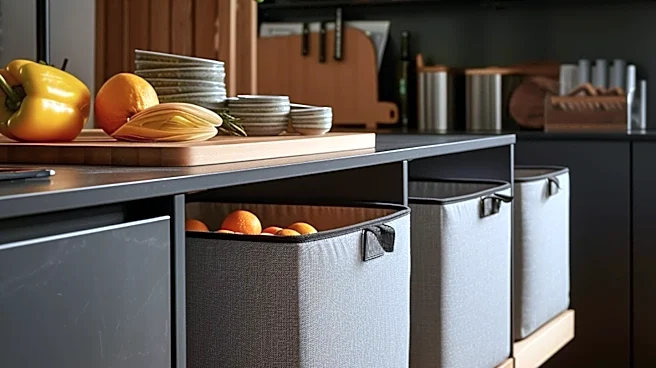
Homeowners and interior design enthusiasts are likely to increasingly adopt these recommendations to transform their living spaces. The advice suggests a shift towards more integrated storage solutions, warmer and diffused lighting, and a more curated approach to decor, emphasizing quality over quantity. Designers may see a greater demand for services that focus on creating cohesive and calming environments, potentially influencing trends in furniture design, lighting fixtures, and storage solutions. Educational content from design professionals, magazines, and online platforms will likely continue to disseminate these principles, encouraging a more mindful approach to home aesthetics. The emphasis on planning and proportionality also suggests a move away from impulsive decorating towards more deliberate and functional design choices.
Beyond the Headlines
Beyond the immediate aesthetic improvements, the concept of a 'quiet' living room touches upon broader psychological and cultural implications. In an increasingly fast-paced and visually stimulating world, the home serves as a crucial sanctuary. The pursuit of visual quietness reflects a growing societal need for spaces that promote calm, focus, and mental well-being. This trend aligns with minimalist philosophies and the desire to reduce sensory overload, suggesting a deeper cultural shift towards valuing tranquility and simplicity in personal environments. Ethically, designers are encouraged to consider the long-term impact of their choices on occupants' mental health, moving beyond purely aesthetic considerations to create spaces that genuinely support a peaceful lifestyle. This emphasis on well-being could also influence architectural design, promoting layouts and features that inherently reduce visual clutter and enhance natural light.