







What's Happening?
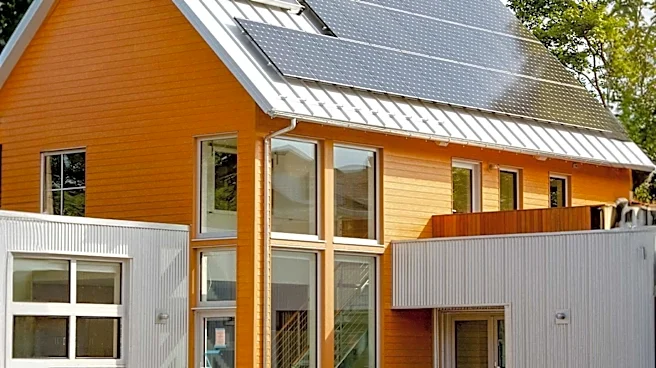
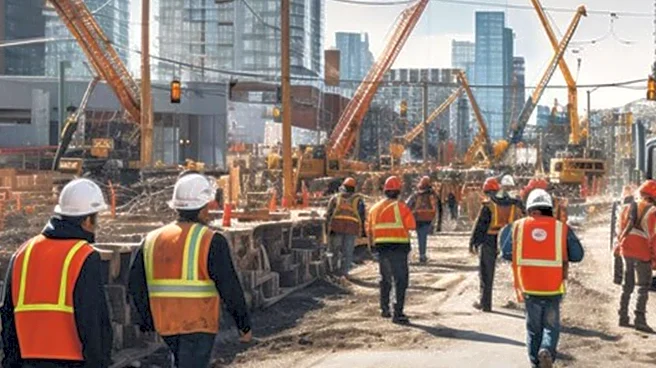
The formwork and scaffolding market in the U.S. is undergoing a significant transformation driven by the increasing adoption of sustainable construction practices. This shift is influenced by stringent environmental regulations, growing client demand
for eco-conscious projects, and the construction industry's commitment to reducing its carbon footprint. Manufacturers are increasingly developing and utilizing advanced materials that are durable, lightweight, and recyclable, such as engineered timber, bamboo, recycled plastics, and advanced composites. These innovations not only support environmental goals but also improve operational efficiency by reducing labor costs and installation time. Modern systems are designed for disassembly, enabling easy recycling and reuse across multiple projects, aligning with circular economy principles and minimizing waste.
Why It's Important?
This trend is critically important for the U.S. construction industry, which is a major contributor to waste and resource consumption. The adoption of sustainable formwork and scaffolding solutions can significantly reduce the environmental impact of construction projects, leading to lower carbon emissions and less landfill waste. For businesses, this means a competitive advantage as developers increasingly seek systems that meet green building certifications like LEED and BREEAM. It also drives innovation in material science and manufacturing, creating new market opportunities for companies that invest in sustainable technologies. While initial costs for advanced materials can be higher, the long-term benefits of reusability, reduced labor, and improved efficiency can lead to overall project cost savings and enhanced profitability.
What's Next?
The future of the U.S. formwork and scaffolding market is poised for continued growth, driven by ongoing innovation, regulatory support, and increasing environmental awareness. Companies are expected to further invest in the development of fully recyclable formwork systems and the integration of digital and IoT technologies for enhanced monitoring and efficiency. Manufacturers that prioritize sustainable materials and design for disassembly will be well-positioned to meet the evolving demands of eco-conscious clients. Collaborations with technology providers are also anticipated to enhance the safety, efficiency, and environmental performance of these solutions. As environmental regulations tighten and client preferences evolve, sustainable solutions will become an essential strategic imperative for competitive advantage in the construction sector.
Beyond the Headlines
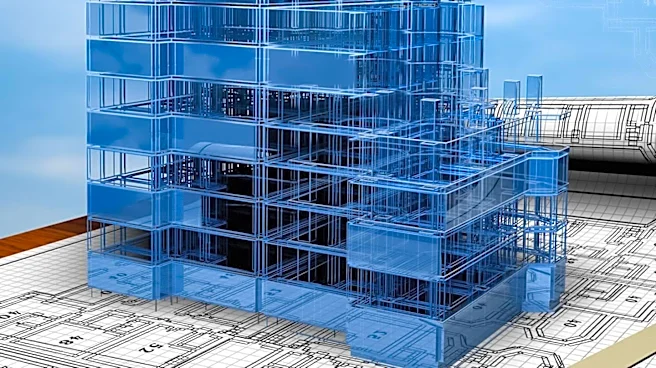
The shift towards sustainable formwork and scaffolding in the U.S. represents a broader paradigm change in the construction industry, moving away from linear 'take-make-dispose' models towards a more circular economy. This has profound ethical implications, as it encourages a more responsible stewardship of resources and a reduction in the industry's ecological footprint. It also highlights the potential for technological advancements, such as digital tools like Building Information Modeling (BIM) and IoT-enabled systems, to play a crucial role in optimizing resource allocation and extending equipment lifespans. This evolution could lead to new industry standards, training requirements for workers, and a redefinition of 'quality' in construction to include environmental performance, ultimately fostering a more resilient and sustainable built environment.