


What's Happening?
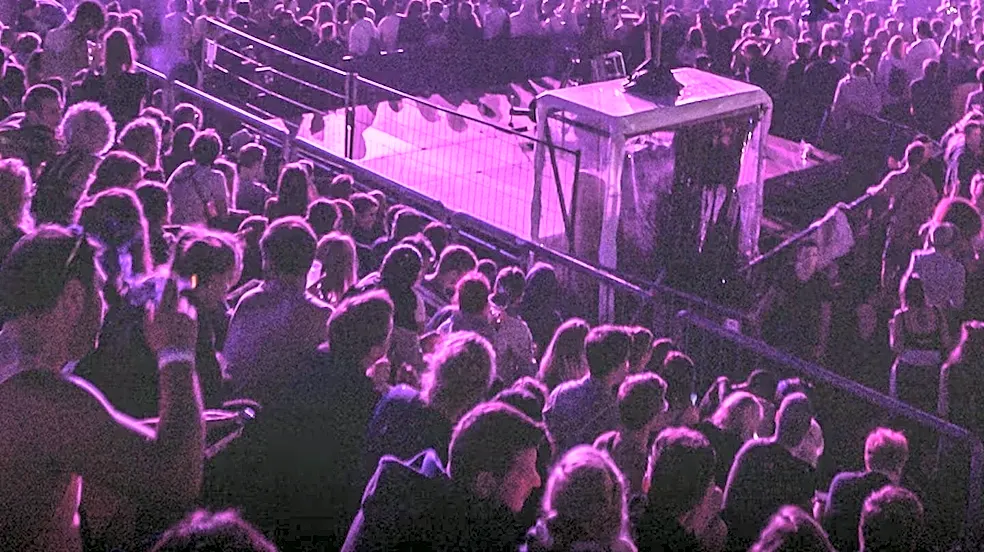
Forest Hills Stadium in Queens, New York, has reached a three-way agreement to limit the number of concerts it will host annually to 28. This decision comes after a years-long legal battle stemming from noise complaints by residents in the surrounding
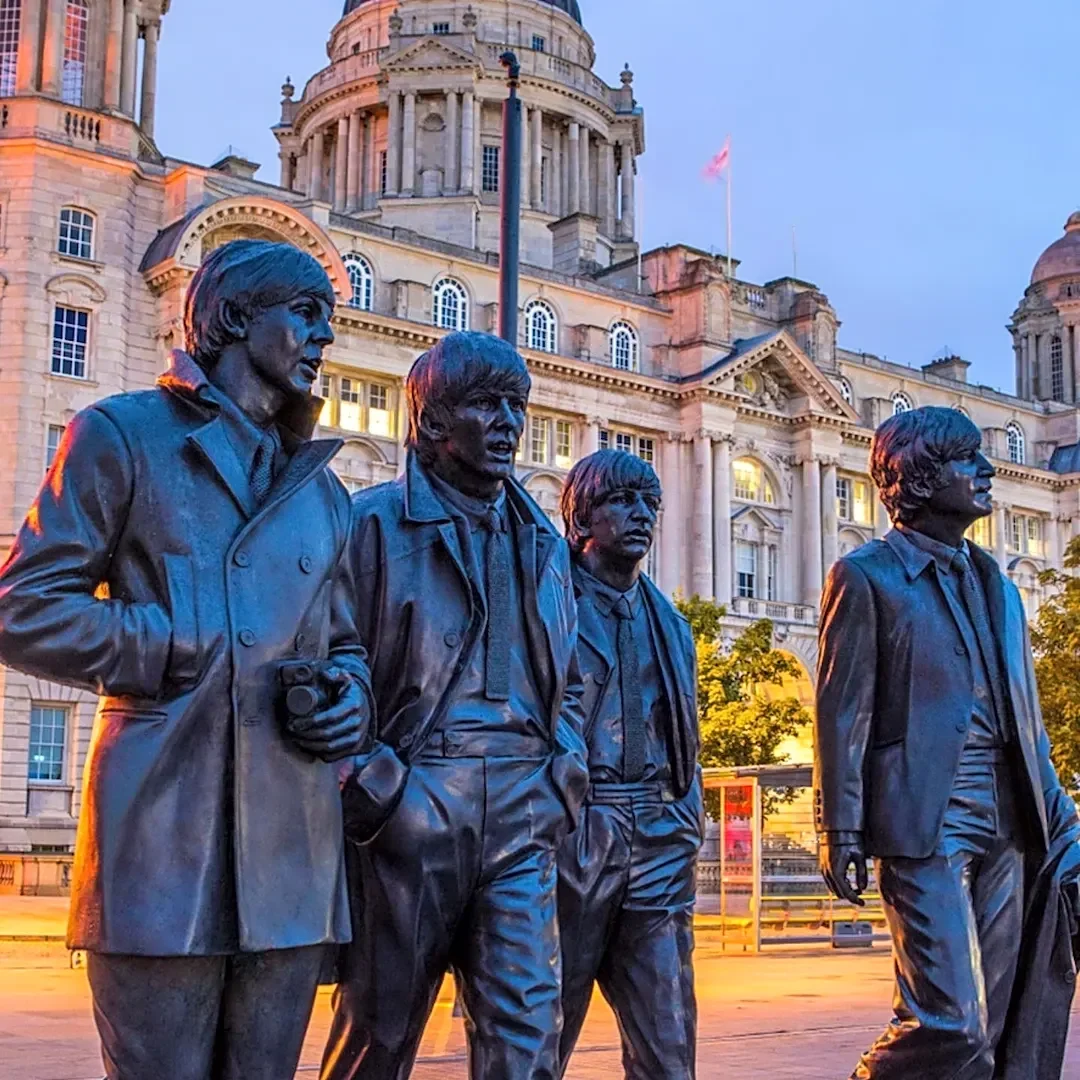
residential area. The agreement involves the Forest Hills Gardens Corporation, West Side Tennis Club (which includes the stadium), and Tiebreaker Productions. The stadium, originally built for tennis, has a long history as a concert venue, hosting iconic artists like The Beatles and Bob Dylan. Following a redesign and reopening in 2013, the open-air venue faced lawsuits and acoustic noise measurements due to sound levels exceeding New York City noise codes. The 2026 concert season for Forest Hills Stadium has already concluded, with only two shows currently scheduled for September 2027.
Why It's Important?
This agreement is significant for both the entertainment industry and urban planning in residential areas. For the entertainment sector, it sets a precedent for how large-scale outdoor venues must balance their operations with community concerns, potentially influencing future venue development and event scheduling in densely populated areas. For residents, it represents a victory in addressing quality-of-life issues, ensuring that their right to peace and quiet is considered alongside commercial interests. The resolution highlights the ongoing challenge of integrating major cultural attractions within residential neighborhoods and the necessity of finding compromises that benefit all stakeholders. It also underscores the importance of local regulations, such as noise ordinances, in mediating such conflicts.
What's Next?
With the agreement in place, Forest Hills Stadium will operate under the new limit of 28 concerts per season. The venue will also redirect some of its revenue into the Forest Hills neighborhood, as part of the settlement. The West Side Tennis Club expressed gratitude for the patience and constructive dialogue from all sides, indicating a commitment to building on this work for the benefit of its membership, the stadium's success, and the neighborhood. Future concert schedules will adhere to this cap, and the community will likely monitor compliance with the new noise regulations and revenue allocation. The resolution aims to ensure the stadium's continued operation while mitigating its impact on local residents.
Beyond the Headlines
The Forest Hills Stadium case illuminates the complex interplay between cultural heritage, urban development, and community well-being. While the stadium holds historical significance as a venue for legendary musical acts, its location in a residential area created an inherent conflict. This situation is a microcosm of broader urban challenges where the desire for vibrant cultural spaces often clashes with the need for residential tranquility. The resolution, involving a cap on events and community investment, suggests a model for sustainable coexistence. It emphasizes that the long-term viability of such venues depends not only on their artistic offerings but also on their ability to integrate responsibly within their local environments, fostering a sense of shared benefit rather than imposition.