







What's Happening?
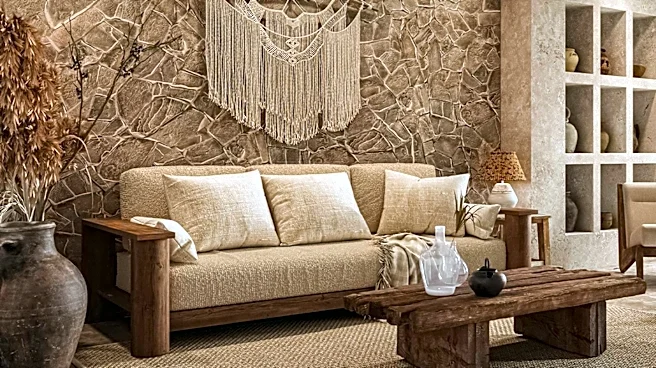
Japandi style, a fusion of Japanese minimalism and Scandinavian comfort, is gaining prominence in interior design. This aesthetic emphasizes calm, warmth, and uncluttered spaces, characterized by a disciplined approach where every element serves a purpose.
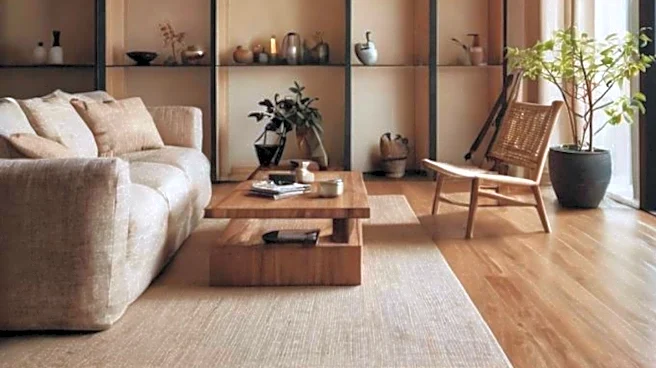
Key features include low oak furniture, linen and paper lamps, and a neutral color palette comprising oatmeal, clay, and charcoal. The style prioritizes natural textures and handcrafted items with irregular forms, deliberately avoiding excessive decoration. It creates an environment that promotes tranquility and a sense of silence, akin to a Zen garden, where design reveals itself through light, material, and intentional emptiness. This approach ensures that spaces are not merely decorated but are shaped by a philosophy of essentialism and understated elegance.
Why It's Important?
The rise of Japandi style reflects a broader cultural shift towards mindfulness and intentional living, impacting U.S. interior design and consumer preferences. As individuals seek refuge from increasingly chaotic external environments, this style offers a sanctuary of calm and simplicity within their homes. For the U.S. furniture and home goods industries, this trend signifies a growing demand for sustainable, handcrafted, and minimalist products. Manufacturers and retailers who adapt to this aesthetic, focusing on natural materials, neutral tones, and functional design, stand to gain significantly. Conversely, those heavily invested in ornate or maximalist styles may face declining relevance. The emphasis on quality over quantity and the appreciation for artisanal craftsmanship could also stimulate local economies and small businesses specializing in bespoke furniture and decor. This trend also influences architectural design, promoting open, light-filled spaces that integrate seamlessly with nature, thereby shaping future residential and commercial developments.
What's Next?
The continued adoption of Japandi style is likely to influence product development cycles in the U.S. home furnishings market, with an increased focus on minimalist designs, natural materials, and sustainable production methods. Interior designers and architects will increasingly incorporate these principles into their projects, leading to a more widespread presence of Japandi aesthetics in residential and commercial spaces. Educational programs in design may also begin to emphasize cross-cultural design philosophies, including the principles of Japanese minimalism and Scandinavian functionality. Consumers can expect to see more accessible options for Japandi-inspired furniture and decor in mainstream retail, as brands adapt to meet the growing demand. Furthermore, the style's emphasis on decluttering and intentional living could foster a broader societal conversation about consumption habits and the psychological benefits of minimalist environments.
Beyond the Headlines
Beyond its aesthetic appeal, Japandi style embodies a deeper philosophical shift towards conscious living and environmental responsibility. Its emphasis on natural materials and durability encourages a move away from fast furniture and disposable decor, promoting a more sustainable consumption model. The style's core tenets of simplicity and functionality can also have a profound psychological impact, reducing visual clutter and fostering a sense of peace and well-being. This aligns with growing interest in practices like mindfulness and hygge, suggesting that Japandi is more than just a design trend; it's a lifestyle choice. The integration of Japanese and Scandinavian design principles also highlights the increasing globalization of aesthetic influences, demonstrating how diverse cultural traditions can converge to create universally appealing and impactful design solutions. This cross-cultural exchange enriches the U.S. design landscape, offering new perspectives on how spaces can be designed to enhance human experience.