




What's Happening?
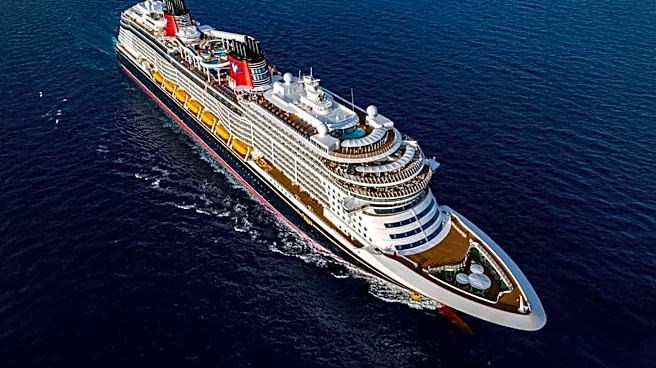
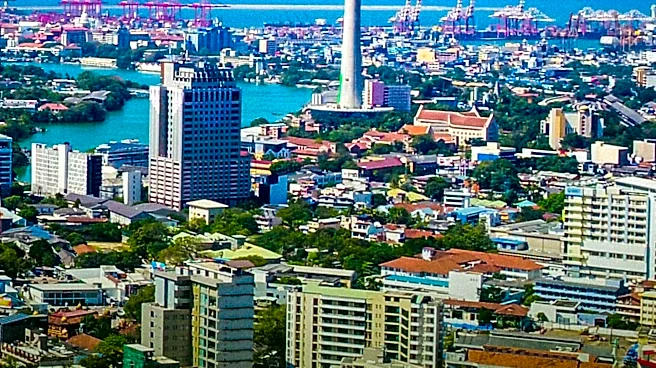
Sri Lanka is actively pursuing a strategy to establish Colombo as a prominent cruise tourism hub in the Indian Ocean. Both the government and the private sector are collaborating to attract more international cruise liners and encourage longer stays from
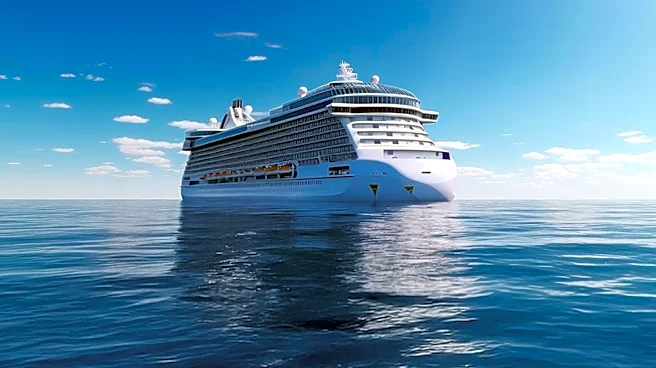
passengers, aiming to generate broader economic benefits. Ocean Cruise Global Accounts Director Thushaan Kunabalasingam has engaged in discussions with government ministers and officials, including the Sri Lanka Ports Authority (SLPA), to explore accommodating larger vessels carrying 5,000-7,000 passengers. Currently, many major cruise operators bypass Colombo despite Sri Lanka's strategic location. The initiative seeks to create integrated tourism offerings by bringing together hotels, travel agencies, and other stakeholders to develop packages that incentivize cruise passengers to disembark, explore Sri Lanka, and extend their time in the country. The goal is to shift from brief stop-and-go visits to more immersive experiences, potentially capturing cruise traffic that currently favors destinations like the Maldives.
Why It's Important?
This initiative is crucial for Sri Lanka's tourism sector, aiming to elevate its economic contribution by attracting higher-spending visitors and diversifying its tourism offerings. By positioning Colombo as a cruise hub, Sri Lanka can tap into a lucrative segment of the global tourism market, which typically involves passengers with higher disposable incomes. Longer passenger stays would distribute economic benefits beyond ports and hotels to a wider array of local businesses, including transport operators, tour guides, travel agencies, and local communities. This strategy could lead to increased foreign exchange earnings, job creation, and infrastructure development within the tourism ecosystem. Furthermore, it would enhance Sri Lanka's global visibility as a competitive and attractive destination, potentially drawing in more investment and strengthening its overall economic resilience.
What's Next?
The immediate next steps involve continued coordination between government bodies, port authorities, and private sector stakeholders to implement the proposed strategies. This includes developing specific tourism packages and incentives to encourage cruise passengers to explore the country more extensively. Leveraging international cruise industry networks will be key to promoting Colombo as a preferred destination among global operators. The government has affirmed its commitment to developing cruise tourism as a primary driver for the sector, suggesting ongoing policy support and potential investment. Future efforts will likely focus on creating a cohesive ecosystem where all tourism-related entities benefit from increased cruise activity, with a strong emphasis on converting discussions into tangible results and sustained growth.
Beyond the Headlines
Beyond the immediate economic gains, this strategic shift towards cruise tourism could have deeper implications for Sri Lanka's national identity and infrastructure. It signifies a move towards a more value-driven tourism model, prioritizing quality experiences over sheer visitor volume, which could help preserve the country's sensitive ecological settings and cultural practices. The development of infrastructure to accommodate larger cruise vessels and the creation of diverse tourism packages will necessitate careful planning to ensure sustainable growth and minimize environmental impact. This initiative also reflects a broader trend in global tourism where destinations are increasingly seeking to differentiate themselves and capture niche markets, highlighting Sri Lanka's ambition to become a key player in the Indian Ocean's luxury and experiential travel segments.