






What's Happening?
Skyharbour Resources (TSX-V:SYH) is significantly ramping up its uranium exploration efforts across the Athabasca Basin in Saskatchewan, Canada. The company is leveraging partner-funded drilling programs to maintain a high pace of exploration. According
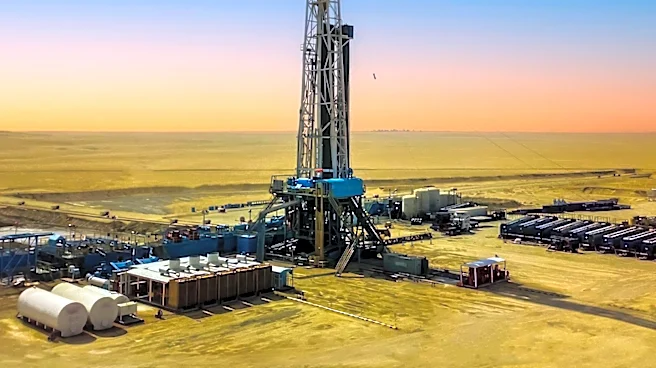
to Nick Coltura, Corporate Communications Manager at Skyharbour, a 3,600-meter drilling program is currently underway at Getty East, with Denison Mines (NYSEAMERICAN:DNN) providing financial backing through a joint venture. This program is targeting high-priority areas, including Little Man and Middle Lake. In addition to the Getty East project, Skyharbour has planned over 15,000 meters of drilling across its Russell Lake Project. The company is also conducting more drilling at its 100%-owned Moore Lake Project. Skyharbour Resources operates as a uranium explorer and prospect generator, focusing on Saskatchewan’s Athabasca Basin. The company holds a substantial portfolio of uranium projects, including its flagship Russell Lake and Moore Lake assets, alongside numerous other properties that are being advanced through partnerships and joint ventures.
Why It's Important?
This intensified exploration by Skyharbour Resources is significant for several reasons. Firstly, it underscores the growing global interest in uranium as a critical energy source, particularly in the context of increasing demand for nuclear power as a clean energy alternative. The Athabasca Basin is renowned as one of the world's richest uranium districts, making successful exploration here potentially highly impactful for global supply. Secondly, the partner-funded drilling model, exemplified by the collaboration with Denison Mines, allows Skyharbour to expand its exploration footprint and accelerate discovery without solely relying on its own capital, thereby mitigating financial risk. This model is crucial for junior exploration companies. Thirdly, successful discoveries in these high-priority targets could lead to new uranium mines, which would have substantial economic benefits for Saskatchewan through job creation, investment, and royalties. For the broader energy market, new uranium supplies could help stabilize prices and ensure the long-term viability of nuclear energy projects worldwide.
What's Next?
The immediate next steps for Skyharbour Resources involve the continued execution of the ongoing 3,600-meter drilling program at Getty East and the planned 15,000+ meters at the Russell Lake Project, as well as further drilling at Moore Lake. The company will be analyzing drill core samples for uranium mineralization, with assay results expected to be released periodically. Positive results could lead to follow-up drilling campaigns to delineate the extent and grade of any discoveries. Depending on the success of these programs, Skyharbour may look to further expand its partnerships or seek additional financing to advance promising prospects towards resource definition and potential development. The company's strategy of being a prospect generator means that successful early-stage exploration could attract larger mining companies interested in joint ventures or acquisitions, providing significant returns for Skyharbour and its shareholders. The broader uranium market will be closely watching these developments for signs of new significant discoveries.
Beyond the Headlines
Beyond the immediate exploration activities, Skyharbour's aggressive strategy reflects a broader trend in the energy sector: the resurgence of nuclear power. As nations worldwide commit to decarbonization goals, nuclear energy is increasingly viewed as a reliable, carbon-free baseload power source. This renewed interest drives demand for uranium, making exploration in prolific regions like the Athabasca Basin strategically vital. The ethical implications revolve around responsible resource extraction, ensuring environmental protection and engagement with Indigenous communities in the region. Legally, exploration and potential mining operations are subject to stringent environmental regulations and permitting processes. Culturally, the development of new mines can bring both economic opportunities and potential impacts on traditional lands and ways of life, necessitating careful consultation and benefit-sharing agreements. The long-term shift could see Canada solidify its position as a leading global supplier of uranium, influencing international energy security and the transition to a low-carbon economy.