




What's Happening?
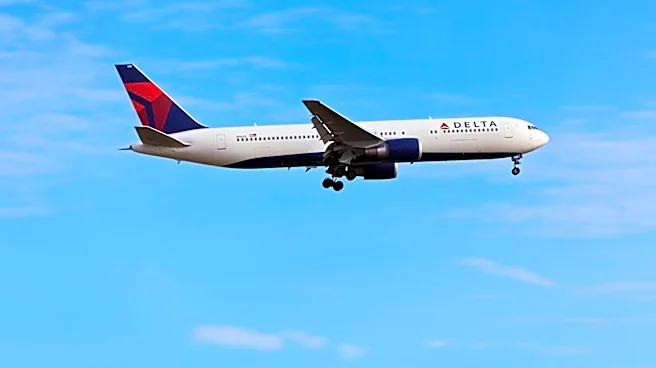
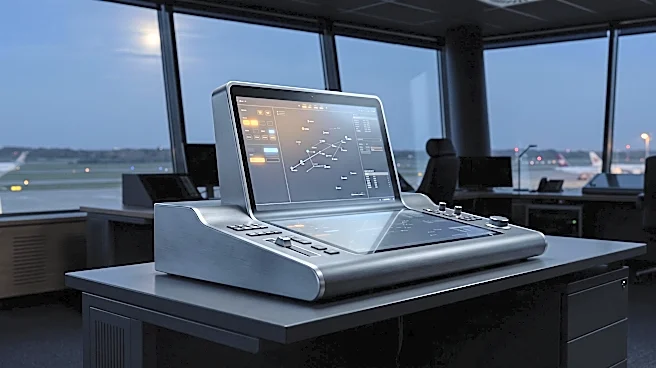
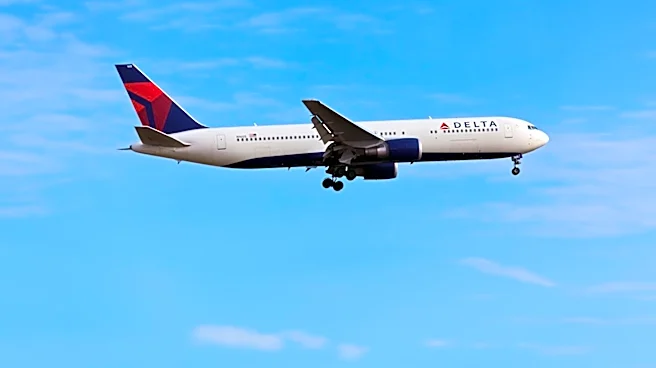
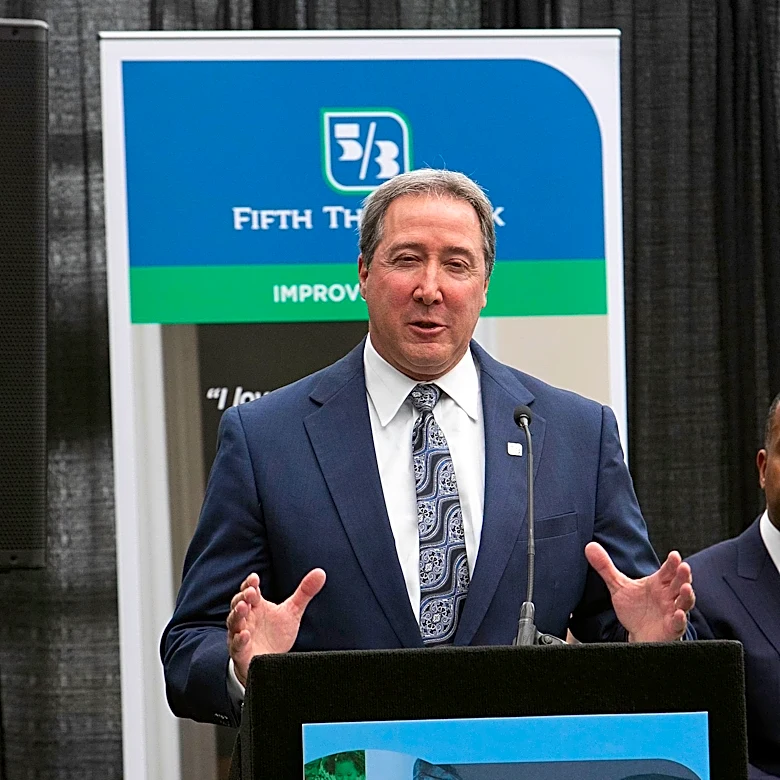
Delta CEO Ed Bastian has voiced strong criticism regarding the current state of the Federal Aviation Administration's (FAA) air traffic control system, stating that it now takes longer to fly from Atlanta (ATL) to LaGuardia (LGA) than it did in the 1950s.
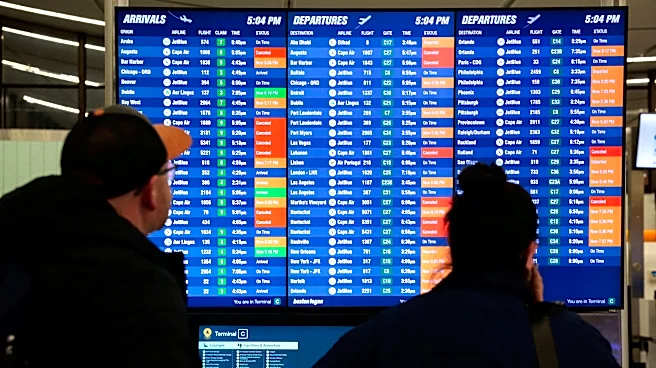
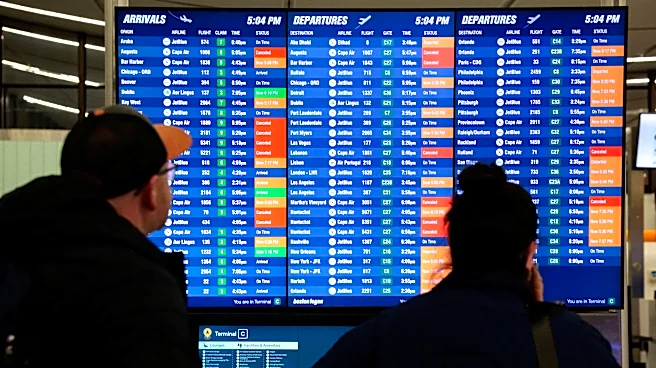
Speaking at the Fortune 500 Innovation Forum, Bastian described this situation as "absurd." His comments follow a nationwide grounding of flights by the FAA last week, which brought the congested air traffic control system into sharp focus. Bastian emphasized that modernizing the system would not only improve efficiency but also lead to lower ticket prices by allowing airlines to add more flights. He lamented the lack of investment in air traffic control infrastructure, noting that even $50 billion for skies is difficult to secure when trillions are being diverted to data-center buildouts. Despite advanced aircraft, Bastian believes the system they operate within has not kept pace.
Why It's Important?
Bastian's remarks highlight a critical issue affecting the U.S. airline industry and the broader economy: outdated infrastructure. The inefficiency of the FAA's air traffic control system directly impacts airline operational costs, flight delays, and ultimately, consumer prices. If flights take longer, airlines burn more fuel and incur higher labor costs, which are then passed on to passengers. This situation also limits the capacity for airlines to expand services, hindering economic growth and connectivity. The comparison to 1950s flight times underscores a perceived stagnation in a vital sector, contrasting sharply with advancements in other technological fields. For consumers, this means higher airfares and increased travel times, while for businesses, it represents a bottleneck in logistics and travel efficiency.
What's Next?
The immediate aftermath of Bastian's comments will likely involve continued pressure on the FAA and Congress to address the modernization of the air traffic control system. While no specific legislative actions were mentioned, the public discourse generated by a major airline CEO could spur renewed calls for investment. Airlines, including Delta, will continue to navigate the challenges posed by the current system, potentially exploring operational adjustments to mitigate delays and costs. The ongoing debate about infrastructure spending, particularly in light of significant investments in other sectors like data centers, will likely intensify. The FAA may also face increased scrutiny to present a clear roadmap for system upgrades and funding requirements.
Beyond the Headlines
Bastian's critique extends beyond mere operational efficiency; it touches upon a broader national challenge concerning infrastructure investment priorities. The diversion of trillions to data centers while critical public infrastructure like air traffic control struggles for $50 billion raises questions about long-term economic planning and societal benefit. This situation also highlights the tension between rapid technological advancement in private sectors and the slower pace of public infrastructure development. Furthermore, Bastian's emphasis on human support over AI during crises, despite Delta's own technological advancements, suggests a nuanced view on the role of technology in customer service, particularly in high-stress environments. This perspective could influence future strategies for integrating AI in service industries, balancing efficiency with the need for human interaction.