








What's Happening?
Biogen presented new data at the Alzheimer's Association International Conference in London, showcasing its anti-tau candidate diranersen, developed in partnership with Ionis Pharmaceuticals. Although the Phase 2 trial did not meet its dose-related endpoint,
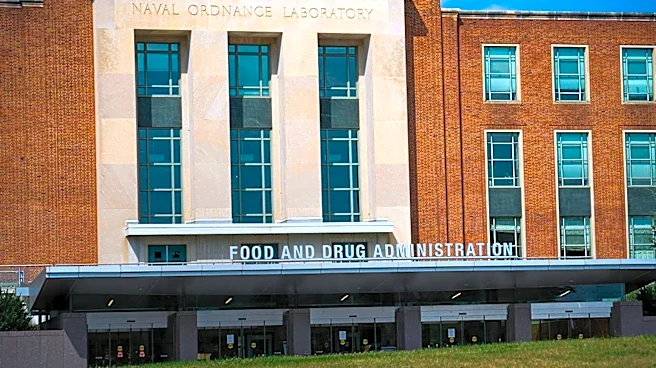
it demonstrated significant reductions in tau levels in cerebrospinal fluid and brain pathology. Additionally, Biogen announced FDA approval for a subcutaneous formulation of Leqembi, an anti-amyloid antibody, allowing for home administration. In the psychedelics sector, Compass Pathways reported positive results for its psilocybin-based treatment for depression, while the FDA issued guidance supporting psychedelic drug development.
Why It's Important?
Biogen's advancements in Alzheimer's treatment highlight the potential of targeting tau proteins, a key factor in the disease's progression. The ability to administer Leqembi at home could improve patient compliance and accessibility. The positive developments in the psychedelics field indicate growing acceptance and potential for these treatments in mental health care. However, the failure of Ionis and AstraZeneca's antisense therapeutic in a Phase 3 trial for transthyretin amyloid cardiomyopathy underscores the challenges in drug development and the need for continued innovation.
What's Next?
Biogen will likely continue to refine its anti-tau approach and explore further clinical trials to validate its efficacy. The approval of Leqembi's subcutaneous formulation may lead to broader adoption and integration into treatment regimens. In the psychedelics space, Compass Pathways will proceed with its rolling submission for regulatory approval, potentially paving the way for new depression treatments. The failure in the ATTR-CM space may prompt a reevaluation of strategies and collaborations among biotech companies.
Beyond the Headlines
The developments in Alzheimer's and psychedelics research reflect broader trends in the pharmaceutical industry towards personalized and home-based care. The shift towards targeting specific disease mechanisms, such as tau proteins, represents a move away from traditional approaches. The increasing acceptance of psychedelics in clinical settings could lead to a paradigm shift in mental health treatment, challenging existing regulatory and ethical frameworks. These advancements underscore the importance of balancing innovation with patient safety and access.