
What's Happening?
Family holidays are undergoing a significant transformation, with a growing emphasis on experiences that foster reconnection and meaningful memories, moving away from overly scheduled itineraries. The
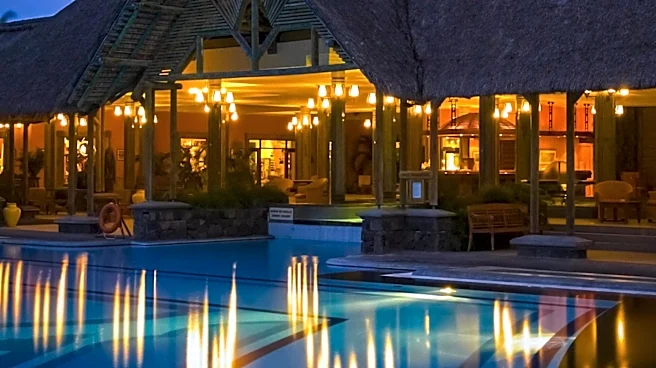
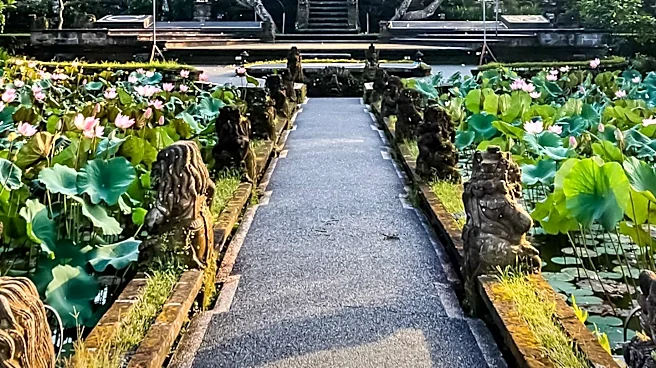
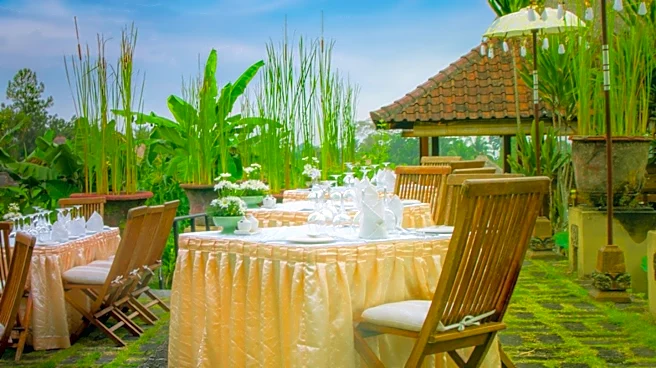
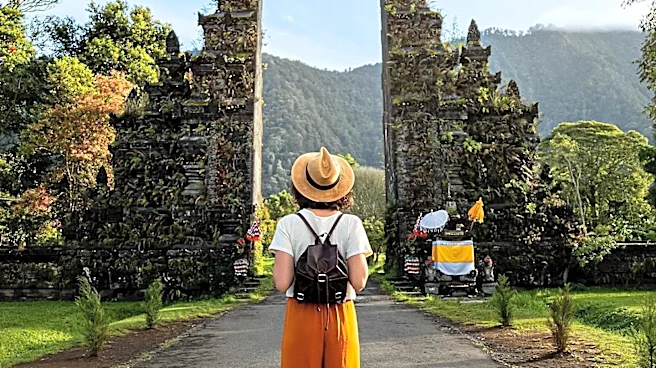
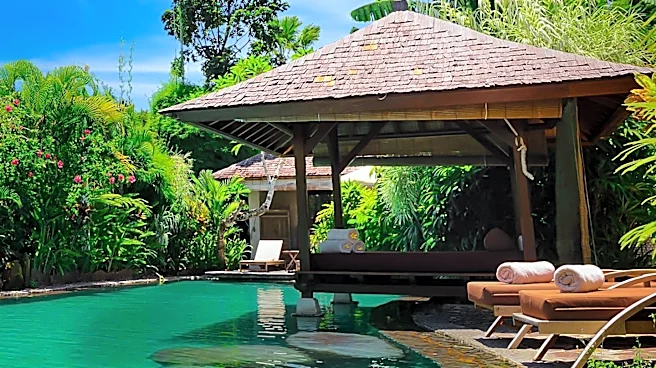
Westin Resort & Spa Ubud, Bali, is at the forefront of this trend, offering a travel approach that aligns with Ubud's natural environment, rich cultural traditions, and slower pace of life. The resort provides young guests with opportunities to explore 'The Farm,' interact with animals, learn about tropical herbs and fruits, and engage in hands-on activities. Dining at Tabia Restaurant features a farm-to-table experience, utilizing fresh herbs from 'The Farm' and ingredients from local farmers. Parents can maintain their wellness routines through activities like RunWESTIN, yoga, cycling, and aqua aerobics, while children participate in creative, educational, and outdoor adventures via the Westin Family Kids Club and curated programs. The resort also encourages families to explore Ubud's attractions, such as the Sacred Monkey Forest Sanctuary and local art markets.
Why It's Important?
This shift in family travel preferences reflects a broader societal trend towards valuing authentic experiences and well-being over mere consumption or packed schedules. For the hospitality industry, particularly luxury resorts like The Westin Resort & Spa Ubud, Bali, adapting to these evolving demands is crucial for sustained relevance and market share. By focusing on immersive cultural experiences, nature-based learning, and wellness programs for all ages, resorts can attract families seeking more profound and enriching getaways. This approach not only enhances guest satisfaction but also promotes local economies through sourcing ingredients from local farmers and encouraging visits to local attractions. The emphasis on 'doing less and experiencing more' could set a new standard for family tourism, influencing how travel packages are designed and marketed globally, including for U.S. travelers seeking international family destinations.
What's Next?
As this trend gains momentum, other resorts and travel providers are likely to follow suit, integrating more experiential and wellness-focused offerings into their family packages. The Westin Resort & Spa Ubud, Bali, is already offering an 'Ubud Family Staycation Package' that includes complimentary stays for children, daily breakfast, and children's meals, along with airport transfers for longer stays. This type of curated offering is expected to become more common, with an increased focus on value-added services that cater to the desire for connection and discovery. Future developments may include more partnerships with local communities for cultural immersion, expanded educational programs for children, and personalized wellness itineraries for families. The success of these models could influence U.S. domestic travel as well, with a potential rise in demand for similar experiential family vacations within the United States.
Beyond the Headlines
The evolving nature of family travel points to a deeper cultural shift where parents are prioritizing quality time and shared learning experiences over passive entertainment. This trend has ethical implications, as it encourages more sustainable and responsible tourism practices by connecting travelers with local environments and cultures. It also highlights the growing importance of mental and physical well-being in travel, moving beyond mere relaxation to active engagement and personal growth. For children, these types of holidays can foster a greater appreciation for nature, cultural diversity, and hands-on learning, potentially shaping their worldview and future travel choices. The emphasis on 'doing less' also challenges the consumerist mindset often associated with vacations, promoting a more mindful and intentional approach to leisure and family bonding.