


What's Happening?
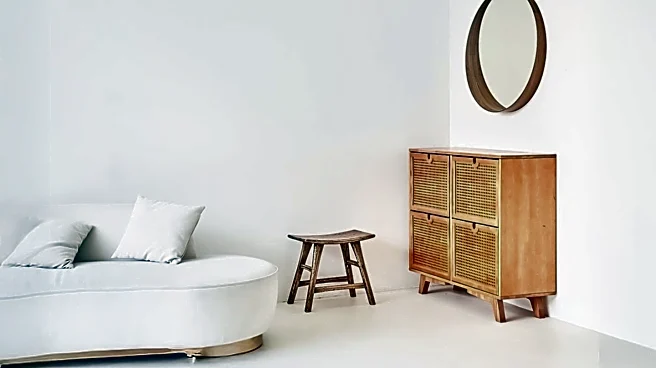
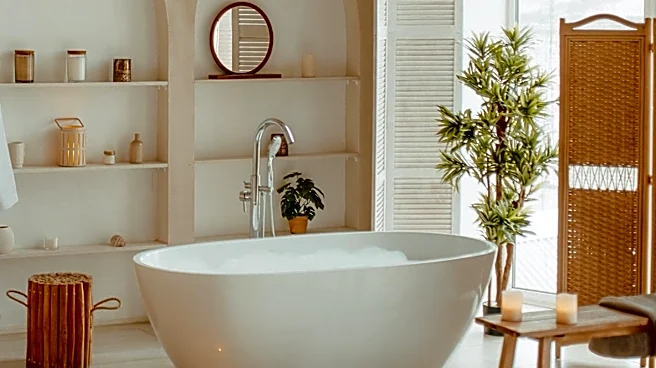
Hello Lovely Living provides guidance on converting a spare room into a calming wellness retreat, emphasizing that a large budget or full renovation is not necessary. The core principle is to define a clear purpose for the room, such as meditation, journaling,
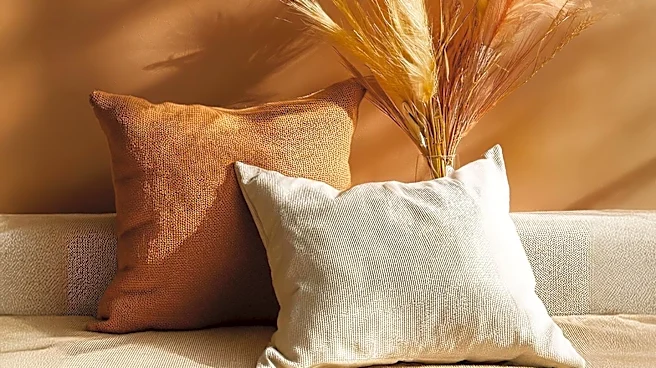
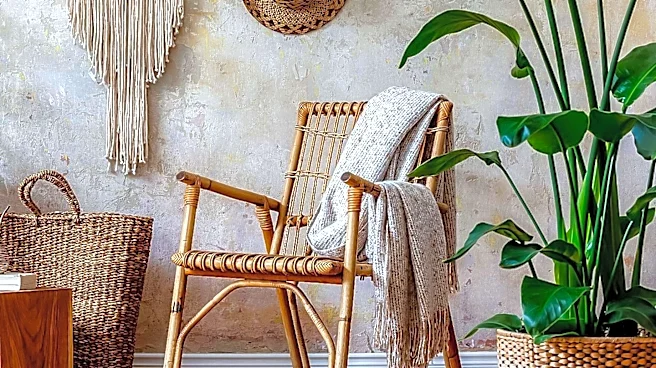
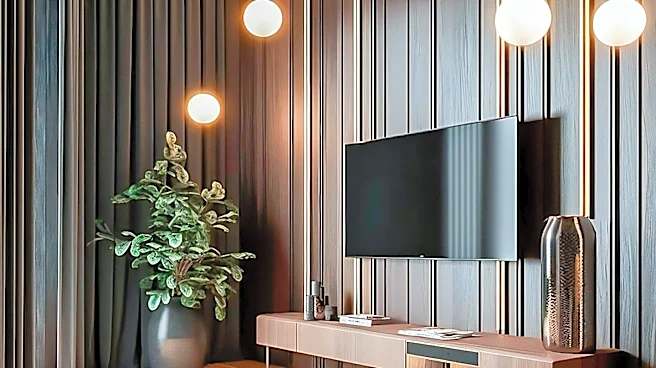
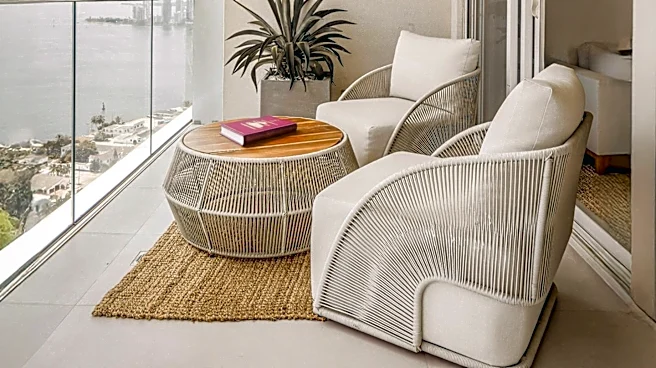
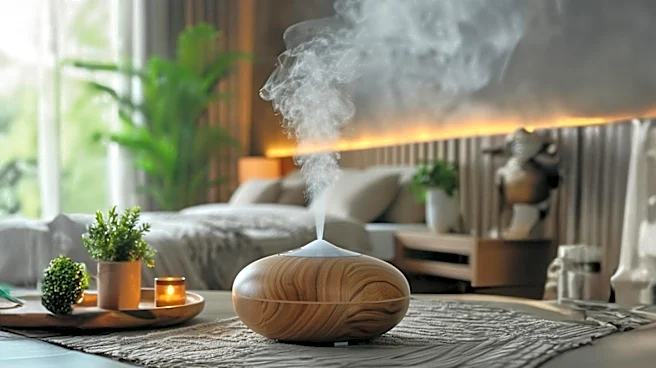
quiet reading, gentle stretching, or restorative body care, and then remove any items that do not support this purpose. The article suggests starting with a clutter-free layout and planning furniture placement carefully, especially for larger items like massage chairs, to maintain an open and functional space. Key elements for creating a soothing atmosphere include warm, dimmable lighting, soft textures from natural materials like washable rugs and cotton throws, subtle fragrances from diffusers, and managing outside noise with background sounds or sound-absorbing furnishings. Incorporating a single, pet-safe plant can also enhance the room's grounded feel.
Why It's Important?
This advice is significant for individuals seeking to improve their mental and physical well-being by creating dedicated personal spaces within their homes. In an increasingly stressful world, having a designated area for relaxation and self-care can contribute to better stress management, improved focus, and overall enhanced quality of life. The emphasis on intentional design and decluttering promotes mindful living, which can reduce anxiety and foster a sense of peace. For the home decor and wellness industries, this trend highlights a demand for products that support these calming environments, such as specific lighting solutions, natural textiles, sound machines, and aromatherapy diffusers. It also encourages a more thoughtful approach to interior design, where functionality and emotional impact are prioritized over mere aesthetics, benefiting consumers by offering practical, actionable steps to create a personal sanctuary.
What's Next?
As the focus on personal wellness continues to grow, more resources and products tailored to creating home wellness retreats are likely to emerge. This could include specialized furniture designed for meditation or stretching, integrated smart home systems for controlling ambiance, and curated collections of decor items that promote tranquility. Interior designers may increasingly offer services specifically focused on wellness room creation, incorporating principles of biophilic design and sensory integration. Educational content, such as workshops or online courses, on how to design and maintain these spaces could also become more prevalent. Furthermore, the market for sustainable and ethically sourced natural materials will likely expand, aligning with the wellness-conscious consumer's values.
Beyond the Headlines
The movement to transform spare rooms into wellness retreats reflects a deeper societal recognition of the importance of personal space and mental health. It challenges the traditional view of homes as purely functional or social spaces, advocating for them to also serve as havens for introspection and rejuvenation. This trend could lead to a re-evaluation of residential architecture and urban planning, with greater emphasis on incorporating elements that support well-being, such as quiet zones, natural light, and green spaces. It also underscores a growing desire for control over one's immediate environment as a means of coping with external pressures. The act of intentionally curating a space for self-care can be seen as a form of empowerment, encouraging individuals to actively shape their surroundings to better support their emotional and physical needs.