




What's Happening?
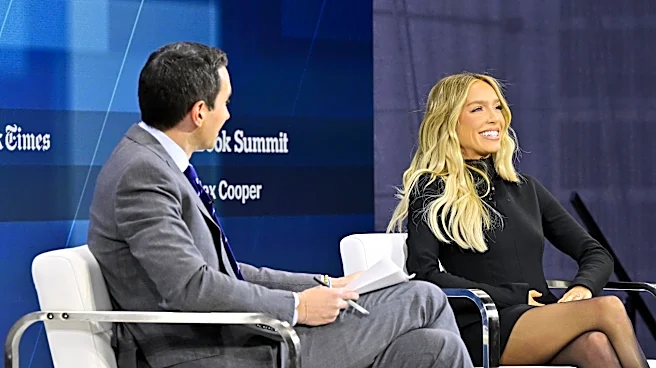
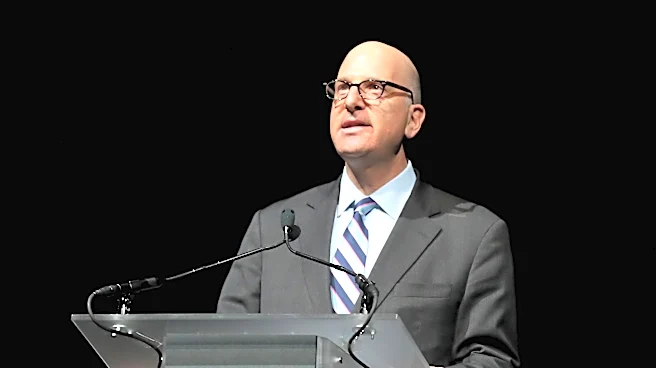
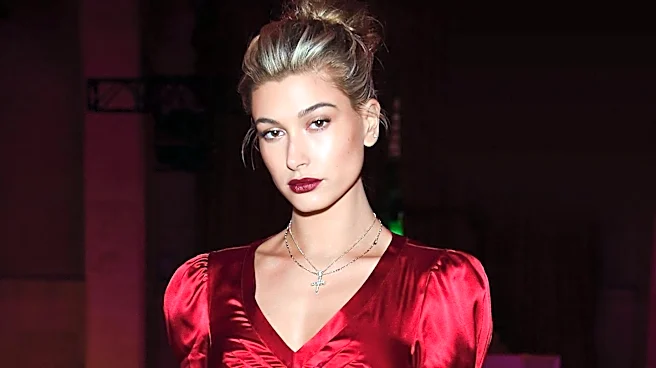
An interview conducted by financial journalist Andrew Ross Sorkin with Hailey Bieber at The New York Times DealBook Summit has drawn significant commentary, largely critical of Bieber's preparedness. The discussion centered on Bieber's brand, Rhode Cosmetics,
and its valuation. Critics argue that Bieber failed to articulate key business details, such as what differentiates Rhode, its valuation justification, or its impact on Elf, the acquiring company. This perceived lack of understanding led to a missed opportunity for Rhode Cosmetics to effectively communicate its value to a business-oriented audience. The incident has been described as a significant failure on the part of Rhode Cosmetics' communications team for not adequately preparing Bieber for an interview with a well-known financial journalist like Sorkin, who is recognized for his consistent and in-depth interview style. The expectation was that Bieber, as the face of a brand with a reported $1 billion exit, should have been able to discuss the financial and strategic aspects of her business.
Why It's Important?
This event highlights critical lessons for business professionals and public relations teams, particularly in the context of high-profile business forums. The New York Times DealBook Summit is a platform for serious financial discourse, and participants are expected to demonstrate a deep understanding of their ventures. The perceived failure to meet this expectation can damage a brand's credibility and public perception, especially when a significant valuation is involved. For Rhode Cosmetics, this could translate into skepticism from potential investors or a diminished perception of its leadership's business acumen. It also underscores the importance of media training and audience awareness for individuals representing companies, particularly in financial settings. The incident serves as a case study on how inadequate preparation can turn a potential public relations success into a widely criticized misstep, impacting brand image and stakeholder confidence.
What's Next?
In the immediate aftermath, Rhode Cosmetics and its parent company, Elf, may face increased scrutiny regarding their business strategies and public communication efforts. The incident could prompt a re-evaluation of their media training protocols and public appearance strategies for key figures. Other companies and public relations firms might use this event as a cautionary tale, reinforcing the necessity of thorough preparation for high-stakes interviews, especially those with financial journalists. Future appearances by Hailey Bieber or other celebrity entrepreneurs at similar business summits will likely be watched more closely for their depth of business understanding. The broader business community may also emphasize the importance of substance over celebrity in financial discussions, pushing for more detailed and informed presentations from company representatives.
Beyond the Headlines
Beyond the immediate criticism, this event touches upon broader themes concerning the intersection of celebrity, entrepreneurship, and financial credibility. It raises questions about the expectations placed on celebrity founders in the business world and whether their public personas sometimes overshadow the need for genuine business acumen. The incident also highlights a potential disconnect between marketing narratives, which often emphasize authenticity and brand story, and the rigorous financial scrutiny applied in forums like the DealBook Summit. It could spark discussions about the role of communications teams in bridging this gap and ensuring that brand representatives are equipped to articulate both the emotional and financial value of their enterprises. Ultimately, it underscores the evolving landscape where public figures venturing into business are increasingly held to the same standards as traditional business leaders.