




What's Happening?
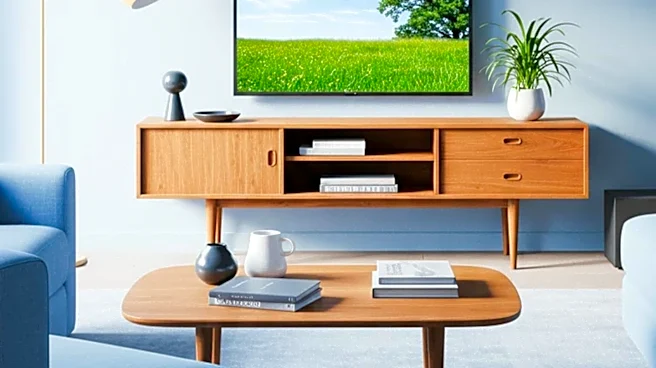
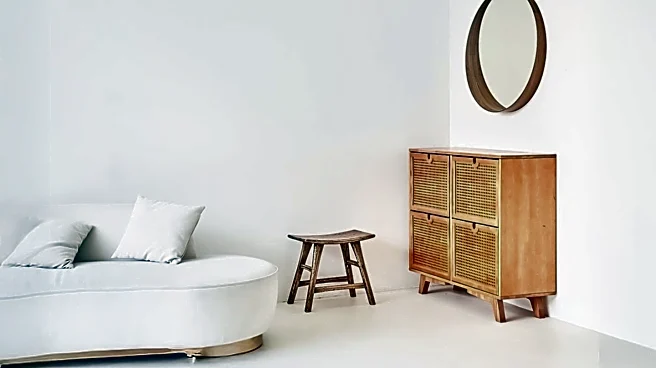
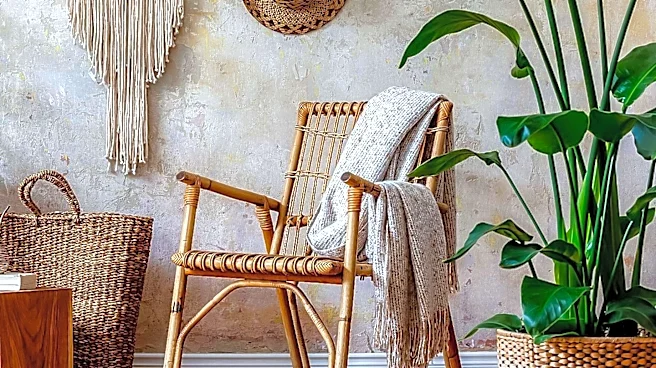
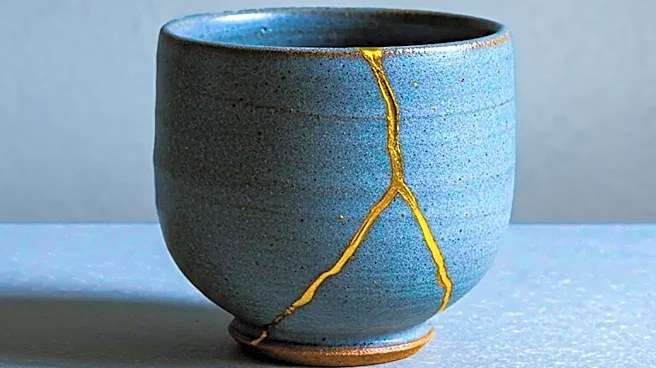
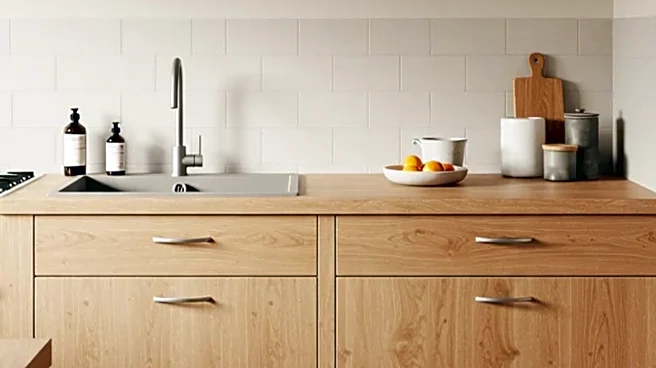
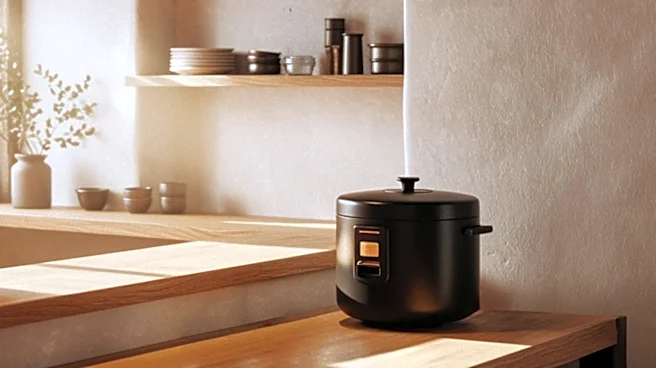
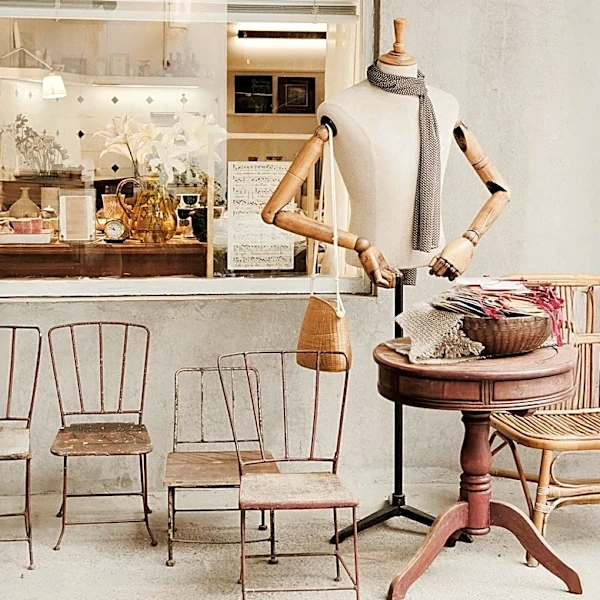
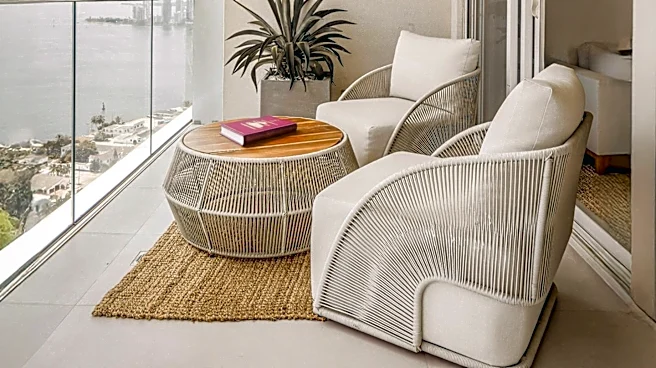
Wabi-sabi, a Japanese philosophy, is gaining prominence in design, emphasizing the aesthetic value found in imperfect, impermanent, and simple objects. This style celebrates natural and slightly imperfect elements, such as irregular edges, hand-carved
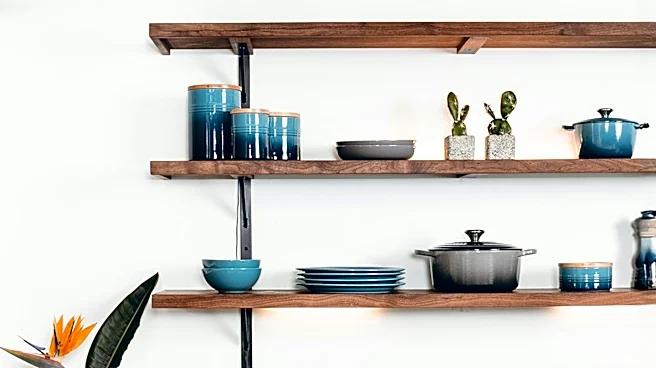
surfaces, and organic curves. Unlike designs that strive for pristine perfection, wabi-sabi furniture and decor are intended to age gracefully and gather character over time. The philosophy is rooted in finding beauty in the quiet passage of time and the inherent imperfections of natural materials. This approach contrasts with more structured design styles like Japandi, which combines Japanese and Scandinavian minimalism with clean lines and functional pieces, though both styles can be blended effectively by using Japandi for structural elements and wabi-sabi for focal points.
Why It's Important?
The growing interest in wabi-sabi reflects a broader cultural shift towards valuing authenticity, sustainability, and a more grounded approach to living. In a consumer-driven society often focused on newness and flawless appearances, wabi-sabi offers an alternative perspective that encourages appreciation for the unique story and natural evolution of objects. This philosophy can influence American design trends, promoting the use of natural materials, handcrafted items, and a less disposable mindset. For consumers, it offers a way to create calming, soulful living spaces that feel less sterile and more connected to nature. Businesses in the furniture, decor, and art industries may find opportunities in producing and marketing items that embody wabi-sabi principles, catering to a market segment seeking depth and character over superficial perfection.
What's Next?
As the wabi-sabi aesthetic continues to gain traction, expect to see more designers and retailers incorporating its principles into their collections. This could manifest in an increased availability of furniture with organic shapes, textured surfaces, and visible wood grain. Wallpapers and art pieces embracing imperfection, muted color palettes, and natural motifs are also likely to become more common. Consumers may increasingly seek out items that tell a story or show signs of age, moving away from mass-produced, uniform goods. Educational content and workshops on integrating wabi-sabi into home design might also proliferate, further popularizing the philosophy and its practical applications in creating serene and authentic living environments.
Beyond the Headlines
The embrace of wabi-sabi extends beyond mere aesthetics; it represents a philosophical counter-movement to the relentless pursuit of perfection and newness in modern life. It encourages a deeper appreciation for the transient nature of existence and the beauty found in natural processes of decay and change. This could have profound implications for mental well-being, fostering a sense of acceptance and contentment with imperfection in both our surroundings and ourselves. Legally and ethically, it might encourage more sustainable production practices, as the value placed on natural materials and longevity could reduce demand for fast-produced, short-lived goods. Culturally, it could lead to a re-evaluation of what constitutes 'beauty' and 'value,' shifting focus from external polish to intrinsic character and history.