



What's Happening?
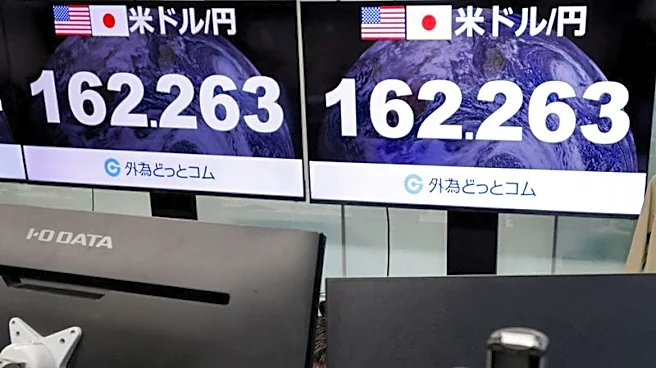
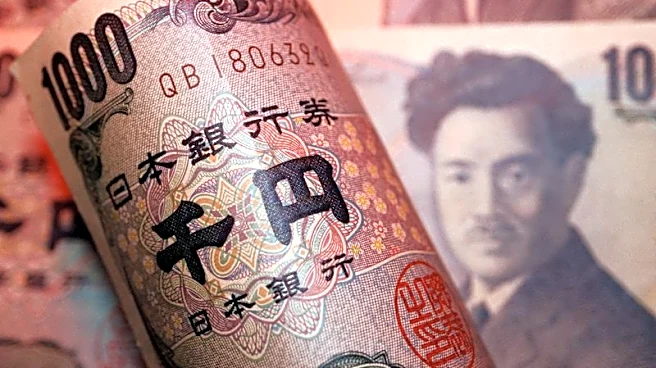
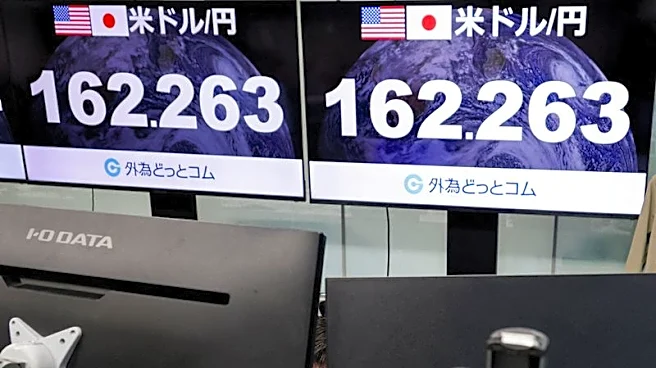
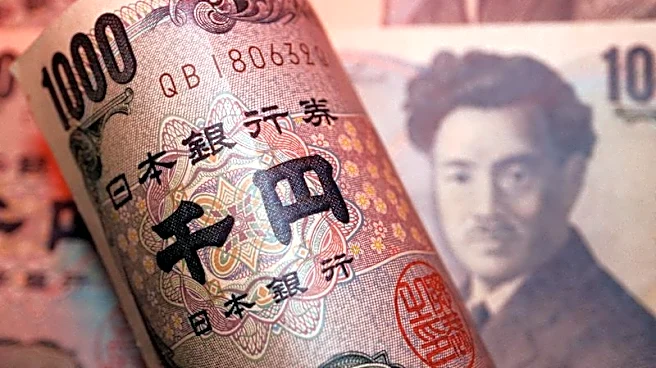
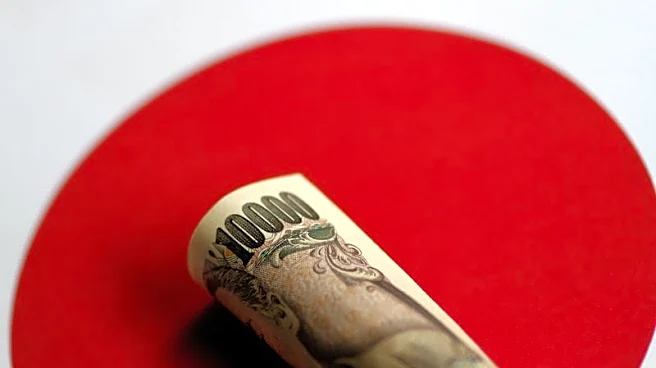
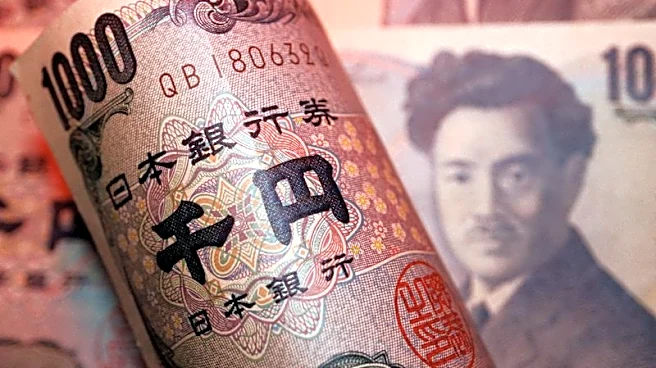
The U.S. Treasury has informed banks of a potential intervention in the Japanese yen market, following recent actions by Japanese authorities to support the yen. This notice, communicated through the Federal Reserve Bank of New York, comes as the yen experiences
significant volatility, having recently hit four-decade lows against the dollar. Treasury Secretary Scott Bessent commented on the yen's undervaluation and the importance of stabilizing the currency. The last U.S. intervention in the yen market occurred in 2011, in coordination with G7 countries, following a natural disaster in Japan.
Why It's Important?
Currency stability is crucial for international trade and economic relations. The potential U.S. intervention in the yen market underscores the interconnectedness of global economies and the impact of currency fluctuations on trade balances and economic stability. A stable yen is vital for Japan's economic health and can influence U.S.-Japan trade relations. The U.S. Treasury's readiness to intervene highlights the importance of maintaining stable exchange rates to prevent economic disruptions and support global economic growth.
What's Next?
The U.S. Treasury's potential intervention could lead to coordinated actions with Japanese authorities to stabilize the yen. Such interventions may involve currency swaps or direct market actions to influence exchange rates. The situation will be closely monitored by financial markets, and any intervention could have significant implications for currency traders and international economic relations. The upcoming G20 finance ministers meeting may provide a platform for further discussions on currency stability and economic cooperation.