






What's Happening?
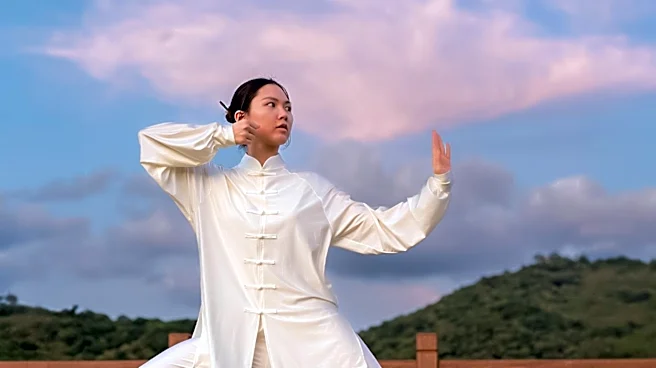
A new review of research published in the British Journal of Sports Medicine indicates that regular Tai Chi practice can improve bone density markers in individuals with osteopenia or osteoporosis. Tai Chi, an ancient Chinese exercise, focuses on gentle,
flowing movements that connect the mind and body, often described as 'moving meditation.' The practice combines controlled, rhythmic breathing with dance-like movements such as arm circling, swinging, and waist twisting. According to Tai Chi and Qigong teacher Paul Brighton, these arts effectively train balance, posture, coordination, relaxed strength, and calm breathing in a gentle yet structured manner. Weight-bearing Tai Chi, specifically, uses controlled loading through the legs and improved alignment to support healthier movement patterns over time. Beyond bone health, participants commonly report improvements in balance, stability, leg strength, functional mobility, joint comfort, range of movement, stress regulation, and sleep quality. A beginner-friendly 15-minute routine includes settling and breathing, a Qigong warm-up ('Willow tree twist'), Tai Chi foundations (weight shifting), a simple Tai Chi flow ('Wave hands like clouds'), and a closing grounding exercise.
Why It's Important?
The findings are significant for public health, particularly for the aging population in the U.S., where osteopenia and osteoporosis are prevalent conditions that can lead to fractures, frailty, and accelerated age-related decline. While weightlifting is often emphasized for bone health, this research highlights Tai Chi as a low-impact, accessible alternative or complementary practice. Its gentle nature makes it suitable for individuals who may find high-impact exercises challenging. The broader benefits, including improved balance and stability, can reduce the risk of falls, a major concern for older adults. Furthermore, Tai Chi's positive impact on stress regulation and sleep quality addresses common health issues, contributing to overall well-being. This could lead to increased adoption of Tai Chi programs in community centers, healthcare settings, and fitness facilities, offering a holistic approach to physical and mental health maintenance.
What's Next?
Given the growing evidence of Tai Chi's benefits, there may be an increased focus on integrating such practices into preventative healthcare strategies. Healthcare providers might begin recommending Tai Chi more frequently to patients at risk of bone density loss or those seeking gentle exercise options. Fitness and wellness industries could see a surge in demand for qualified Tai Chi instructors and specialized programs tailored for different age groups and health conditions. Further research may explore the optimal frequency and duration of Tai Chi practice for specific health outcomes, as well as its cost-effectiveness compared to other interventions. Public health campaigns could also promote Tai Chi as a viable option for improving physical and mental health, potentially leading to wider accessibility and participation across various communities.
Beyond the Headlines
The resurgence of interest in ancient practices like Tai Chi reflects a broader societal shift towards holistic health and wellness, moving beyond purely pharmaceutical or high-intensity physical interventions. This trend emphasizes the interconnectedness of mind and body, recognizing that mental well-being significantly impacts physical health. The low-impact nature of Tai Chi also promotes inclusivity, allowing individuals with varying physical capabilities to participate and benefit. Ethically, promoting accessible and affordable practices like Tai Chi can help address health disparities, as it requires minimal equipment and can be practiced in diverse settings. Culturally, it represents an appreciation for traditional wisdom and its application in modern health contexts, fostering a more diverse approach to health management and disease prevention.