








What's Happening?
Agriculture keynote speakers are increasingly focusing on the integration of technology and sustainability in modern farming practices. These experts, who are often business strategists and futurists, are addressing the trends, technologies, and challenges
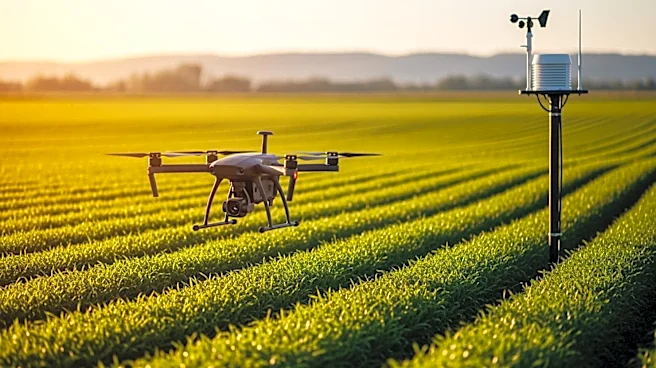
that shape the agribusiness sector. Key topics include precision agriculture, which utilizes GPS guidance systems, drones, sensors, artificial intelligence, and data analytics to enhance decision-making, increase yields, and reduce costs. Sustainability is another major focus, with discussions on regenerative processes, soil health, water conservation, carbon management, and renewable energy adoption. These discussions aim to help agricultural businesses balance profitability with long-term stewardship of natural resources. Additionally, market trends and global food demand are analyzed to help producers remain competitive. Workforce development, including labor shortages and leadership development, is also a critical area of discussion.
Why It's Important?
The emphasis on technology and sustainability in agriculture is crucial for the future of food production. As the global population continues to grow, the demand for food increases, necessitating more efficient and sustainable farming practices. The integration of advanced technologies like artificial intelligence and data analytics can significantly improve productivity and resource management. Moreover, sustainable practices ensure the long-term viability of agricultural resources, which is essential for food security. By addressing workforce development, the industry can better manage generational transitions and labor shortages, ensuring a skilled workforce for the future. These discussions are vital for helping agribusinesses adapt to changing market conditions and environmental challenges, ultimately supporting economic stability and growth in the agricultural sector.
What's Next?
As the agricultural sector continues to evolve, the adoption of new technologies and sustainable practices is expected to increase. Stakeholders, including farmers, policymakers, and agribusiness executives, will likely focus on implementing these innovations to enhance productivity and sustainability. Future discussions may delve deeper into the role of biotechnology, automation, and digital farm management tools in transforming agriculture. Additionally, there may be increased collaboration between industry leaders and government agencies to develop policies that support sustainable farming practices and technological advancements. The ongoing dialogue around workforce development will also be crucial in ensuring that the agricultural sector has the necessary skills and leadership to navigate future challenges.
Beyond the Headlines
The shift towards technology-driven and sustainable agriculture has broader implications beyond immediate productivity gains. Ethically, it addresses concerns about environmental degradation and resource depletion, promoting a more responsible approach to food production. Legally, it may lead to new regulations and standards for sustainable practices and technology use in farming. Culturally, this transformation could change perceptions of agriculture, highlighting its role in addressing global challenges like climate change and food security. Long-term, these developments could lead to a more resilient agricultural sector capable of withstanding economic and environmental pressures, ultimately contributing to global stability and prosperity.