

What's Happening?
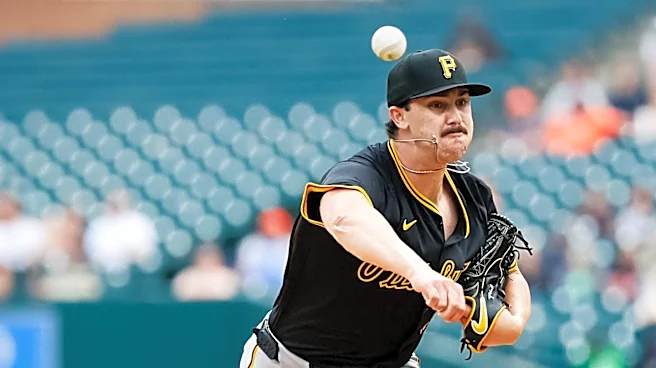
Pittsburgh Pirates ace Paul Skenes, a former No. 1 draft pick, is experiencing command issues, particularly with walks, in his recent Major League starts. Following a 65-pitch outing in Miami, Skenes was given seven days of rest before his next start against
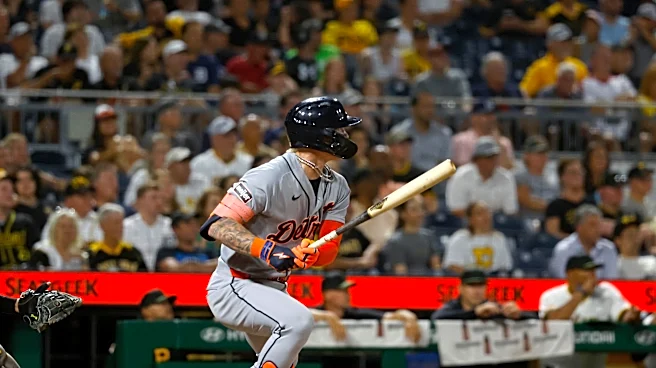
the Tigers at PNC Park. Despite the extended rest, Skenes allowed three earned runs on four hits and four walks over 4 1/3 innings, throwing 81 pitches. The Pirates were trailing 2-1 when Skenes exited the game, which they ultimately won 4-3 in a walk-off. This marks the first time Skenes has thrown fewer than 85 pitches in consecutive outings since his first two starts of the season, and he has walked four batters in three of his last four games. Manager Don Kelly indicated that Skenes was not pushed beyond 85 pitches due to his previous short outing and the recent rest period.
Why It's Important?
The performance of top prospects like Paul Skenes is crucial for the long-term success and competitiveness of MLB teams such as the Pittsburgh Pirates. Skenes's struggles with command, particularly the increase in walks, could impact the team's pitching rotation stability and overall game outcomes. While the Pirates managed to secure a win in this particular game, consistent command issues from a key starter can lead to higher pitch counts, earlier exits from games, and increased strain on the bullpen. For the organization, ensuring Skenes regains his command is vital for his development and for the team's aspirations to contend in their division. The situation also highlights the challenges young pitchers face in adapting to the Major League level, even those with significant talent and high draft status.
What's Next?
Paul Skenes and the Pittsburgh Pirates will likely continue to monitor his command closely in upcoming starts. Skenes himself stated that he is not concerned, believing he hasn't changed anything and needs to focus on execution and objective numbers rather than external 'noise.' The coaching staff will need to determine if adjustments to his mechanics, pitch selection, or mental approach are necessary to help him reduce walks and improve efficiency. Future outings will reveal whether this period is a temporary blip or a more persistent challenge for the young pitcher. The team's strategy for managing his workload and development will be critical as they navigate the remainder of the season.
Beyond the Headlines
The narrative surrounding Paul Skenes's recent struggles extends beyond individual performance, touching upon the immense pressure placed on highly touted prospects in professional sports. As a former No. 1 pick, Skenes faces heightened scrutiny, with every outing analyzed for signs of either continued dominance or potential setbacks. This situation underscores the psychological aspect of professional baseball, where players must learn to filter out external expectations and focus on their craft. The Pirates' handling of Skenes, including providing extra rest and managing his pitch count, reflects a broader organizational strategy to protect and develop their valuable assets, balancing immediate team needs with long-term player health and career longevity. This approach is common across MLB, as teams invest heavily in their top prospects and aim to maximize their potential over many seasons.