




What's Happening?
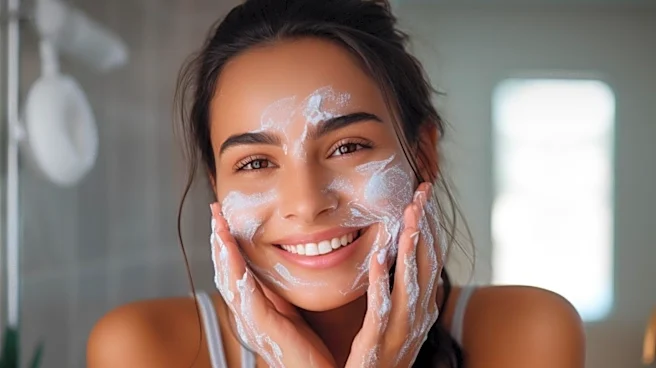
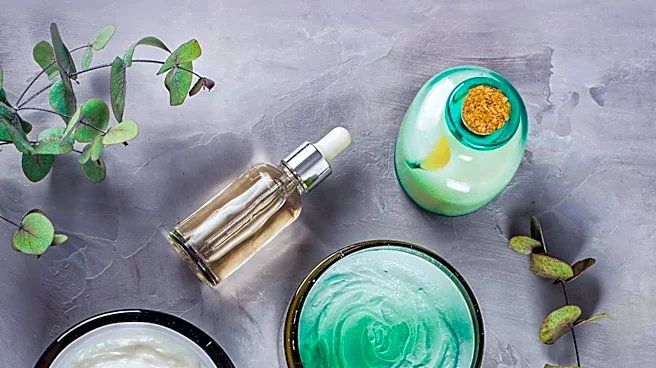
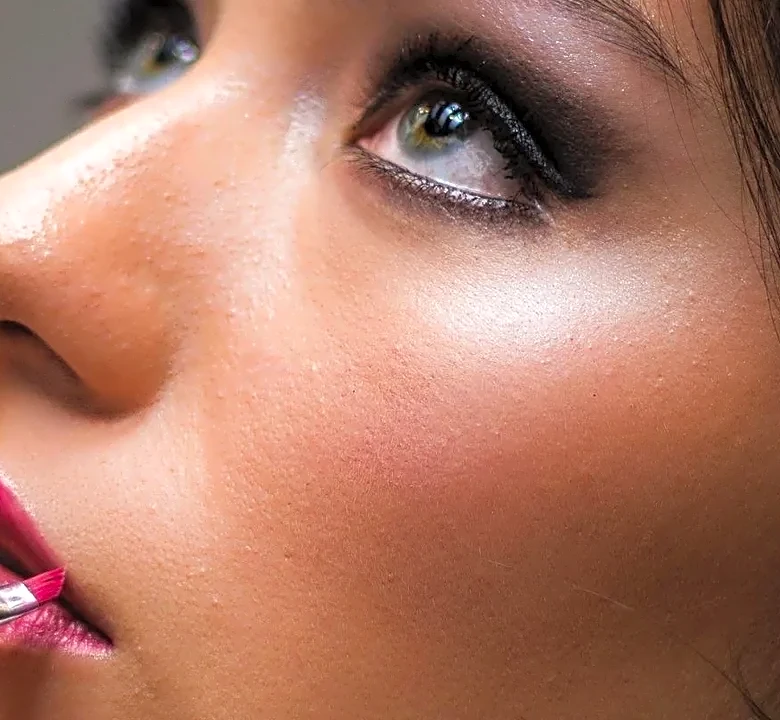
A new movement in the beauty industry, sensory skincare, is shifting the focus from solely results-driven products to those that engage the senses and provide an immersive experience. This approach emphasizes how skincare products feel during application,
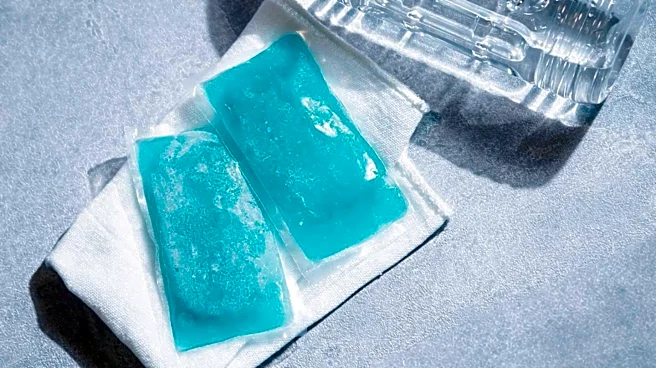
including their textures, scents, and temperatures. Research in psychodermatology suggests that the emotional experience of applying skincare can influence skin response, with stress reduction and tactile pleasure contributing to skin health. The movement draws heavily from global beauty traditions, particularly Korean beauty, which has popularized multi-step routines prioritizing texture layering, hydration, and the enjoyment of application, leading to the 'glass-skin' aesthetic. Japanese skincare also emphasizes gentle, sensory-rich formulas, while French pharmacy beauty focuses on minimalist, clean-feeling products. This trend encourages consumers to pay closer attention to how their skin feels at each step, fostering mindful application and potentially leading to better product choices and results.
Why It's Important?
This shift in skincare philosophy has significant implications for the U.S. beauty industry and consumers. For businesses, it means a greater emphasis on product formulation that considers not just active ingredients but also the sensory experience, potentially driving innovation in textures, scents, and application methods. Brands that prioritize sensory design from the outset are likely to gain a competitive edge, as consumers seek products that offer both efficacy and enjoyment. For consumers, this trend encourages a more mindful and personalized approach to skincare, moving away from the 'one-size-fits-all' mentality. By focusing on how products feel, individuals can better understand their skin's needs and build routines they are more likely to maintain consistently, which dermatologists confirm is crucial for achieving meaningful skincare results. This could lead to a more satisfying and effective skincare journey for many, reducing frustration from inconsistent routines or unsuitable products.
What's Next?
The U.S. beauty market is likely to see an increase in products explicitly marketed for their sensory qualities, with brands highlighting unique textures, calming scents, and transformative application experiences. Formulators will continue to innovate in creating products where texture and active ingredient delivery work in concert, optimizing for real-world skin interaction rather than just laboratory settings. Consumers can expect more educational content from brands and beauty influencers on mindful application techniques and how to curate a sensory-aware routine. This trend may also lead to a greater appreciation for global beauty traditions that have long incorporated sensory elements into their practices. Ultimately, the industry will likely continue to evolve towards a more holistic view of skincare, where well-being and the emotional connection to a routine are as valued as the visible results.
Beyond the Headlines
The rise of sensory skincare reflects a broader cultural shift towards mindfulness and well-being in daily routines. In a fast-paced world, consumers are increasingly seeking moments of calm and self-care, and skincare routines are becoming an avenue for this. This trend also highlights the growing influence of psychodermatology, underscoring the interconnectedness of mental and physical health, and how emotional experiences can impact physiological responses, including skin health. Ethically, it encourages brands to be more transparent about their formulations and to genuinely integrate sensory design rather than using it as a superficial marketing tactic. Culturally, it signifies a move away from purely aspirational beauty standards often promoted on social media, towards a more personal and intuitive understanding of beauty that prioritizes individual experience and satisfaction over external validation. This could foster a healthier relationship with beauty and self-care.