

What's Happening?
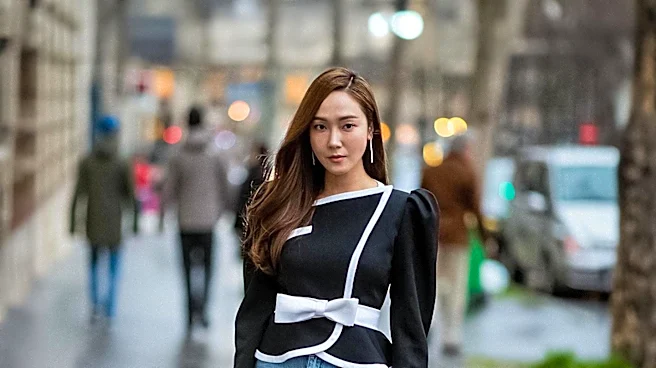
Paris Fashion Week recently concluded, highlighting denim as a prominent element in street style. Attendees showcased a wide array of denim looks, from double and triple denim ensembles to color-blocked designs. Cobalt blue denim coordinates were paired
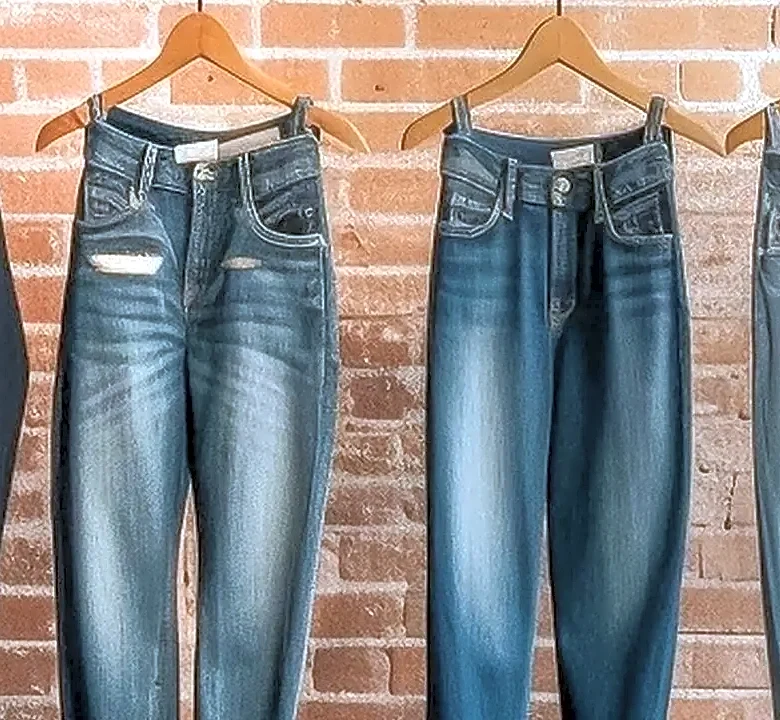
with grass-green shoulder bags, and orange bell-bottoms were styled with French blue button-down shirts, with orange frequently serving as an accent color against deep indigo. Edgier styles included black denim, faded jeans with green or yellowish tints, and distressed surfaces, often accessorized with studded belts and wallet chains. Flare jeans with a 'raver' aesthetic were also observed. One notable design featured blue jeans with a twisted construction, placing a back pocket on the front, styled simply with a long-sleeve T-shirt and black boots. Ripped and destroyed jeans were combined with lace-trimmed jackets and cropped chore jackets, while wide-leg blue jeans provided a relaxed base for flowing tops and colorful velvet blazers, often featuring deep cuffs for a retro touch. American workwear and Southwestern influences were evident in tobacco-hued jeans, work pants, and suede fringe jackets. Small details like red floral patches and designer belts added personal touches. A Dior denim skirt, inspired by the fashion house's iconic Junon gown, and flowing, wide-leg jeans were also highlighted.
Why It's Important?
The pervasive presence of denim at Paris Fashion Week signifies its enduring and evolving role in global fashion, impacting U.S. fashion trends and consumer markets. The diverse styling, from sophisticated color-blocking to edgy distressed looks, indicates a broad appeal that can influence American designers and retailers. The emphasis on versatility and personalization, through details like patches and unique constructions, suggests a shift towards more individualized and expressive denim wear, moving beyond basic styles. This trend could lead to increased demand for specialized denim products, affecting U.S. manufacturers and suppliers in the textile industry. The integration of American workwear and Southwestern influences further highlights a cross-cultural exchange in fashion, potentially boosting the market for heritage-inspired denim brands in the U.S. For consumers, it means a wider range of denim options and a continued emphasis on denim as a foundational, yet adaptable, wardrobe staple. The adoption of these trends by U.S. fashion brands will dictate future inventory and marketing strategies, influencing what appears on store shelves and in fashion campaigns.
What's Next?
Following its strong showing at Paris Fashion Week, denim is expected to continue its evolution in upcoming fashion seasons. U.S. designers and retailers will likely incorporate these emerging trends, such as color-blocked denim, distressed finishes, and wide-leg silhouettes, into their collections. Consumers can anticipate a broader availability of diverse denim styles, moving beyond traditional blue jeans to include more colored, textured, and uniquely constructed options. The focus on personalization and unique detailing, like patches and vintage-inspired belts, suggests a potential rise in DIY fashion and custom denim services. We may also see an increased emphasis on sustainable and ethically produced denim, as consumers become more conscious of fashion's environmental impact. The influence of American workwear and Southwestern aesthetics could lead to collaborations between U.S. heritage brands and contemporary designers, further solidifying denim's place as a versatile and culturally significant garment. Fashion publications and influencers will likely continue to showcase these trends, driving consumer interest and adoption in the U.S. market.
Beyond the Headlines
The prominence of denim at Paris Fashion Week reflects deeper cultural and economic shifts. Denim, traditionally associated with utility and rebellion, has now firmly cemented its place in high fashion, blurring the lines between casual wear and luxury. This evolution speaks to a broader societal trend towards comfort and authenticity in personal expression, even within formal settings. Economically, the sustained demand for denim, coupled with its adaptability to various trends, provides stability for manufacturers and retailers, but also pushes for innovation in sustainable production methods. The blend of global influences, such as American workwear aesthetics appearing on Parisian runways, underscores the interconnectedness of the fashion industry and the continuous exchange of ideas across borders. This trend also highlights the cyclical nature of fashion, where classic garments are constantly reinterpreted and revitalized, ensuring their relevance across generations. The emphasis on individual styling and unique details within denim fashion also points to a growing desire for personal identity and self-expression in an increasingly homogenized world.