



What's Happening?
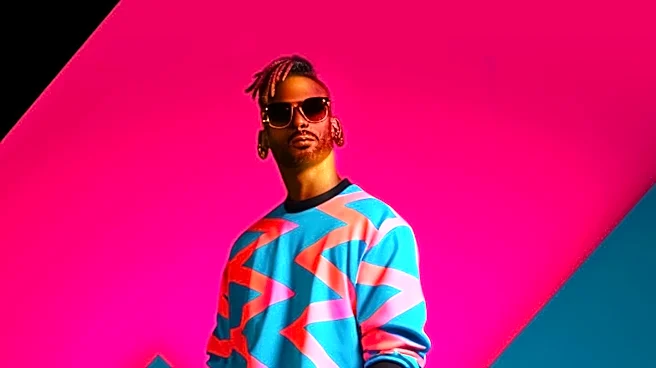
Gen Z's active lifestyle is increasingly influenced by Y2K nostalgia, leading athletic wear manufacturers to combine contemporary fabrics with retro-inspired designs. This trend is evident in collections featuring items like low-waisted loose trousers,
flared fold-over leggings, spaghetti-strap tanks, and cropped jackets, all updated with modern materials for enhanced comfort and performance. The versatility of Y2K activewear is a key driver, allowing individuals to seamlessly transition between gym workouts and casual settings. Social media platforms, particularly Instagram and TikTok, play a significant role in popularizing this fashion choice, with influencers showcasing coordinated Y2K-inspired outfits and encouraging followers to adopt similar looks. This blend of past and present not only supports sustainability through durable clothing but also improves the functionality of activewear during physical activities.
Why It's Important?
This trend signifies a broader shift in consumer preferences within the U.S. activewear market, where personal expression and nostalgia are becoming as crucial as performance. For manufacturers and retailers, understanding this demand for Y2K-inspired activewear is vital for product development and marketing strategies. The emphasis on versatility means consumers are looking for clothing that serves multiple purposes, reducing the need for extensive wardrobes and potentially influencing purchasing decisions towards more adaptable pieces. The strong influence of social media in shaping these fashion choices highlights the importance of influencer marketing and digital engagement for brands targeting Gen Z. Furthermore, the incorporation of sustainable practices, such as using recycled fabrics and eco-friendly dyes, aligns with Gen Z's growing environmental consciousness, making it a critical factor for brand appeal and market competitiveness.
What's Next?
In response to this growing trend, activewear manufacturers are expected to continue innovating by integrating classic Y2K aesthetics with advanced textile technologies. This will likely include further development in recycled fabrics, seamless construction, advanced compression zones, and moisture-management technology to meet both the stylistic and functional demands of Gen Z. Retailers and private label brands will need to adapt their inventories to feature these retro-inspired yet high-performance collections. Social media will remain a primary channel for trend dissemination, with influencers continuing to drive adoption through styling videos and coordinated outfit showcases. Brands that successfully balance nostalgic appeal with modern functionality and sustainable practices are likely to gain a competitive edge in the evolving activewear market.
Beyond the Headlines
The resurgence of Y2K activewear among Gen Z reflects a deeper cultural phenomenon of 'anemoia'—a longing for a past era one has not personally experienced. This trend extends beyond fashion, as Gen Z also shows an inclination towards analog technologies like flip phones and film cameras, suggesting a desire for a 'digital detox' and a more tangible, less overwhelming interaction with their environment. In the context of activewear, this translates into a preference for styles that evoke a simpler time while still meeting modern performance needs. This movement could indicate a broader societal shift towards valuing authenticity, comfort, and a curated sense of nostalgia in an increasingly digital and fast-paced world. It also underscores the power of social media not just to create new trends, but to revive and reinterpret past ones, making them relevant for a new generation.