
What's Happening?
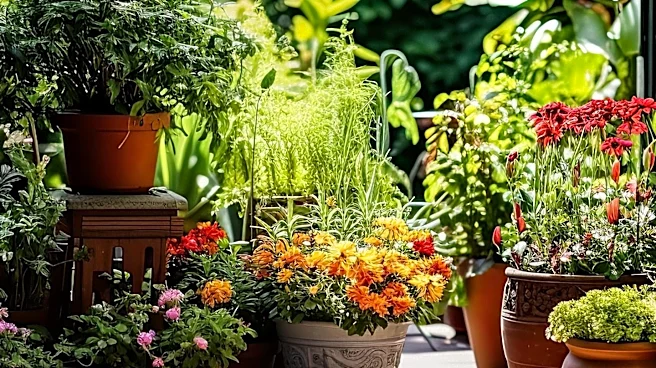
Many California native plants can be successfully grown in containers, offering aesthetic and ecological benefits such as providing nectar and pollen for local bees, butterflies, and native pollinators.
Key to their success are specific growing conditions and care practices. Deep pots are generally recommended for most native plants, except for shallow-rooted succulents. The pot material also matters, with glazed ceramic and plastic pots retaining more moisture than porous wood or unglazed terra cotta. Dark-colored or metal pots should be avoided in full sun to prevent root damage. A well-draining potting mix, often containing perlite, is crucial. Watering needs vary, but most natives require consistently moist soil, with only the top inch or two drying out between waterings, unlike succulents which are drought-tolerant in containers. Fertilization should be minimal, using a diluted solution once or twice a year, and avoided during dormancy or immediately after transplanting. Top dressing with pebbles or mulch can help retain soil moisture and add a decorative touch.
Why It's Important?
The successful cultivation of California native plants in containers holds significant importance for urban and suburban environments across the U.S., particularly in regions with similar climates. It allows individuals with limited garden space, such as those with patios or balconies, to contribute to local biodiversity and support pollinator populations. This practice helps mitigate habitat loss and promotes ecological health within developed areas. By choosing native plants, gardeners can also reduce water consumption, as these species are often adapted to local rainfall patterns. The detailed guidance on pot size, material, soil, and watering emphasizes the need for tailored horticultural practices, moving beyond generic gardening advice to address the specific needs of native flora. This approach not only ensures plant survival but also maximizes their ecological benefits, fostering a more resilient and interconnected local ecosystem.
What's Next?
Gardeners interested in growing California native plants in containers should consult local nurseries for specific plant recommendations suitable for their patio's sun exposure. Adhering to the outlined care tips regarding pot selection, soil composition, watering, and fertilization will be critical for plant health. As these plants mature, repotting into larger containers every one to two years may be necessary. Continued education on native plant care and their ecological roles will further empower gardeners to make informed choices. The increasing popularity of native plant container gardening could lead to a greater demand for specialized native plant nurseries and products, as well as more public awareness campaigns promoting biodiversity in urban landscapes.
Beyond the Headlines
The movement to grow native plants, even in containers, reflects a broader environmental consciousness and a desire to restore ecological balance within human-dominated spaces. This trend goes beyond mere aesthetics, tapping into a deeper understanding of ecosystem services, such as pollination and pest control, provided by native flora. By actively participating in native plant cultivation, individuals become stewards of their local environment, fostering a sense of connection to nature and contributing to regional conservation efforts. This practice can also serve as an educational tool, raising awareness about the importance of native species and the delicate balance of local ecosystems. The shift towards native plant gardening, even on a small scale, represents a quiet revolution in how people interact with their immediate environment, promoting a more harmonious coexistence with the natural world.