

What's Happening?
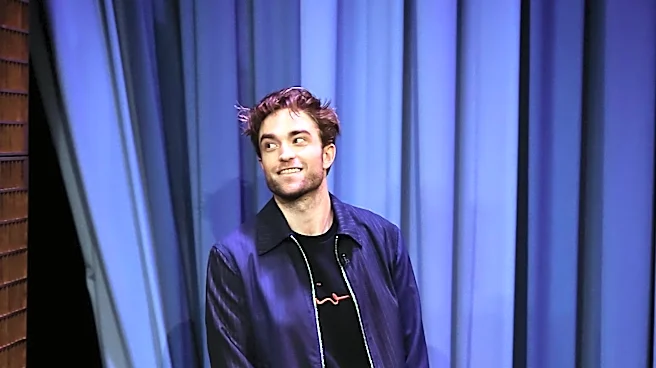
Chris Hansen, former host of 'To Catch a Predator,' was unable to preview 'Primetime,' a film about the NBC series starring Robert Pattinson, due to his refusal to sign a non-disclosure agreement (NDA). Hansen stated on Fox News that A24 lawyers presented
him with a 'very restrictive agreement' that he claims would have required him to sign away rights to his name, image, and brand, as well as potential legal rights related to the movie. His legal team advised him against signing it. A source close to the film, however, indicated that it was a standard NDA designed to prevent spoilers and protect intellectual property, and did not demand the relinquishment of his personal rights. As a result of his refusal, Hansen did not view the film ahead of its Venice Film Festival premiere.
Why It's Important?
This incident highlights the complex legal and ethical considerations surrounding biographical films and the rights of individuals portrayed in them. For the entertainment industry, it underscores the common practice of using NDAs to protect unreleased content and intellectual property, while also revealing potential friction points when subjects feel their personal rights are being infringed upon. For individuals like Hansen, the situation raises questions about control over one's public image and narrative, especially when a film dramatizes their past work. The dispute could influence how studios approach subjects of biographical films in the future, potentially leading to more transparent negotiations or clearer standard NDA terms to avoid similar conflicts and public disagreements.
What's Next?
Chris Hansen will now have to wait until 'Primetime' is released in theaters on September 25 to see the film. The public disagreement between Hansen and the film's producers, A24, may generate additional media attention for the movie, potentially influencing public perception and box office performance. This situation could also prompt further discussions within the entertainment industry regarding the balance between creative freedom, intellectual property protection, and the rights of individuals whose lives are depicted in films. Future biographical projects might face increased scrutiny over their engagement with subjects and the terms of any agreements, including NDAs, offered for preview access.
Beyond the Headlines
This dispute delves into the deeper implications of media representation and the ownership of personal narratives. Hansen's claim of being asked to 'sign away' his rights touches upon the ethical boundaries of dramatizing real-life figures, particularly when the subject was not involved in the production. It raises questions about the extent to which a public figure's persona and story become public domain, and where their individual rights to control that narrative begin and end. The incident also highlights the power dynamics between individuals and large production studios, and how legal documents like NDAs can be perceived differently by each party. This case could contribute to a broader conversation about the responsibilities of filmmakers when adapting true stories and the need for clear, equitable agreements with the individuals involved.