





What's Happening?
SpaceX has announced plans to transform its Starlink Mobile service into a full-fledged mobile carrier, aiming to compete with major U.S. wireless providers like AT&T, Verizon, and T-Mobile. During its first earnings call since going public, SpaceX President
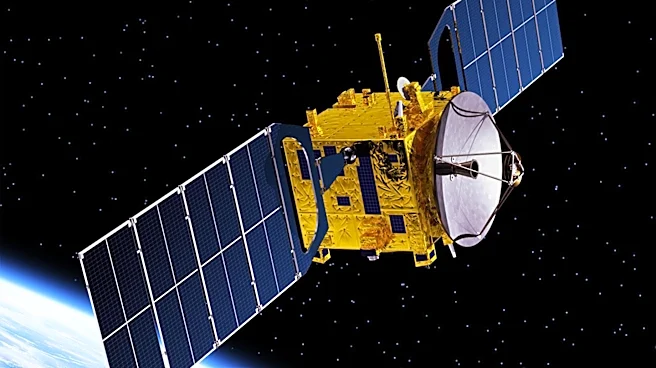
Gwynne Shotwell revealed plans to launch next-generation Starlink Mobile satellites in 2027, promising a service '100 times better' than the current offering. The company has acquired 65 megahertz of spectrum from EchoStar to enhance its wireless capacity. SpaceX intends to build a terrestrial network alongside its satellite system, deploying smaller, cost-effective cellular base stations.
Why It's Important?
SpaceX's entry into the mobile carrier market could disrupt the telecommunications industry by offering an alternative to traditional cellular networks. The company's satellite-based service could provide coverage in remote areas and during emergencies, challenging the dominance of established carriers. This move aligns with SpaceX's broader strategy to leverage its satellite technology for diverse applications, potentially reshaping the competitive landscape. The initiative could also drive innovation in telecommunications, prompting existing carriers to enhance their services to maintain market share.
What's Next?
SpaceX will focus on deploying its new satellite network and terrestrial infrastructure, with plans to launch the upgraded service by the end of 2027. The company may face regulatory hurdles and competition from established carriers, who may respond with strategic partnerships or technological advancements. Consumer response to Starlink's service will be crucial in determining its market impact. The Federal Communications Commission's approval of the spectrum transfer marks a significant step, but further regulatory approvals may be needed as the project progresses.