



What's Happening?
A consortium of developers, including Quintin E. Primo III of Capri Investment Group and GRIT Chicago, has unveiled a $10 billion proposal to construct a new stadium and entertainment district on Chicago's South Side. The 'Bronzeville Lakefront' plan
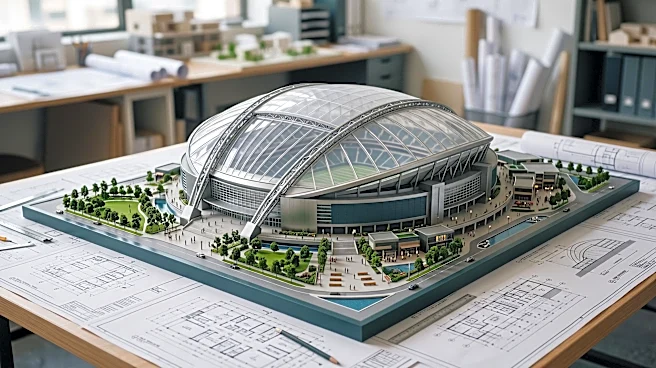
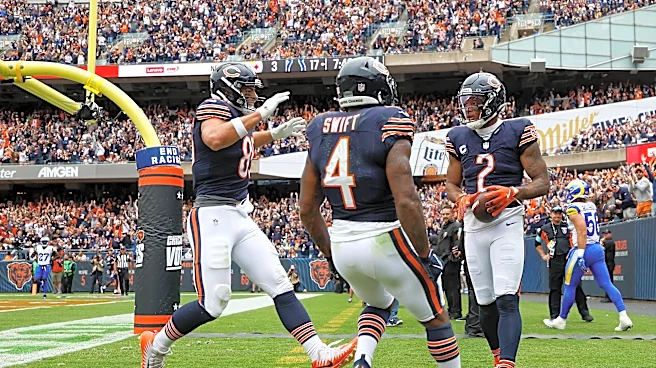
aims to transform approximately 100 acres, encompassing the former Michael Reese Hospital site, into a vibrant hub. Central to the proposal is a 75,000-seat domed stadium designed for major sporting events and concerts, intended to keep the Chicago Bears within the city. Beyond the stadium, the development envisions new housing, commercial spaces, recreational facilities, cultural attractions, hotels, and public areas. The developers are also offering to purchase the Bears' current property in Arlington Heights as an incentive. Ald. Lamont Robinson (4th Ward) emphasized the importance of community benefits, particularly protecting existing residents and ensuring their participation in the development's success. The proposal comes as Illinois lawmakers prepare to discuss new funding frameworks for stadiums.
Why It's Important?
This ambitious $10 billion development proposal carries significant implications for Chicago's economy, urban planning, and the future of its professional sports teams. If realized, the 'Bronzeville Lakefront' project could inject substantial economic activity into the South Side, a region historically underserved by large-scale investments. The developers project approximately $14 billion in regional economic activity during development and about 60,000 construction-related jobs. The plan also aims to generate around $135 million in annual tax revenue from housing, hotels, retail, and commercial uses. For the Chicago Bears, the proposal offers a compelling alternative to relocating outside the city, potentially preserving a major cultural and economic asset within Chicago. However, the project's success hinges on complex financing arrangements involving private investment, proposed stadium financing, and public infrastructure funding, including potential contributions from the Bears through naming rights and personal seat licenses. The emphasis on community benefits, such as affordable housing and tenant protections, is crucial for ensuring equitable development and mitigating potential displacement of current residents.
What's Next?
The proposal's immediate future involves discussions with the Chicago Bears and Mayor Brandon Johnson's office, neither of whom immediately commented on the plan. Illinois lawmakers are set to return to Springfield for a fall veto session next week, where they will consider legislation on new funding frameworks for stadiums in the state. This legislative context is critical, as the developers' preliminary financing approach relies on a mix of private and public funds, including potential state and municipal contributions. The development team also faces a city-imposed deadline of December 14 to submit an updated infrastructure plan for the Michael Reese site. Developers have indicated they are preparing this plan and will continue to refine the proposal with stakeholders, including the Bears. If the Bears decline the offer, Ald. Robinson suggested the site could attract other sports teams, such as the White Sox or Stars, highlighting the broader potential for the location. The commitment to a community benefits agreement, particularly regarding replacement housing for Prairie Shores residents, will be a key area of focus and negotiation.
Beyond the Headlines
The 'Bronzeville Lakefront' proposal transcends a typical stadium development, touching upon deeper issues of urban revitalization, social equity, and the role of sports franchises in community development. The developers' offer to purchase the Bears' Arlington Heights property signals a strategic move to remove a significant obstacle to the team's consideration of a Chicago location, underscoring the high stakes involved. The plan's emphasis on building more than 5,000 residential units, including affordable, senior, and student housing, reflects a broader trend in urban development to integrate mixed-use components rather than standalone stadiums. The commitment to a community benefits agreement, particularly the pledge to build replacement housing before demolishing existing units at Prairie Shores, addresses historical concerns about gentrification and displacement in large-scale urban projects. This aspect highlights a growing demand for developers to demonstrate tangible benefits for existing communities, moving beyond mere economic projections to ensure social responsibility. The project also implicitly challenges the notion that suburban locations are inherently superior for modern sports facilities, arguing for the economic and cultural advantages of an urban setting.