



What's Happening?
The 2026 MLB postseason witnessed a substantial decrease in slugging percentage, reaching levels not observed in the pitch tracking era. The rate of at-bats per home run also fell to its lowest point in 12 years. This decline is primarily attributed to exceptional
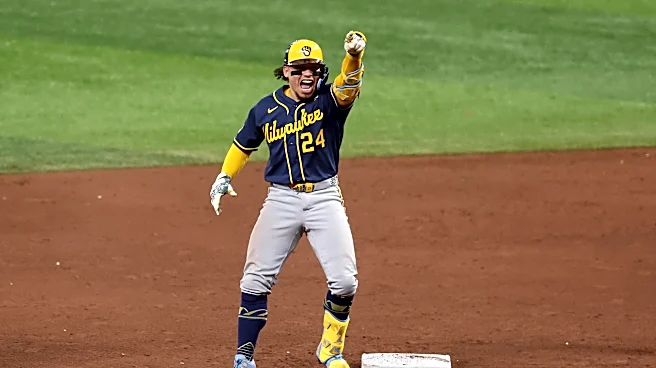
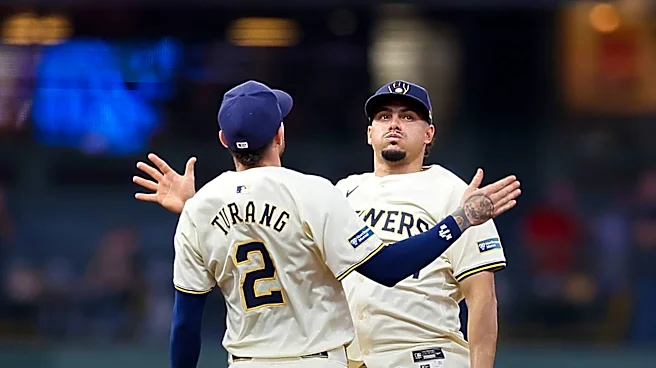
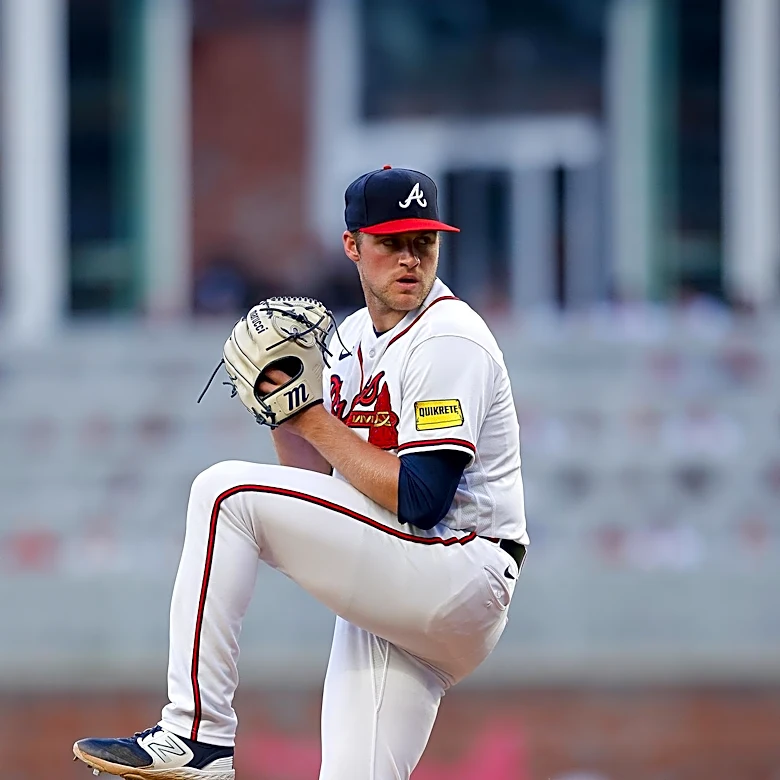
pitching, characterized by increased velocity and a higher percentage of fastballs. Pitchers threw a record 848 pitches at 99+ mph during this postseason, surpassing the combined total from 2008-2014. Fastballs, including cutters, constituted 59.7% of pitches thrown, the highest percentage in eight postseasons, with a pitch-tracking low slugging percentage against them (.354). The Milwaukee Brewers' pitching staff was particularly effective, allowing a .243 slugging percentage, the lowest by any team playing at least three postseason games since 2008. The Brewers, who were last in the National League in home runs during the regular season, redefined winning in October by focusing on speed, contact, and opposite-field hitting.
Why It's Important?
The significant drop in slugging percentage during the 2026 MLB playoffs indicates a fundamental shift in baseball strategy and performance, highlighting the increasing dominance of pitching. This trend challenges the long-held belief that home runs are the primary currency for postseason success, as evidenced by the Brewers' championship run despite being a low-slugging team. The emphasis on high-velocity fastballs and effective off-speed pitches suggests that hitters are struggling to make solid contact, leading to fewer extra-base hits and home runs. This shift could influence player development, team construction, and offensive approaches across the league, potentially favoring teams with strong pitching rotations and bullpens, and those capable of manufacturing runs through small-ball tactics rather than solely relying on power hitting. The success of teams like the Brewers, who went 5-0 in homerless postseason games, underscores the evolving dynamics of the game.
Beyond the Headlines
This trend of declining slugging percentage and increased pitching dominance could have broader implications for the aesthetic and strategic appeal of baseball. While home runs have historically been a major draw for fans, a shift towards more contact-oriented hitting and strategic baserunning might lead to a different kind of excitement. It could also spark debates about the balance between offense and defense in the sport, potentially leading to rule changes or adjustments in player training methodologies. The increased velocity and effectiveness of pitching may also raise concerns about player safety and the long-term health of pitchers. Furthermore, the success of teams like the Brewers, who prioritize pitching and fundamental baseball, could inspire other organizations to re-evaluate their analytical models and investment strategies, moving away from a singular focus on 'launch angle' and power hitting.