






What's Happening?
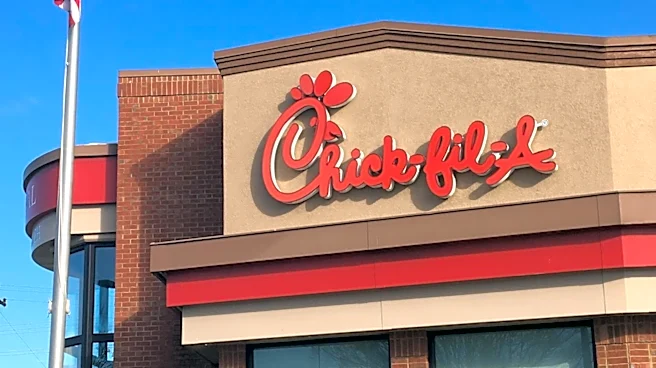
The St. Pete City Council has approved a rezoning proposal that will allow a Chick-fil-A on 4th Street North to expand, leading to the displacement of several small businesses and residents. The council voted 7-1 to approve an appeal to rezone the property
from neighborhood traditional zoning to corridor commercial suburban zoning. This decision overturns an earlier denial by the city's planning commission in August. The expansion plans involve taking over an adjacent property that currently houses a seven-unit apartment building and the Village Shoppes, which includes businesses like Aquatic Galleria and SZ The Tailor. Business owners report being blindsided by non-renewal notices for their leases, which expire at the end of the year, and anticipate significant relocation costs. Chick-fil-A representatives argue that the expansion is necessary to alleviate severe traffic congestion and safety concerns on 4th Street North caused by the restaurant's drive-thru operations. The proposed plan aims to improve cue circulation, increase parking, and remove direct access from 4th Street.
Why It's Important?
This decision highlights the tension between urban development, corporate expansion, and the preservation of local small businesses and residential communities. For the displaced businesses, the impact is immediate and severe, involving unexpected relocation costs and the potential loss of established customer bases. Owners like Anulak Singphiphat of Aquatic Galleria and Salam Zairji of SZ The Tailor express distress over the disruption to their livelihoods and the lack of prior communication regarding the expansion plans. For residents, it means finding new housing in a competitive market. Conversely, Chick-fil-A and its supporters emphasize the public safety benefits of reducing traffic congestion on a busy thoroughfare and the creation of 50 to 75 new jobs. The situation underscores the challenges cities face in balancing economic growth and infrastructure improvements with the welfare of existing communities and local economies. It also raises questions about transparency and communication in urban planning processes, as business owners claim they were not informed despite the project being in discussion since the beginning of the year.
What's Next?
Displaced businesses and apartment tenants will need to relocate by the end of the year, as their current leases will not be renewed. While Chick-fil-A's local Owner-Operator, David Neely, stated that actual rebuilding is at least 18 months away, the immediate concern for those affected is finding new premises and managing relocation logistics. The St. Pete Chamber of Commerce is reportedly offering assistance to business owners in finding new locations, and the property landlord is exploring ways to support residents with relocation. However, specific details about relocation support remain unclear, and the landlord has declined to comment. The city's approval sets the stage for the eventual demolition of the existing structures to make way for the expanded Chick-fil-A. This development will likely lead to further discussions about urban planning policies, the rights of small businesses in the face of large corporate developments, and the effectiveness of community engagement in such projects.
Beyond the Headlines
This case reflects a broader national trend where established local businesses and affordable housing are often displaced by larger commercial developments, particularly in rapidly growing urban areas. The narrative often pits economic efficiency and traffic management against community stability and the unique character provided by small enterprises. The lack of direct communication with affected business owners, as alleged, points to potential systemic issues in how development projects are communicated to stakeholders, raising questions about equitable development practices. The long-term implications could include a shift in the commercial landscape of 4th Street North, potentially leading to a more uniform, chain-dominated retail environment. This situation also highlights the vulnerability of tenants, both commercial and residential, when properties are sold or redeveloped, underscoring the need for robust tenant protection policies and clearer guidelines for developer engagement with affected parties. The incident may also prompt local advocacy groups to push for stronger protections for small businesses and residents in future rezoning and development proposals.