






What's Happening?
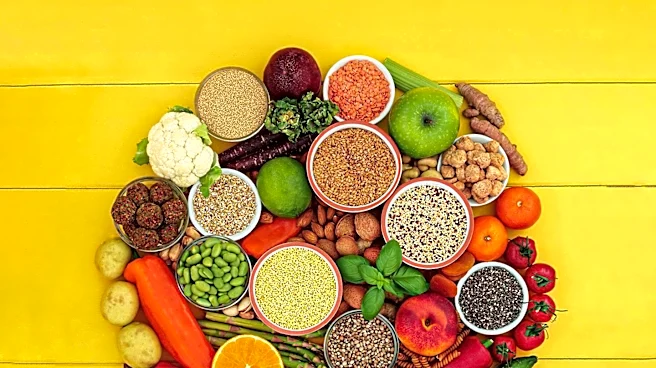
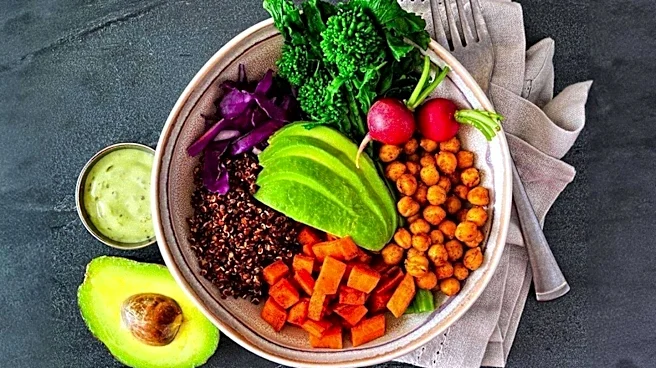
Clean eating focuses on consuming foods that are as close to their natural state as possible, meaning they undergo minimal processing and contain no synthetic enhancements. This dietary approach prioritizes fresh vegetables, fruits, legumes, nuts, and lean proteins.
A crucial aspect of clean eating, and overall food safety, involves properly cleaning produce. Even commercially washed produce can harbor bacteria, dirt, and pesticides. Experts recommend rinsing all vegetables under cool running water. For leafy greens, separating leaves and swishing them in a bowl of cold water is advised, followed by draining and repeating if necessary. Firm vegetables like potatoes, carrots, and cucumbers should be scrubbed under running water. It is also essential to wash hands with soap and warm water for 20 seconds before handling produce and to use separate cutting boards for fresh produce and raw meat to prevent cross-contamination. Soaking most vegetables for extended periods is not recommended as it can reintroduce contaminants, and using soap or commercial produce washes is discouraged due to potential absorption.
Why It's Important?
Adopting clean eating principles and proper produce cleaning techniques is vital for public health in the U.S. It directly reduces the risk of foodborne illnesses caused by bacteria such as Salmonella, Listeria, and E. coli, which can contaminate produce during growth, storage, or preparation. With frequent recalls of vegetables due to contamination, understanding and implementing these practices empowers consumers to protect themselves. Beyond immediate safety, clean eating contributes to a broader healthy eating pattern that supports overall well-being, including heart health and potentially brain health, as highlighted by research on diets rich in whole foods. The emphasis on whole, unprocessed foods can help individuals manage weight, control cholesterol, and regulate blood sugar, addressing common health challenges in the U.S. The practice of cleaning produce, even if pre-washed or from farmers' markets, ensures that consumers are not inadvertently exposed to harmful residues or pathogens, promoting a safer food supply chain from farm to table.
What's Next?
Consumers are encouraged to integrate these cleaning practices into their daily routines, regardless of where their produce originates. Educational initiatives from health organizations and food scientists will likely continue to emphasize the importance of handwashing, proper rinsing, and avoiding cross-contamination. There may be a continued focus on distinguishing between effective cleaning methods (like rinsing with water) and ineffective or potentially harmful ones (like using soap on produce). As awareness grows, there could be an increased demand for clearer labeling on produce regarding washing recommendations and potential contaminants. Food safety guidelines from federal agencies like the FDA and USDA will continue to evolve, potentially incorporating more specific advice on cleaning various types of produce. Additionally, the broader movement towards clean eating is expected to gain further traction, influencing food product development and consumer choices towards more natural, minimally processed options.
Beyond the Headlines
The emphasis on clean eating and meticulous produce cleaning reflects a growing societal awareness of food origins and safety. This trend extends beyond individual health, touching upon broader ethical and environmental considerations in the food industry. Consumers are increasingly scrutinizing food production practices, including pesticide use and handling procedures, which can influence purchasing decisions and support for local, organic, or sustainably farmed produce. The discussion around 'clean' food also highlights the challenges of maintaining food safety in a complex global supply chain, where contamination can occur at multiple points. Furthermore, the promotion of whole, unprocessed foods challenges the prevalence of highly processed foods in the American diet, potentially leading to shifts in dietary norms and a greater appreciation for home cooking and fresh ingredients. This cultural shift could have long-term implications for public health, agricultural practices, and the food retail landscape, fostering a more informed and health-conscious consumer base.