



What's Happening?
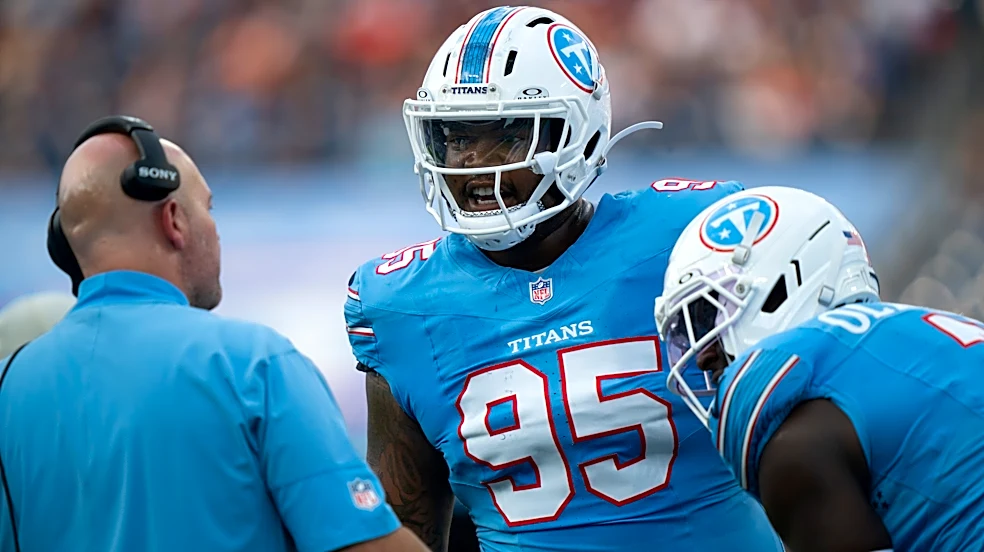
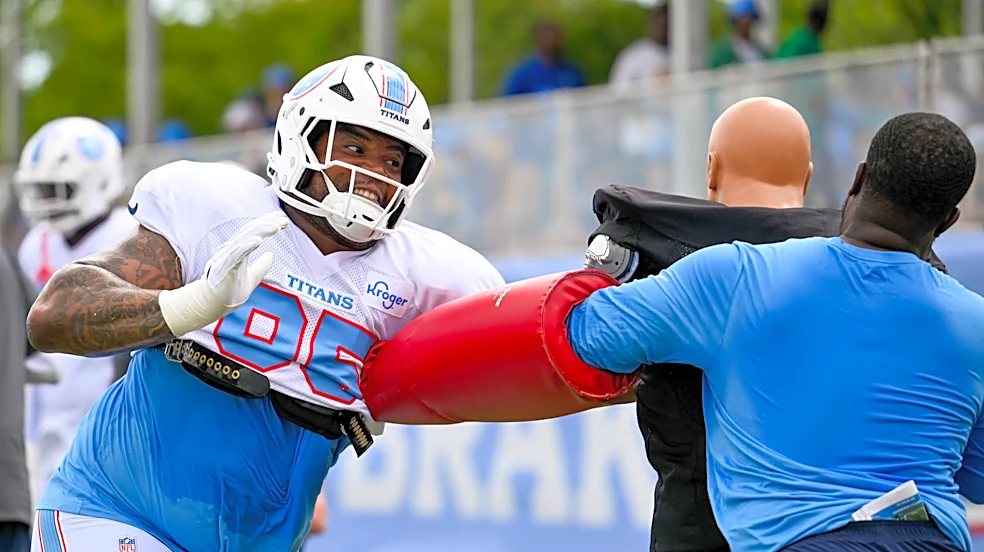
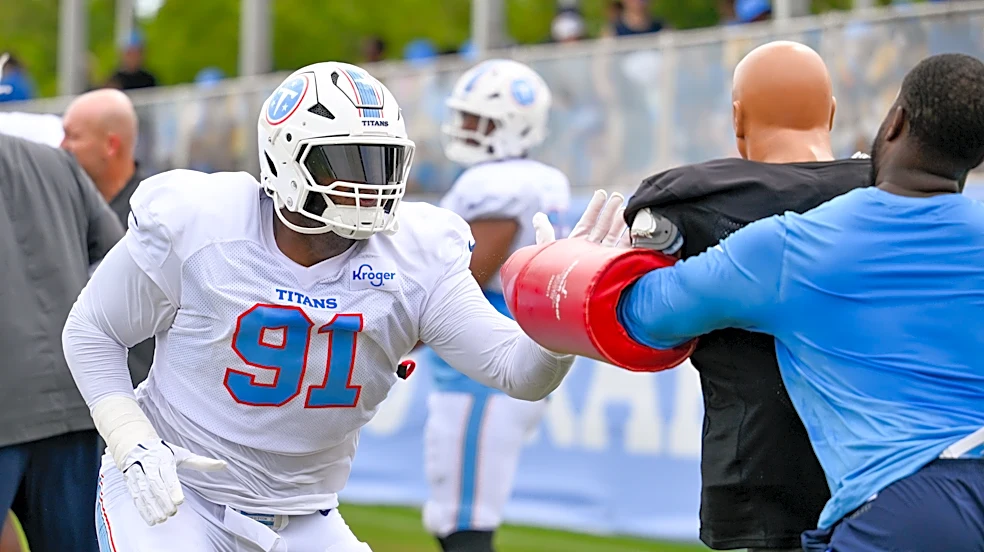
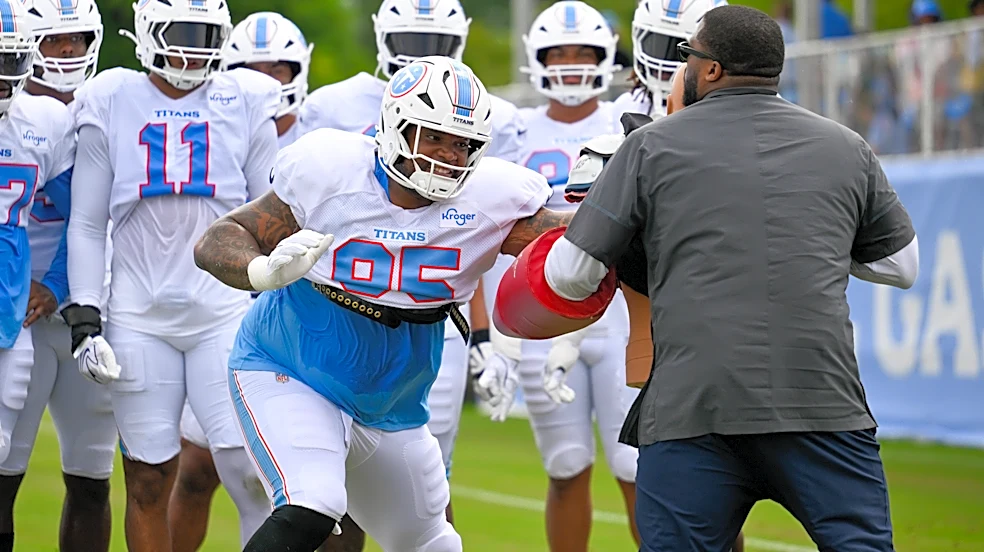
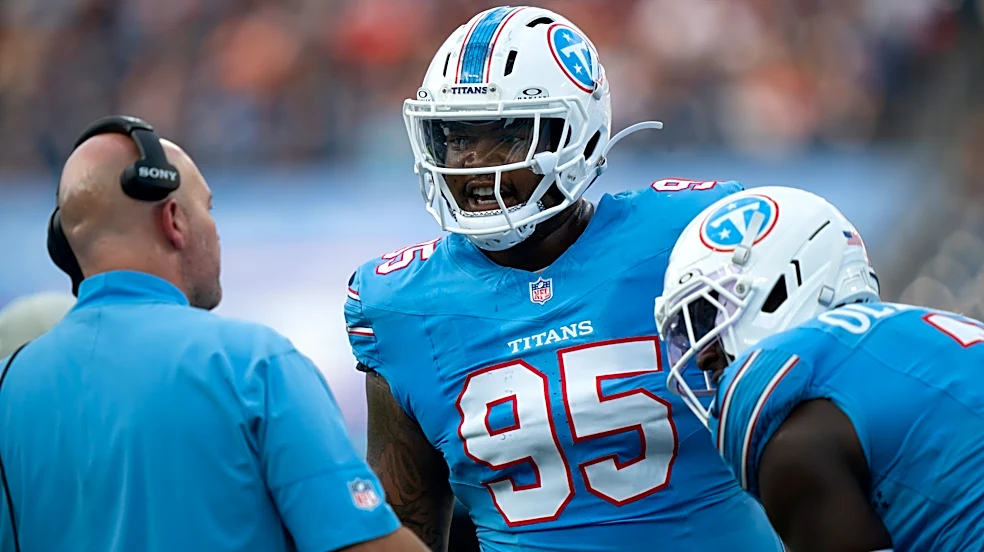
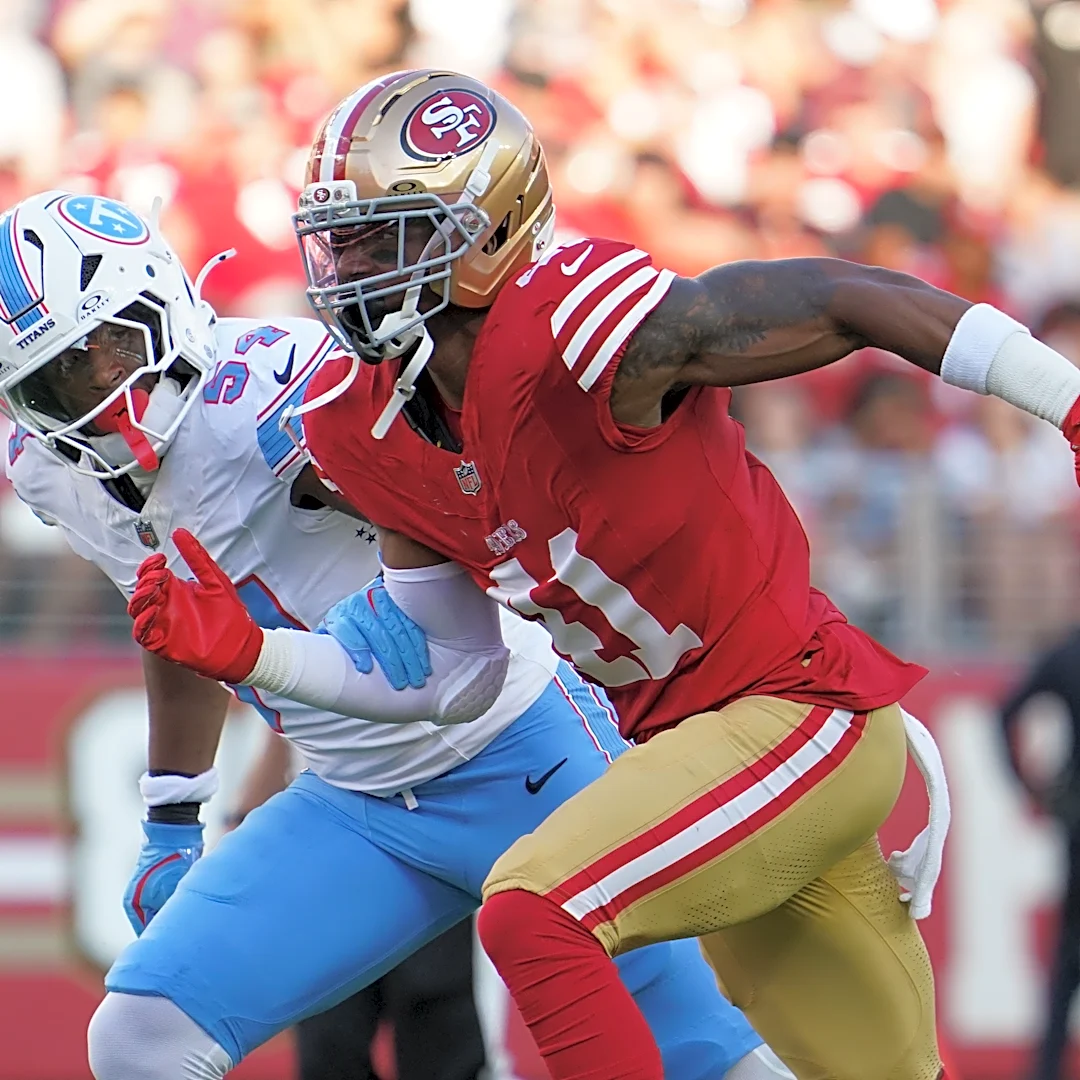
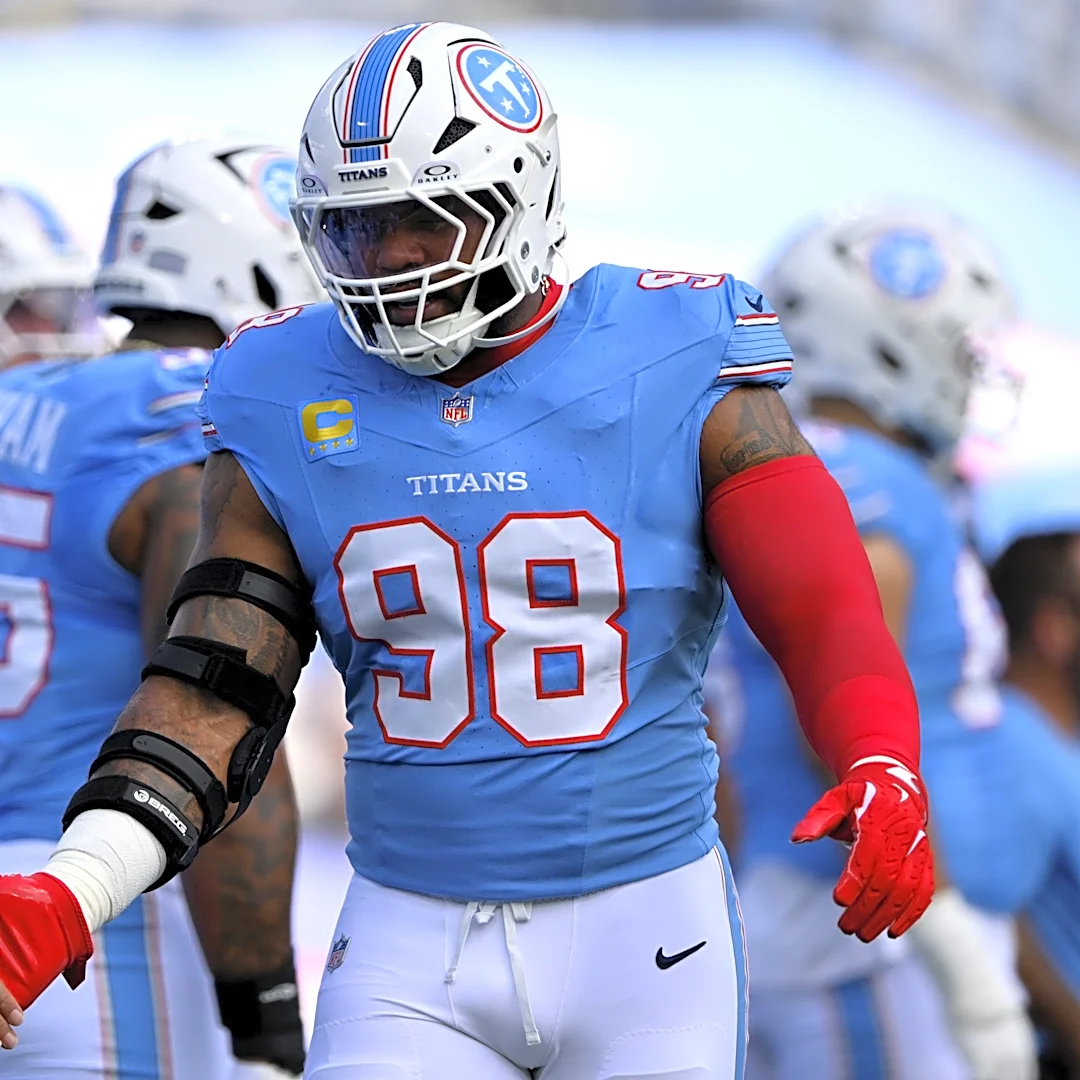
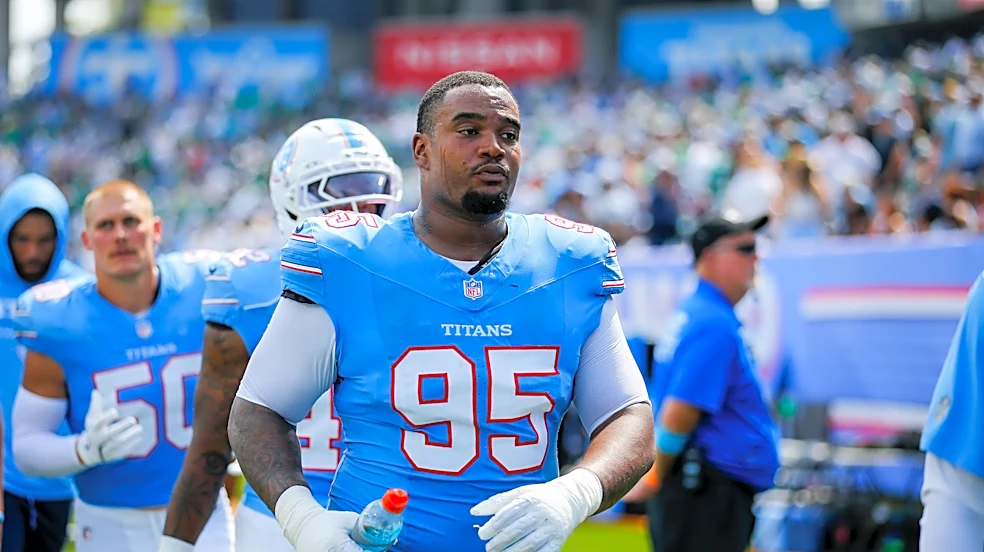
The Tennessee Titans abruptly released defensive tackle Jordan Elliott after an incident on October 15, 2026, where he reportedly went to his car to retrieve a gun following an altercation with teammate JC Latham. According to reports from Austin Stanley
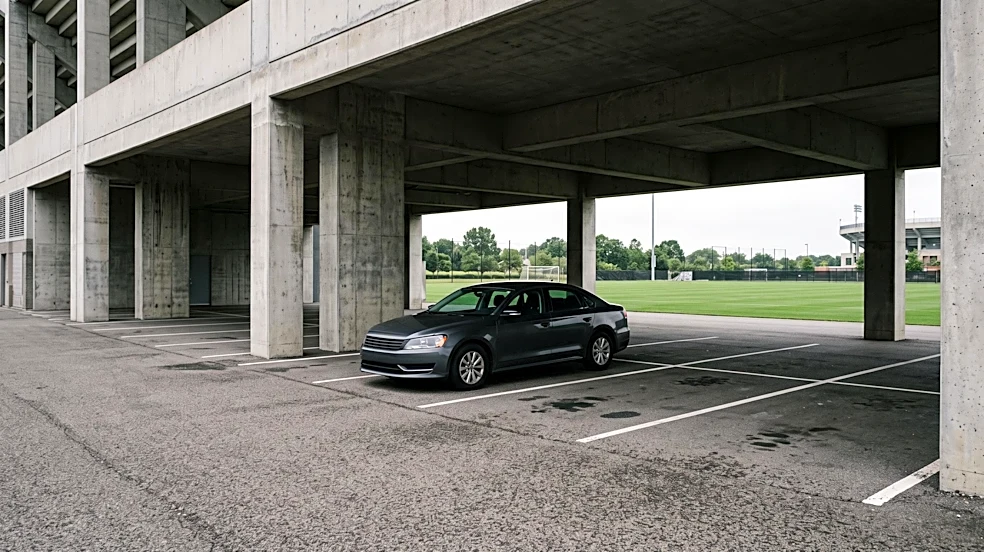
and Easton Freeze of AtoZSports.com and Aaron Wilson of KPRC in Houston, the argument occurred after a play, leading to Elliott being told to leave the practice field. He then proceeded to the players' parking garage to get his firearm. Titans defensive tackle John Franklin-Myers intervened and de-escalated the situation. The entire event was reportedly captured by surveillance cameras. Elliott, who signed a two-year, $8 million contract in the offseason, was inactive for the team's recent win over the Colts before his release five days later.
Why It's Important?
The release of Jordan Elliott by the Tennessee Titans due to an incident involving a gun is a significant event with serious implications for player conduct and team management in the NFL. This situation underscores the league's ongoing challenges with player discipline and the responsible handling of firearms, particularly in professional sports environments. The swift action taken by the Titans highlights a zero-tolerance policy for behaviors that threaten team safety and cohesion. For the NFL, such incidents often lead to discussions about stricter guidelines and enforcement regarding player conduct, both on and off the field. It also impacts team dynamics, as the sudden departure of a player, especially one with a significant contract, can disrupt roster stability and performance.
What's Next?
The NFL will likely investigate the incident involving Jordan Elliott, as it is unclear whether the league was promptly informed by the Titans. Depending on the findings, Elliott could face further disciplinary action from the league, including suspension, which would impact his ability to sign with another team. The Titans will need to address the void left by Elliott's departure on their defensive line and manage any potential fallout within the team. This incident may also prompt the Titans and other NFL teams to review and reinforce their internal policies regarding player conduct, conflict resolution, and firearm possession on team premises. The broader conversation about player safety and mental health support within professional sports may also intensify.
Beyond the Headlines
The incident involving Jordan Elliott and the Tennessee Titans brings to light deeper societal issues surrounding gun ownership, conflict resolution, and workplace safety, even within the highly structured environment of professional sports. The presence of firearms in a professional setting, particularly during a heated altercation, raises critical questions about the psychological pressures faced by athletes and the mechanisms in place to prevent such situations from escalating. This event could fuel debates about the intersection of personal freedoms, such as the right to bear arms, and the responsibilities that come with being a public figure and a member of a team. It also highlights the crucial role of teammates, like John Franklin-Myers, in de-escalating potentially dangerous situations, underscoring the importance of peer support and intervention in high-stress environments.