

What's Happening?
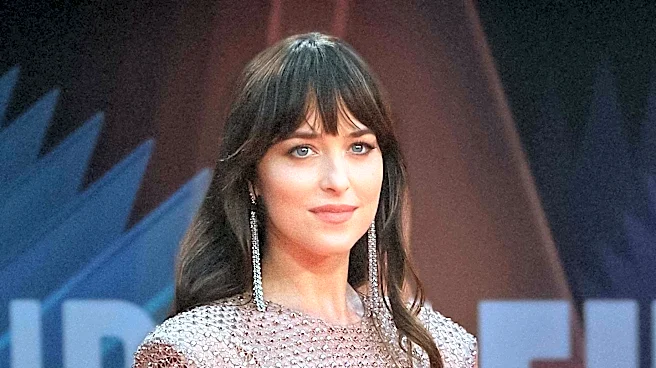
Actress Dakota Johnson is facing accusations of racial insensitivity following a resurfaced clip from an episode of 'Hot Ones Versus.' In the clip, which was reposted on X on November 24, 2026, Johnson questioned whether NBA player OG Anunoby was a 'real
person' after his name appeared during a guessing game. The exchange occurred during an episode recorded in October 2026, where Johnson, Anne Hathaway, and Josh Hartnett were promoting their film, 'Verity.' When Anunoby's name was presented, Johnson reportedly responded with an expletive and asked if the name was genuine. This reaction has led to criticism on social media platforms, including Reddit's r/popculturechat community, where some users described her remarks as a racial microaggression. While some commenters suggested her reaction stemmed from unfamiliarity with the player or professional basketball, others viewed it as part of a broader issue of making fun of ethnic or non-European sounding names. Hathaway, who was also on the show, correctly identified Anunoby and spoke about watching him play for the New York Knicks, drawing praise from viewers who contrasted her response with Johnson's.
Why It's Important?
This incident highlights ongoing discussions around racial microaggressions and the impact of comments, even if unintentional, on individuals with non-European names. The backlash against Johnson underscores a growing public awareness and intolerance for remarks perceived as dismissive or mocking of diverse cultural identities. For public figures like Johnson, such controversies can significantly affect their public image and professional standing, leading to calls for greater sensitivity and understanding. The debate also reflects broader societal conversations about implicit bias and the responsibility of individuals, particularly those in the public eye, to be mindful of how their words are perceived. The differing reactions online, with some defending Johnson's intent and others condemning her remarks, illustrate the complex nature of interpreting such interactions and the varying perspectives on what constitutes a microaggression. This event contributes to the ongoing dialogue about cultural competence and respect in media and everyday interactions.
What's Next?
As of November 27, 2026, Dakota Johnson has not publicly addressed the criticism regarding her comments about OG Anunoby's name. The absence of a statement from Johnson, Anunoby, or the show 'First We Feast' leaves the immediate future of this controversy uncertain. Public figures often face pressure to issue apologies or clarifications in such situations, and Johnson may choose to do so to mitigate further negative public perception. The incident could also prompt broader discussions within the entertainment industry about media training and cultural sensitivity for celebrities appearing on talk shows or in public forums. Depending on how the situation evolves, there might be continued social media discourse, potentially leading to further scrutiny of Johnson's past public appearances or a broader conversation about how names from diverse backgrounds are treated in mainstream media. The NBA player, OG Anunoby, has also not commented, and his potential reaction could further shape the narrative surrounding this event.
Beyond the Headlines
Beyond the immediate controversy, this incident touches upon deeper societal issues concerning the normalization of questioning or ridiculing names that are unfamiliar or ethnically distinct. The online reactions, particularly those from individuals sharing their own experiences of having their names questioned, reveal a pervasive issue that extends beyond celebrity interactions. This situation underscores the subtle yet impactful ways in which prejudice can manifest, even without overt malicious intent. It also highlights the power of social media in amplifying such discussions and holding public figures accountable for their words. The comparison made by some users between learning complex fictional names (e.g., from 'Game of Thrones') and struggling with real-world ethnic names points to a potential double standard and a lack of genuine curiosity or respect for diverse cultural backgrounds. This event serves as a reminder of the ongoing need for education and empathy to foster a more inclusive environment where all names are treated with respect and dignity.