





What's Happening?
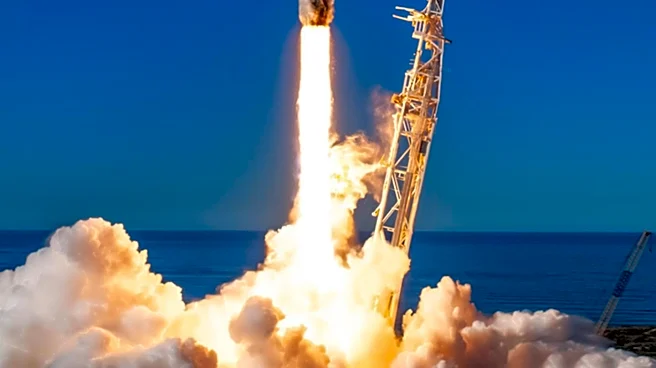
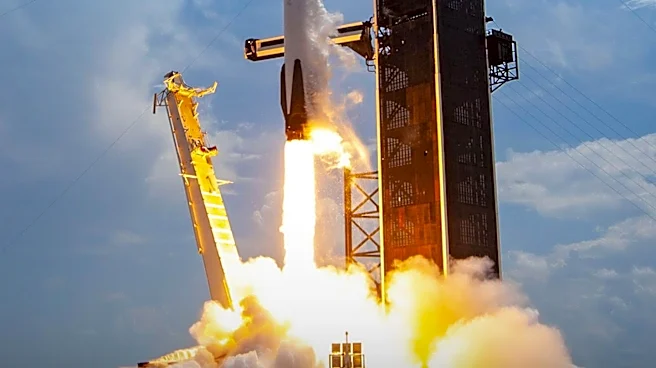
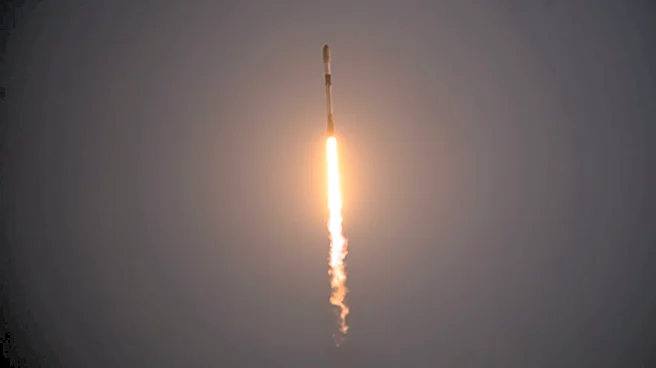
SpaceX is set to launch 29 Starlink satellites using a Falcon 9 booster that has already been flown 17 times. Scheduled for liftoff from Cape Canaveral, this mission underscores SpaceX's commitment to reusability, a key factor in reducing launch costs
and increasing frequency. The Falcon 9's reusability has allowed SpaceX to conduct 92 missions in 2026 alone, far surpassing other space agencies. This approach has positioned SpaceX as a leader in the space industry, with its reusable technology setting a new standard for cost-effective space exploration.
Why It's Important?
The reusability of the Falcon 9 booster represents a significant technological advancement in the space industry. By reusing rockets, SpaceX can lower the cost of each mission, making space more accessible and affordable. This capability not only benefits SpaceX but also its clients, including NASA and commercial satellite operators, by providing more frequent and cost-effective launch opportunities. The success of SpaceX's reusable technology could influence other space agencies and companies to adopt similar practices, potentially transforming the economics of space travel.
What's Next?
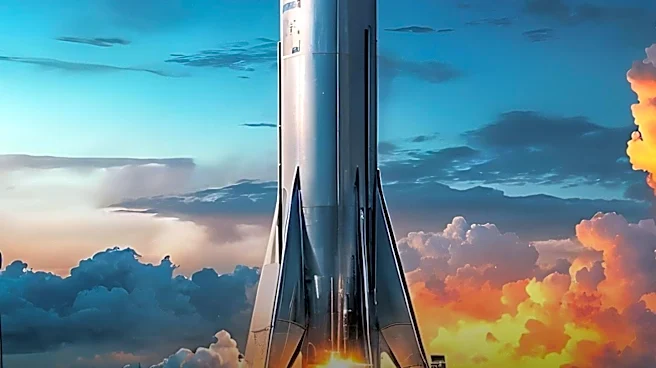
As SpaceX continues to demonstrate the viability of reusable rockets, the company is likely to focus on further innovations, such as the development of the fully reusable Starship. This next-generation spacecraft aims to revolutionize space travel by enabling missions to the Moon and Mars. Meanwhile, competitors like Blue Origin and Rocket Lab are also pursuing reusable rocket technology, indicating a broader industry trend towards sustainability and cost reduction. The continued success of SpaceX's reusable launches could accelerate these developments and shape the future of space exploration.