






What's Happening?
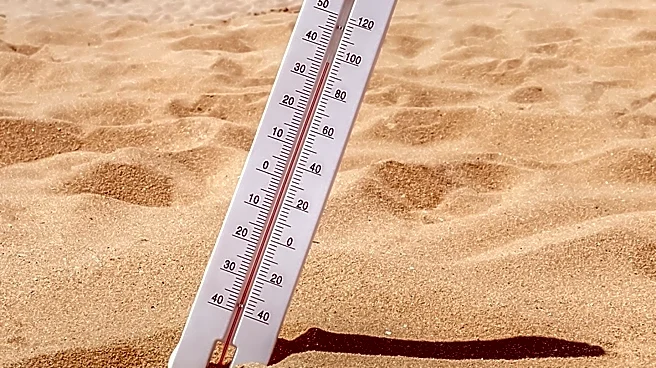
Thousands of music fans gathered in downtown Phoenix on Wednesday for back-to-back major concerts, enduring temperatures well above 110 degrees Fahrenheit. Folk-pop singer Noah Kahan performed at Chase Field, while electronic group Rufus Du Sol played
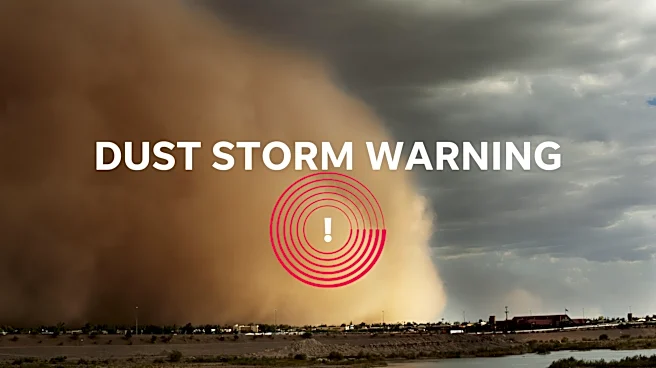
at the nearby Mortgage Matchup Center. Despite an ongoing First Alert Weather Day for extreme heat and potential storms, dedicated fans arrived hours early, with many taking precautions such as freezing water bottles, bringing rags for cooling, and utilizing designated cooling stations and shaded areas. Emergency medical technicians were on standby outside the venues as a precautionary measure, and no serious heat-related injuries were reported during the pre-show hours. The National Weather Service has extended the excessive heat warning for the area through the end of the week.
Why It's Important?
This event highlights the significant challenges posed by extreme weather conditions, particularly heatwaves, on large public gatherings and the entertainment industry in the U.S. The need for extensive precautionary measures, such as on-site medical personnel, cooling stations, and public advisories for hydration, underscores the health risks associated with prolonged exposure to high temperatures. The willingness of thousands of fans to brave such conditions also demonstrates the economic and cultural draw of live music events, even in adverse environments. This situation could influence future event planning and public safety protocols in regions prone to extreme heat, potentially leading to stricter guidelines for outdoor events or increased investment in climate-controlled venues and emergency services.
What's Next?
With the excessive heat warning extended through the end of the week, event organizers in Phoenix and similar regions will likely continue to implement and potentially enhance heat mitigation strategies for future large-scale gatherings. This could include more widespread availability of cooling stations, increased medical staff, and clearer communication of heat safety guidelines to attendees. There may also be discussions among venue operators and city officials about the feasibility and safety of holding outdoor events during peak heat seasons. The experience could serve as a case study for other U.S. cities facing similar climate challenges, prompting a review of their own event safety protocols and infrastructure to protect public health during extreme weather.
Beyond the Headlines
The phenomenon of fans enduring extreme heat for entertainment reflects a broader societal adaptation to changing climate patterns and the enduring human desire for shared cultural experiences. It raises questions about the long-term sustainability of outdoor events in increasingly hot climates and the ethical responsibilities of event organizers to ensure attendee safety. This situation could also spur innovation in event management, such as the development of advanced cooling technologies or alternative venue designs. Furthermore, it highlights the importance of individual preparedness and community resilience in the face of environmental challenges, as attendees themselves adopted strategies to cope with the heat. The event serves as a microcosm of how communities are learning to live with and adapt to the realities of a warming world.