
What's Happening?
The U.S. Open is facing challenges related to the increased presence of influencers and content creators, leading to disruptions during matches and raising questions about tennis etiquette. The U.S. Tennis Association (USTA) doubled the number of credentialed
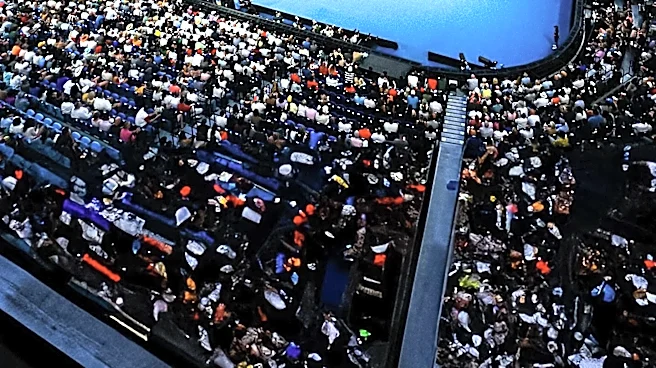
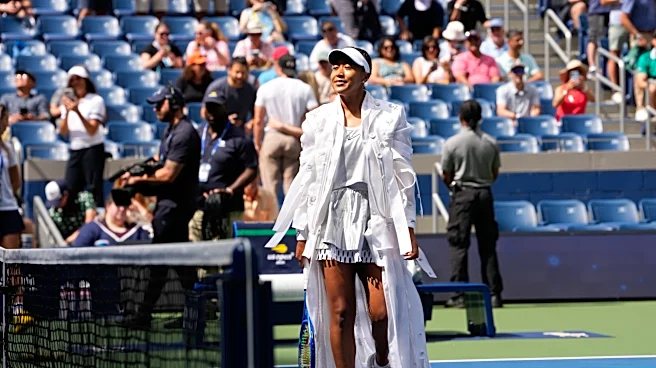
content creators this year, aiming to reach new audiences. However, this initiative has resulted in incidents such as shouting during points, bright ring lights being used for photos, and fans posing for selfies while play is ongoing. Chair umpires have had to admonish groups for recording videos mid-point and repeatedly ask fans for quiet. Players like Naomi Osaka and Katerina Siniakova have noted the audible distractions from the stands, even in large stadiums. While some players acknowledge the potential for growth, they also emphasize the need for better management and adherence to established tennis protocols.
Why It's Important?
The integration of influencers into major sporting events like the U.S. Open highlights a broader tension between traditional sports culture and modern digital engagement strategies. While the USTA's goal of expanding tennis's reach to new demographics through content creators is a valid business objective, the current execution is impacting the integrity of the competition and the experience for both players and traditional fans. The disruptions could affect player performance and concentration, potentially influencing match outcomes. Furthermore, a perceived decline in etiquette could alienate long-time tennis enthusiasts who value the sport's decorum. This situation underscores the challenge for sports organizations to balance commercial interests and audience expansion with maintaining the sanctity and established norms of their events. The U.S. Open's experience could set a precedent for how other major sports leagues approach influencer collaborations in the future.
What's Next?
In response to the disruptions, video screens at the U.S. Open have begun displaying messages urging attendees to refrain from using flash photography and other lighting. Players and officials are calling for clearer guidelines and better enforcement of etiquette. Coco Gauff suggested that brands inviting influencers should provide etiquette signs. Madison Appel, a college tennis player and influencer, has offered tips on social media regarding appropriate behavior at matches, emphasizing quiet during play and limiting photography to breaks. The USTA will likely need to re-evaluate its strategy for credentialing and managing content creators, potentially implementing stricter rules, clearer communication about expected conduct, and more active monitoring to prevent future interruptions. The ongoing discussion among players, officials, and fans suggests that adjustments to policies and enforcement are imminent to ensure a balance between audience engagement and respect for the game.
Beyond the Headlines
This situation at the U.S. Open reflects a larger societal shift where digital content creation and instant sharing are becoming increasingly pervasive, even in environments traditionally governed by strict codes of conduct. The conflict between the desire for viral content and the need for respectful observation in a live sporting event raises questions about the evolving nature of public spaces and shared experiences. It also highlights a generational divide in understanding and adhering to established social norms. The incident prompts a deeper consideration of how institutions can educate new audiences about the unique etiquette of specific events without stifling enthusiasm or innovation. The challenge extends beyond tennis, as many traditional institutions grapple with integrating new forms of media and engagement while preserving their core values and traditions. The U.S. Open's response will be a case study in navigating this complex intersection of tradition, technology, and audience engagement.