





What's Happening?
Oklahoma City has unveiled its new professional soccer team, OKC United, which is set to begin competing in the 2028 USL Champions League season. The announcement was made by Mayor Holt during the 2026 State of the City address. The team will play at the new MAPS
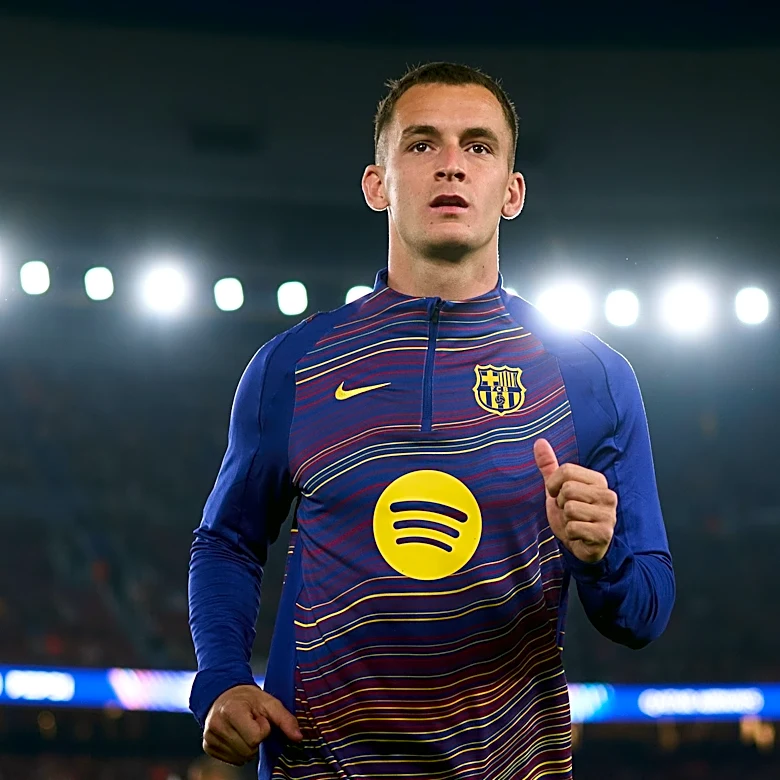
4 stadium, a multipurpose venue currently under construction. The name 'OKC United' was selected to reflect the community's unity and pride, and the team's crest incorporates elements significant to Oklahoma's heritage, including 39 sun rays representing the state's tribes and a zig-zag border honoring sports icon Jim Thorpe. The team's primary colors are inspired by the Oklahoma sky, featuring Midnight Blue, Pink Sunset, and Ivory Cloud. The uniform, or 'kit,' is dark navy with white detailing and features the club crest and Echo Investment Capital logo.
Why It's Important?
The introduction of OKC United marks a significant development in Oklahoma City's sports landscape, promising to enhance the city's cultural and economic vitality. The establishment of a professional soccer team is expected to boost local interest in the sport, attract tourism, and create new business opportunities. The team's formation is part of a broader initiative to expand Oklahoma City's sports and entertainment offerings, potentially increasing the city's national profile. The new MAPS 4 stadium will not only serve as a home for OKC United but also as a venue for various events, contributing to the city's infrastructure and economic growth. The involvement of local investors and leaders underscores a strong community commitment to the team's success.
What's Next?
As OKC United prepares for its debut in 2028, several key developments are anticipated. The construction of the MAPS 4 stadium will continue, with further details about the team's coaching staff, player roster, and additional uniforms expected to be announced. The team will likely engage in community outreach and marketing efforts to build a fan base and foster local support. The success of OKC United could influence future investments in sports and entertainment infrastructure in Oklahoma City, potentially leading to more professional teams or events. Stakeholders, including city officials and investors, will monitor the team's progress and its impact on the local economy and community engagement.