





What's Happening?
Archipelago Hotels, a major hotel management group, is significantly expanding its wellness offerings across more than 70 properties in response to the growing global trend of wellness tourism. Public awareness of physical and mental health is driving
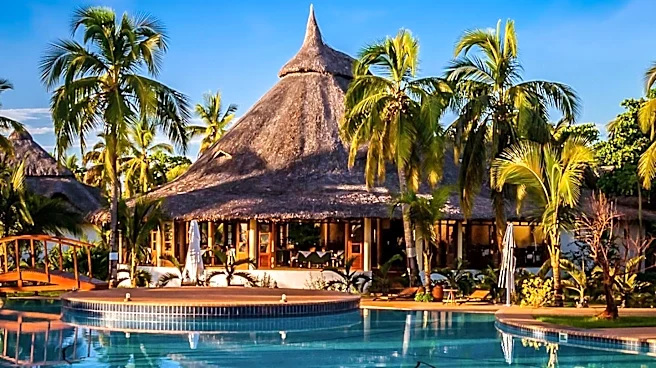
travelers to seek opportunities for energy restoration and healthy lifestyle maintenance during their trips, rather than just a break. According to John Flood, CEO of Archipelago Hotels, the role of hotels is evolving to support a healthy lifestyle and guest well-being. The company now provides a wide array of wellness facilities, including fitness centers, swimming pools, spas, saunas, jacuzzis, and fitness activities such as yoga, Zumba, and Pilates. These facilities are designed to help guests maintain their health routines while traveling for either business or leisure, with many spa treatments incorporating Indonesian traditions.
Why It's Important?
This strategic move by Archipelago Hotels underscores the significant impact of wellness tourism on the global hospitality industry. The integration of comprehensive wellness facilities across numerous properties reflects a direct response to changing consumer priorities, where health and relaxation are becoming essential components of the travel experience. For the U.S. market, this trend indicates a broader shift in traveler expectations, potentially influencing how American hotel chains design and market their services. Hotels that fail to adapt to this demand for wellness-centric amenities risk losing market share. The emphasis on maintaining health routines while traveling also highlights a growing segment of health-conscious consumers, creating new opportunities for partnerships with wellness brands and service providers, and potentially driving innovation in hotel design and guest services.
What's Next?
The trend of integrating wellness experiences into hotel stays is projected to continue growing, as travelers increasingly prioritize health and relaxation. Archipelago Hotels' initiative is likely to set a precedent for other hotel groups globally, including those operating in the U.S., to enhance their wellness offerings. Future developments may include more personalized wellness programs, advanced health technologies within hotel facilities, and deeper collaborations with local wellness experts. The focus on supporting a healthy lifestyle suggests that hotels will continue to evolve beyond mere accommodation providers to become holistic well-being hubs. This could lead to increased investment in specialized staff, wellness-focused events, and partnerships that offer guests a seamless integration of health and travel, further solidifying wellness tourism as a core component of the hospitality industry.
Beyond the Headlines
The rise of wellness tourism reflects a deeper societal shift towards holistic health and self-care, moving beyond reactive treatment to proactive well-being. This trend highlights a growing recognition of the interconnectedness of physical, mental, and emotional health, and the role that environment and lifestyle play in maintaining it. The demand for wellness facilities in hotels suggests a desire for continuity in healthy habits, even when away from home, indicating a more ingrained health-conscious culture. This could have long-term implications for urban planning, corporate wellness programs, and even public health initiatives, as the benefits of accessible wellness practices become more widely acknowledged. The blending of travel with health also points to a redefinition of luxury, where experiences that promote well-being are valued as much as, if not more than, traditional opulent amenities.