



What's Happening?
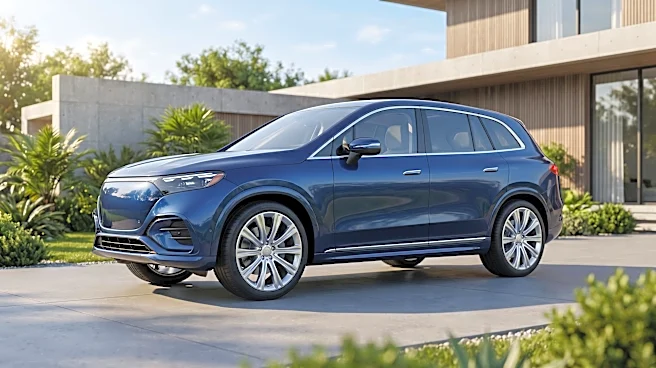
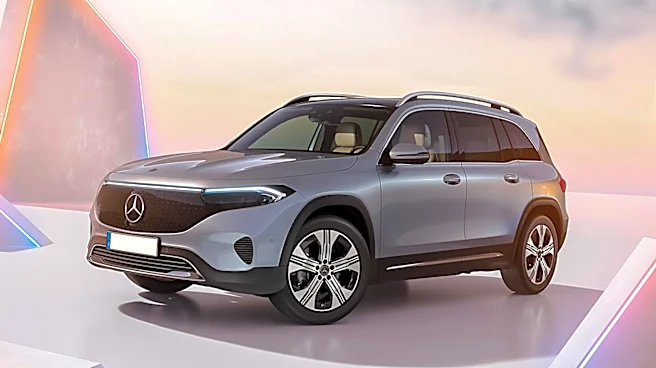
Mercedes-Benz has introduced the redesigned 2028 GLA, featuring both internal-combustion engine (ICE) and battery-electric vehicle (BEV) versions that are nearly identical in appearance, save for their grilles. Company chairman Ola Källenius stated the design is
'clearly electric-first.' The electric GLA, built on Benz’s MMA platform, boasts an 800-volt architecture and an 85-kWh battery, allowing for rapid DC recharging up to 320 kilowatts, capable of charging from 10 to 80 percent in 22 minutes. While the electric-first strategy was initially planned for the U.S., a reversal means the GLA hybrid will arrive first, with the gas-engine GLA expected in late 2027 and the EV in the first half of 2028. The new GLA is larger than its predecessor, with a 2.4-inch longer wheelbase and increased length, width, and height. The interior features a digital-heavy dashboard with an available Superscreen, including a 14.0-inch passenger display, a 14.0-inch center touchscreen, and a 10.3-inch instrument screen. Powertrain options include a single-motor GLA250+ with 268 horsepower and a dual-motor GLA350 4Matic with 349 horsepower, both utilizing a two-speed transmission on the rear axle for efficiency.
Why It's Important?
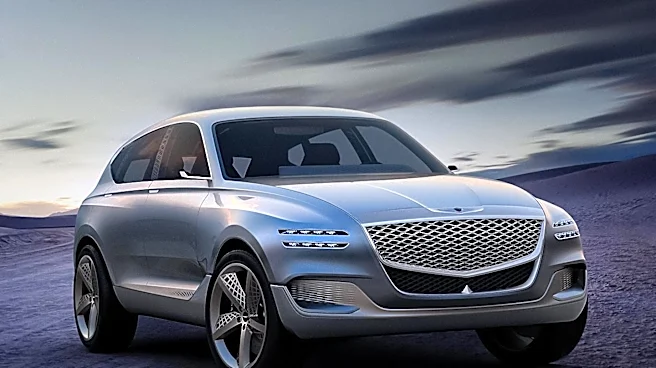
The introduction of the 2028 Mercedes-Benz GLA EV signifies a critical step in the automotive industry's transition towards electrification, even as Mercedes-Benz adjusts its U.S. market strategy to prioritize hybrid models initially. This move reflects the complex challenges and varying market demands in the U.S. for electric vehicles, potentially indicating a more cautious approach to full EV adoption compared to other regions. For U.S. consumers, the delayed arrival of the GLA EV means continued reliance on hybrid options, which could impact the pace of EV infrastructure development and consumer adoption. The advanced 800-volt architecture and rapid charging capabilities of the GLA EV, once available, will set a new benchmark for convenience and performance in the luxury compact SUV segment, intensifying competition with rivals like the electric Mini Countryman, Genesis GV60, and Cadillac Optiq. This strategic rollout could also influence other manufacturers' decisions regarding their EV launch timelines and market segmentation in the U.S., as they balance technological innovation with consumer readiness and regulatory landscapes.
What's Next?
The U.S. market will first see the GLA hybrid, followed by the gas-engine GLA in late 2027, and then the GLA EV in the first half of 2028. This staggered release will allow Mercedes-Benz to gauge consumer interest and adapt to the evolving EV landscape in the U.S. The company will likely focus on refining its charging infrastructure partnerships and marketing strategies to prepare for the eventual arrival of the GLA EV. Competitors in the luxury compact EV segment, such as Mini, Genesis, Cadillac, and Rivian, will be closely monitoring Mercedes-Benz's rollout and sales performance to adjust their own product offerings and pricing strategies. The EPA range estimates for the GLA EV are yet to be released, and these figures will be crucial in determining its competitiveness and appeal to U.S. buyers. Further developments in battery technology and charging networks between now and 2028 could also significantly impact the market reception of the GLA EV.
Beyond the Headlines
The strategic decision by Mercedes-Benz to launch the GLA hybrid before the full EV in the U.S. highlights a broader industry trend of navigating the transition to electric vehicles with a pragmatic approach. This move suggests that while the long-term vision is electric, immediate market conditions, consumer preferences, and infrastructure readiness in certain regions still necessitate a bridge with hybrid technologies. This could lead to a prolonged period where both ICE, hybrid, and EV options coexist, offering consumers a wider array of choices but also potentially fragmenting the market. The 'electric-first' design philosophy, even for ICE variants, indicates a fundamental shift in automotive engineering, where vehicles are designed with electrification in mind from the outset, regardless of their initial powertrain. This approach could accelerate the integration of EV components and design principles across all vehicle types, ultimately leading to more efficient and technologically advanced cars, even those with traditional engines. The emphasis on digital interiors and advanced driver-assistance systems also points to a future where the driving experience is increasingly defined by software and connectivity.