







What's Happening?
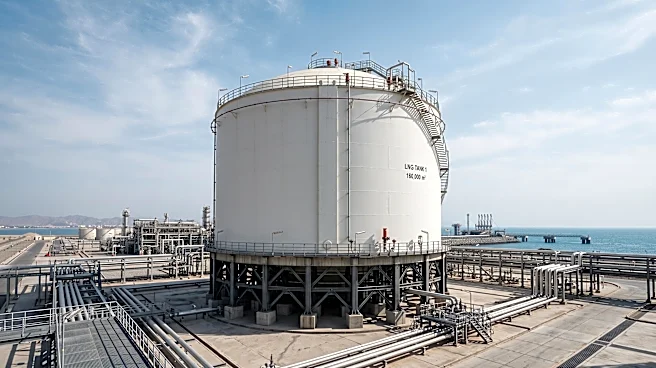
China is currently importing less liquefied natural gas (LNG) despite the onset of peak demand season. This reduction is attributed to an abundant domestic gas supply, which has led to significantly lower prices within China. The national average for
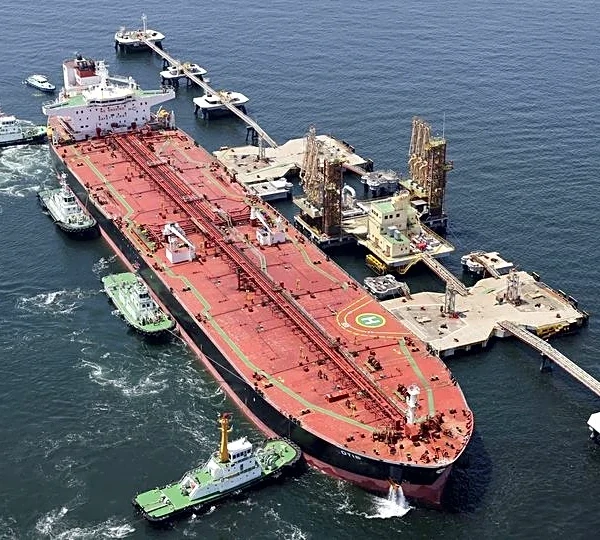
LNG in China stands at $21.97 per million British thermal units, nearly $10 below the Japan/Korea Marker benchmark. State-owned energy companies in China have completed their gas stockpiling efforts and are now releasing gas from their inventories. This sufficient domestic supply has made spot market LNG purchases less attractive for Chinese buyers, who are typically among the world's largest purchasers of LNG. The shift in China's purchasing behavior means a larger-than-usual amount of LNG is available on the global market for other Asian countries and Europe.
Why It's Important?
This development holds significant implications for the global energy market, particularly for European countries. With global gas supply facing disruptions due to geopolitical tensions in the Middle East and the European Union's ban on Russian gas, the additional LNG available from China's reduced imports could help alleviate supply concerns. This increased availability on the spot market has the potential to lower international spot prices for LNG, offering a measure of relief to European nations striving to build up their winter stockpiles. For the U.S., a major LNG exporter, a decrease in demand from a key buyer like China could influence export strategies and pricing, potentially leading to adjustments in production or redirection of supplies to other markets. The shift highlights the interconnectedness of global energy markets and how domestic supply dynamics in one major consumer can ripple across continents.
What's Next?
The immediate consequence is a potential easing of LNG spot prices globally, which could benefit European countries as they continue to secure energy supplies for the upcoming winter. This situation might also prompt U.S. LNG producers and exporters to re-evaluate their market strategies, potentially seeking new buyers or adjusting their pricing to remain competitive in a market with increased supply. The long-term impact will depend on China's sustained domestic gas production levels and its future LNG import requirements. If China continues to prioritize domestic supply, it could lead to a more sustained shift in global LNG trade patterns, influencing investment decisions in new LNG export facilities and long-term supply contracts worldwide. The dynamic interplay between domestic supply, geopolitical factors, and global demand will continue to shape the LNG market.
Beyond the Headlines
This situation underscores the strategic importance of energy independence and diversified supply chains for nations. China's ability to rely on its domestic gas supply provides it with greater energy security and leverage in international energy markets, reducing its vulnerability to global price fluctuations and geopolitical pressures. For other nations, particularly those heavily reliant on energy imports, this serves as a reminder of the economic and political advantages of developing indigenous energy resources or securing stable, long-term supply agreements from diverse sources. The environmental implications are also noteworthy; a shift towards domestic gas could influence China's carbon emissions profile, depending on the source and production methods of its internal gas supply. This event highlights the complex balance between economic stability, energy security, and environmental considerations in national energy policies.