

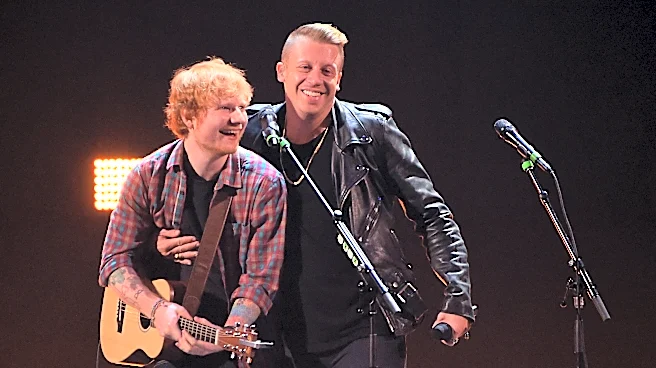
What's Happening?
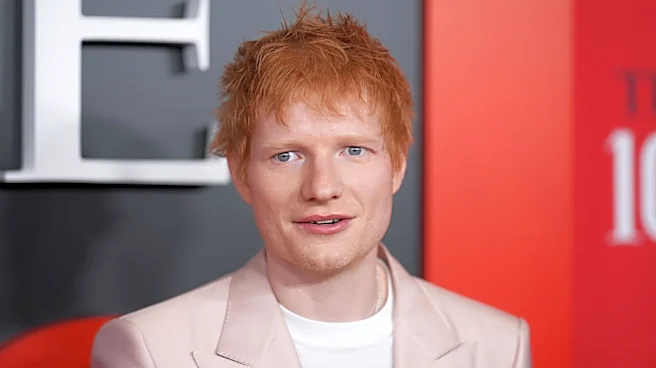
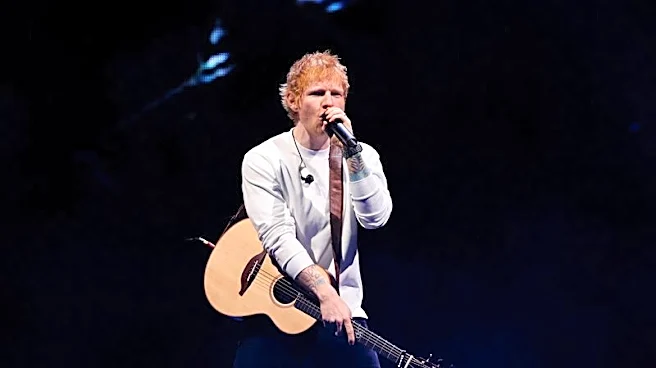
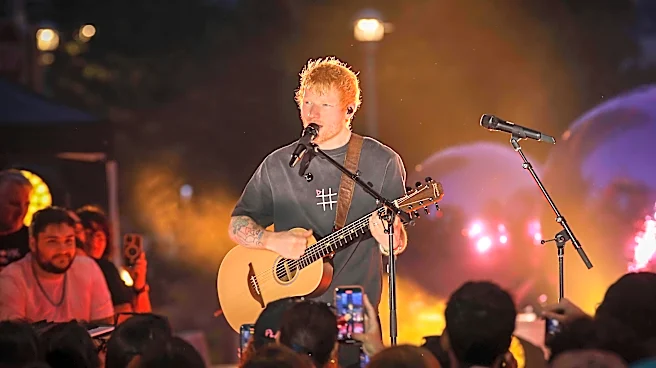
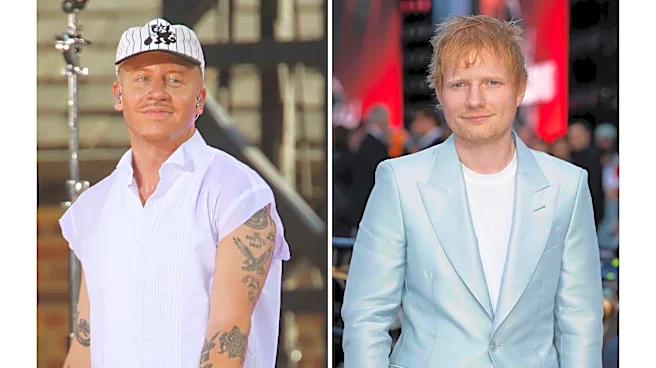
Ed Sheeran has issued a statement addressing the removal of Macklemore as an opening act from the remaining U.S. dates of his 'Loop Tour'. Sheeran clarified that the decision was made by the tour's promoter and venues, not by him. According to Sheeran,
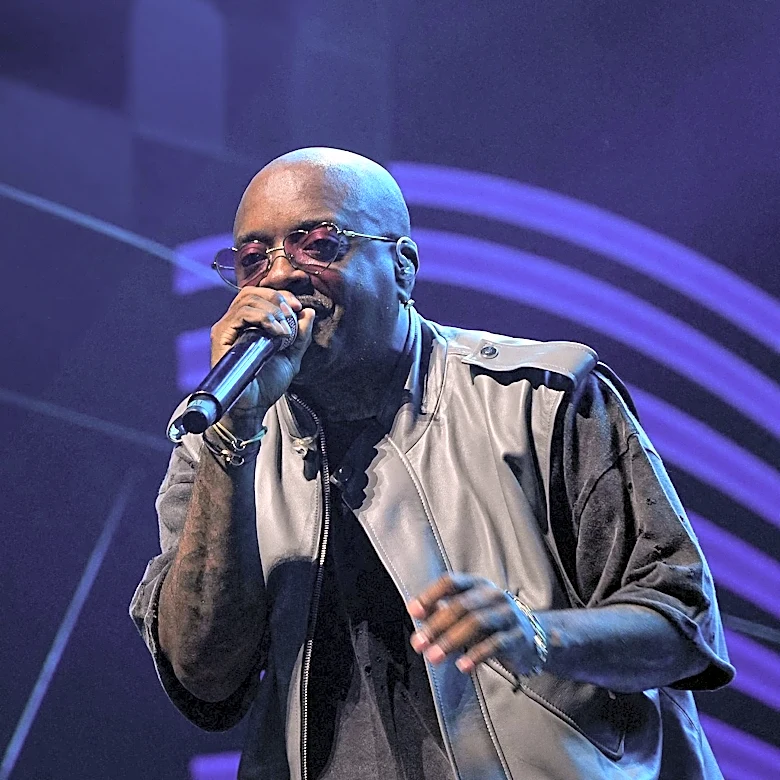
after Macklemore's performances in New Jersey, venues for upcoming tour dates communicated that they would cancel shows if Macklemore remained on the lineup. This stance was reportedly based on how Macklemore conveyed part of his message during his performance. Sheeran stated he spent a week attempting to find a resolution, engaging in discussions with venues, promoters, and even New England Patriots owner Robert Kraft, who had expressed his disapproval of Macklemore performing at Gillette Stadium. Despite these efforts, the venues' and promoter's decision was final. Sheeran emphasized that his contract with Macklemore was with the promoter, not directly with him, and he chose to continue the tour to avoid disappointing fans and abandoning his touring crew and other support acts.
Why It's Important?
This incident highlights the complex interplay between artistic expression, venue policies, and commercial interests in the entertainment industry. Macklemore's removal due to his pro-Palestinian comments underscores the increasing pressure artists face regarding political stances, particularly concerning sensitive international conflicts. The involvement of figures like Robert Kraft, a prominent sports team owner, further illustrates how influential individuals can impact artistic freedom and event logistics. For artists, this situation raises questions about the extent of their autonomy on tour and the potential repercussions of expressing their views. For venues and promoters, it demonstrates the balancing act between upholding contractual obligations, managing public perception, and ensuring event viability. The event also reflects broader societal tensions and how they can manifest in cultural spaces, potentially influencing future tour agreements and artist-venue relationships.
What's Next?
The immediate consequence is that Macklemore will not perform on the remaining U.S. dates of Ed Sheeran's 'Loop Tour'. This situation may lead to further discussions within the music industry regarding clauses in artist contracts related to political expression and venue rights. Other artists might re-evaluate their touring agreements or consider potential backlash when expressing strong political views during performances. There could also be continued public debate among fans and activists regarding freedom of speech in entertainment venues. Promoters and venues might face increased scrutiny over their policies concerning artist content. This event could also influence how artists choose to engage with political topics on stage, potentially leading some to be more cautious or others to be more defiant in their expressions.
Beyond the Headlines
This event delves into deeper implications concerning censorship, corporate influence on artistic freedom, and the role of artists as public figures. While Sheeran stated he respects Macklemore's right to express his beliefs, the outcome suggests that venues and promoters hold significant power in dictating what content is permissible on their stages, especially when it touches upon controversial political issues. This raises ethical questions about whether commercial entities should have the authority to limit artistic expression, even if it's to avoid potential financial or reputational risks. The incident also reflects a broader cultural trend where public figures are increasingly expected to take stances on global events, yet face significant consequences when those stances are deemed too divisive by powerful stakeholders. It underscores the ongoing tension between artistic integrity and the commercial realities of the entertainment business, potentially setting precedents for how political discourse is managed in live performance settings.