






What's Happening?
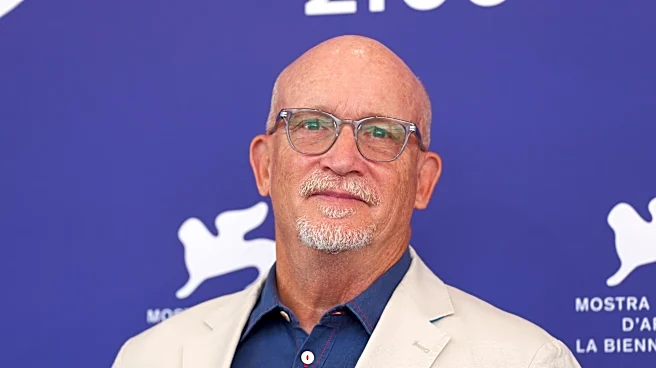
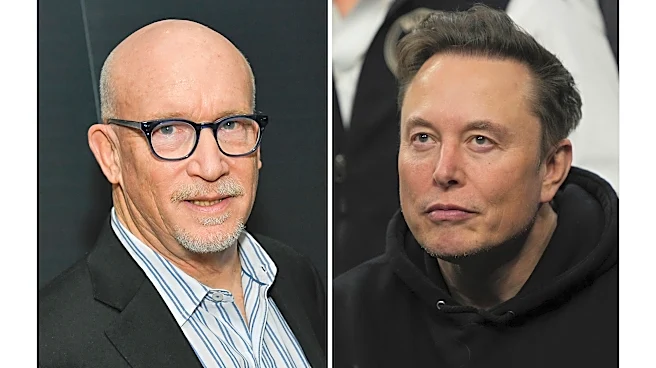
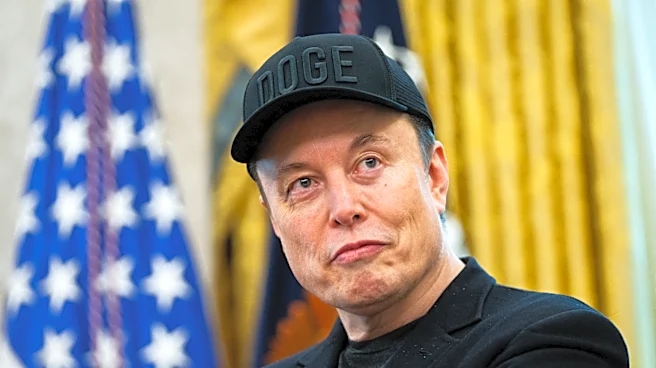
A new documentary titled 'Musk,' directed by Alex Gibney, features allegations from Elon Musk's first wife, Justine Musk, that he refers to the mothers of his 14 children as 'breeders.' According to AFP news agency, which reviewed the film, Justine Musk specifically
noted that to Elon, 'the breeders are interchangeable.' She also claimed that during their wedding, Elon told her he was the 'alpha' in their relationship. The documentary, set to be released in October, also includes statements from his ex Ashley St. Clair, who claims Musk texted her about wanting 'a legion of children before the civil war.' Elon Musk has publicly dismissed the documentary as a 'hit piece that misses' and 'boring.'
Why It's Important?
These allegations, if widely publicized, could significantly impact Elon Musk's public image and reputation, particularly concerning his relationships with women and his views on family. The term 'breeders' is often perceived as dehumanizing and could draw criticism from various social and advocacy groups. For his companies, such as Tesla and SpaceX, this could lead to negative public sentiment, potentially affecting consumer perception and employee morale, especially among female employees. The claims also highlight the complexities and personal dynamics within the lives of high-profile public figures, often brought to light through media scrutiny. This situation could spark broader discussions about gender roles, power dynamics in relationships, and the language used to describe women and motherhood.
What's Next?
The release of the documentary 'Musk' in October will likely bring these allegations to a wider audience, potentially intensifying public discussion and scrutiny of Elon Musk's personal life and views. It is probable that Musk or his representatives will issue further statements to counter these claims. The media's coverage of the documentary and its contents will play a crucial role in shaping public perception. This situation could also lead to increased attention on Musk's past and present relationships, as well as his public statements regarding population and procreation. The impact on his public image and business ventures will depend on how these allegations are received and addressed in the coming months.
Beyond the Headlines
This story delves into the ethical and cultural implications of how powerful men perceive and interact with women, particularly in the context of family and procreation. The alleged use of the term 'breeders' raises questions about objectification and the potential for patriarchal attitudes to manifest in personal relationships, even among highly influential individuals. It also touches on the broader societal conversation about gender equality and respect for women. Furthermore, the documentary's role in bringing these private allegations to public attention highlights the power of media to hold public figures accountable, even in their personal lives. This could contribute to a larger dialogue about the responsibilities of public figures and the impact of their personal conduct on their professional standing and societal influence.