
What's Happening?
Quiet luxury is emerging as a significant trend in fashion and lifestyle, prioritizing understated elegance, premium materials, and timeless design over overt branding and logos. This philosophy centers
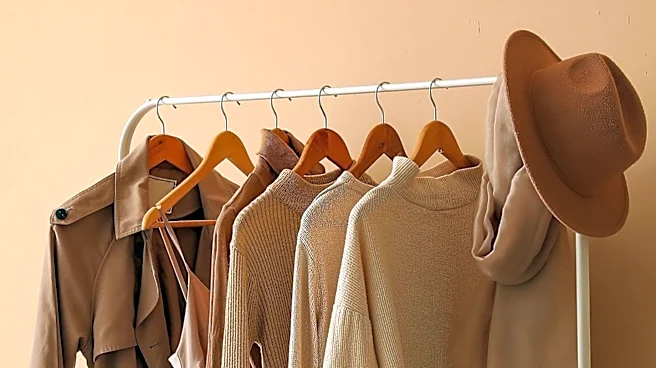
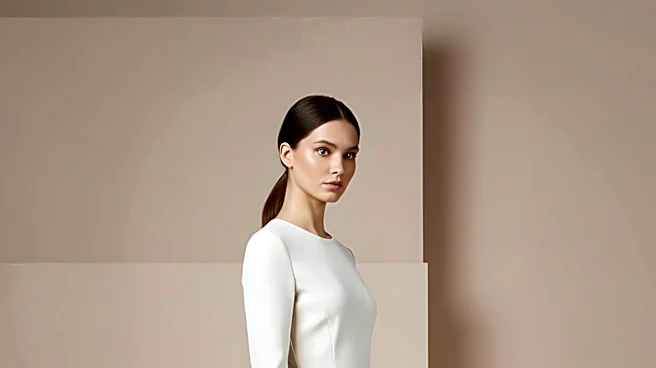
on high-quality garments that communicate their value through superior craftsmanship rather than visible labels. It signifies a departure from 'showing off' to 'knowing quality,' where the finest cashmere, impeccable tailoring, and expert construction are recognized by those with discerning taste. The movement is characterized as 'anti-bling,' offering a direct contrast to the logomania that previously dominated the fashion industry. Instead of loud displays of wealth, quiet luxury confidently asserts a sense of inherent value and quality, focusing on natural fibers, restrained color palettes, and silhouettes that skim the body without being overly tight or oversized. This approach emphasizes longevity and versatility, with pieces designed to remain stylish for years.
Why It's Important?
This shift in luxury consumption holds significant implications for the fashion industry and consumer behavior. It challenges the long-standing model where brand recognition and visible logos were primary drivers of luxury sales. For consumers, it encourages a more mindful approach to purchasing, prioritizing investment in durable, high-quality items that offer a lower cost per wear. This could lead to a reduction in fast fashion consumption and a greater appreciation for sustainable practices. For brands, it necessitates a refocus on core competencies such as material sourcing, manufacturing excellence, and design integrity. Companies that can deliver genuine quality and timeless appeal without relying on overt branding are likely to thrive in this evolving landscape. It also creates a more exclusive form of luxury, where status is signaled through subtle details and an understanding of unspoken codes, rather than easily recognizable symbols, potentially segmenting the market further between those who 'know' and those who 'show.'
What's Next?
The quiet luxury trend is expected to continue influencing design and marketing strategies across the fashion industry. Brands may increasingly invest in research and development for new materials, advanced manufacturing techniques, and sustainable production methods to meet the demand for high-quality, understated products. Retailers might adjust their merchandising to highlight craftsmanship and material composition rather than brand names. Consumers are likely to become more educated about fabric types, construction details, and the ethical implications of their purchases. This could also lead to a rise in demand for bespoke or custom-made garments, further emphasizing individuality and quality over mass-produced items. The trend may also extend beyond fashion into other luxury sectors, such as home goods and travel, as consumers seek understated quality in all aspects of their lifestyle.
Beyond the Headlines
The rise of quiet luxury reflects broader societal shifts, including a potential fatigue with overt consumerism and a growing desire for authenticity and substance. It can be seen as a response to the 'always-on' culture and the pervasive influence of social media, where constant display can feel performative. By opting for understated pieces, individuals may be reclaiming a sense of privacy and personal style that is less susceptible to fleeting trends or external validation. This movement also touches upon ethical considerations, as consumers increasingly scrutinize the origins and production methods of their goods. The emphasis on longevity and quality inherently promotes a more sustainable consumption model, potentially reducing waste and supporting more responsible manufacturing practices. Ultimately, quiet luxury suggests a redefinition of value, moving from superficial markers to intrinsic worth and personal discernment.