
What's Happening?
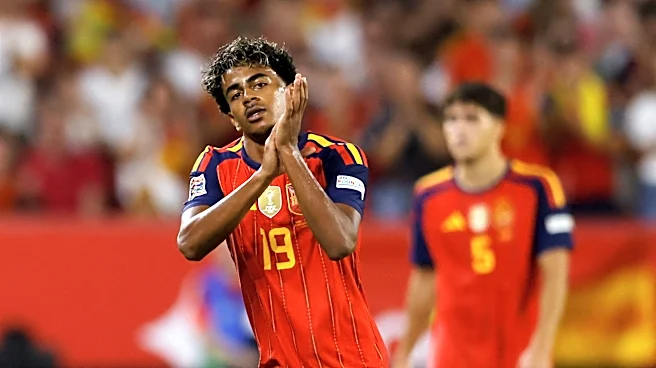
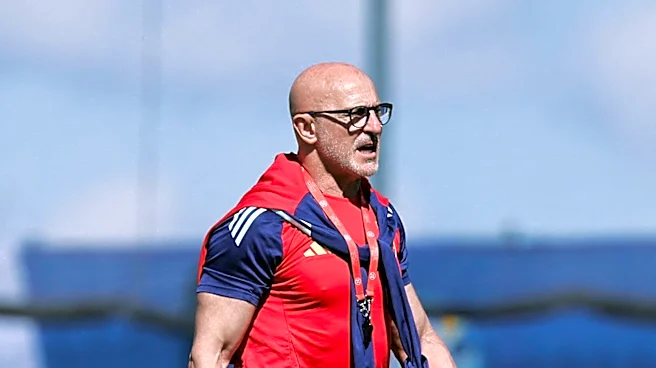
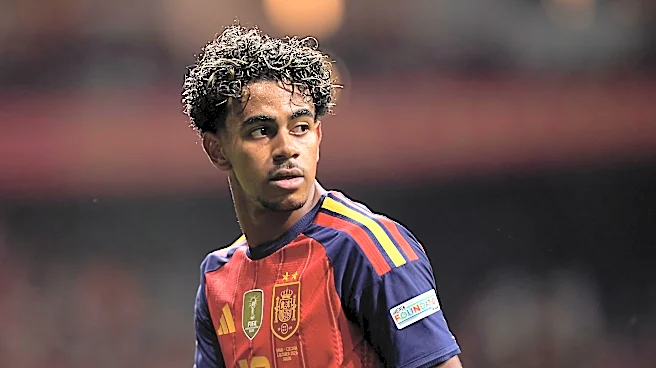
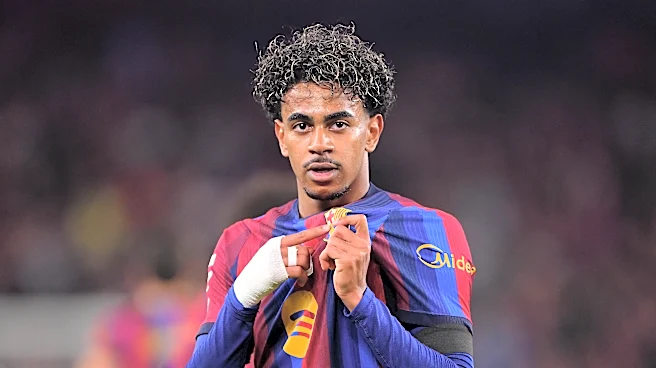
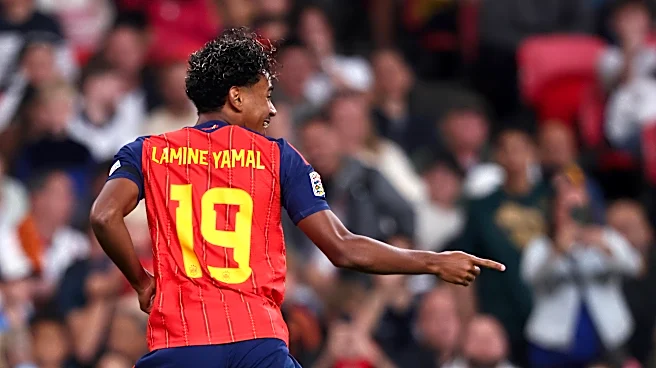
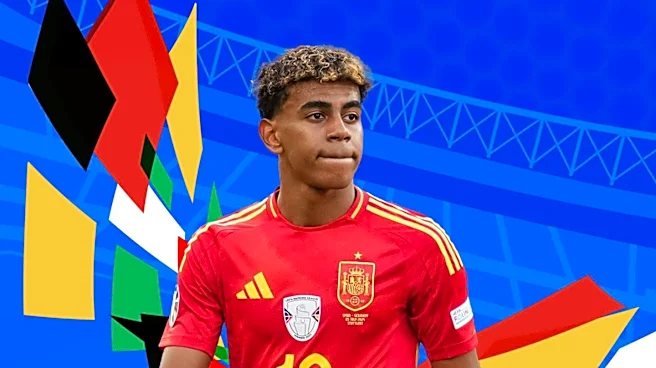
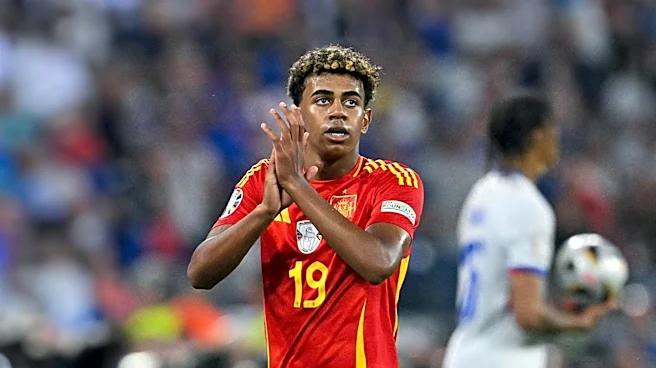
Aitor Karanka, the technical director of the Spanish national team, has publicly defended Lamine Yamal following controversy surrounding the Barcelona winger's absence from Spain's match against Czechia.
Yamal, 19, was left out of the squad for the trip to Prague after medical examinations confirmed concerns over his knee. This decision sparked criticism regarding his commitment to the national team and alleged preferential treatment from manager Luis de la Fuente. Karanka clarified that Yamal's decision to remain in Barcelona was a joint one, made by the player, medical staff, and De la Fuente. He explained that Yamal experienced knee problems during Barcelona's game against Atletico Madrid, and after an MRI, it was decided that he should recover properly and avoid travel to be in the best condition for future matches. Karanka also noted that Mikel Oyarzabal was in a similar situation and did not feature against Czechia due to physical discomfort.
Why It's Important?
This defense by the technical director is crucial for managing public perception and maintaining team cohesion. Accusations of lack of commitment or preferential treatment can create divisions within a squad and negatively impact a player's reputation. Karanka's clear explanation helps to dispel rumors and reinforces the idea that player welfare and strategic recovery are prioritized. For Lamine Yamal, this public support from a high-ranking official is vital for his morale and continued integration into the national team. It also highlights the delicate balance national teams must strike between player availability, injury management, and public expectations, especially for young, high-profile athletes who are under constant scrutiny.
What's Next?
With Karanka's clarification, the immediate controversy surrounding Yamal's absence is likely to subside. The focus will now shift to Yamal's continued recovery and his performance in upcoming matches, as he has already returned to action against England. The Spanish national team will likely continue to emphasize transparent communication regarding player injuries and selections to prevent similar misunderstandings. This incident may also prompt further discussions within sports organizations about how to best manage player health and public relations, particularly for young stars who are subject to intense media and fan scrutiny.
Beyond the Headlines
This situation underscores the broader issue of athlete well-being and the pressures placed on young professional athletes. The decision to rest Yamal, despite public criticism, reflects a growing emphasis on long-term player health over short-term gains. It also highlights the role of medical staff in high-performance sports and their collaboration with coaching staff in making critical decisions. The incident also serves as a reminder of how quickly narratives can form around athletes, often without full information, and the importance of official statements in correcting misinformation. It speaks to the evolving landscape of sports management, where player care, media relations, and team dynamics are intricately linked.