



What's Happening?
The robotics industry is experiencing substantial growth, with 166 companies currently advertising 8,146 open job roles. This hiring trend is seen as an indicator of where the robotics sector is heading, often preceding formal product announcements. Notably,
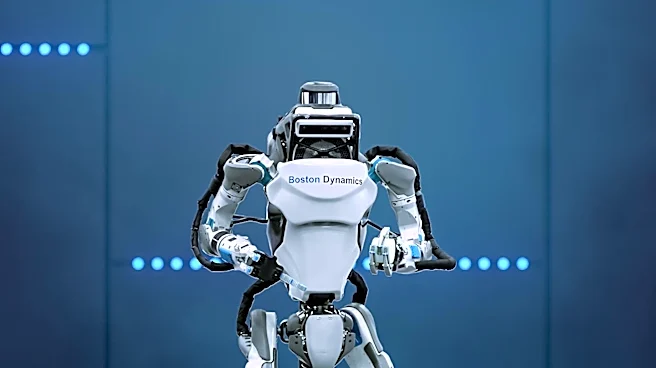
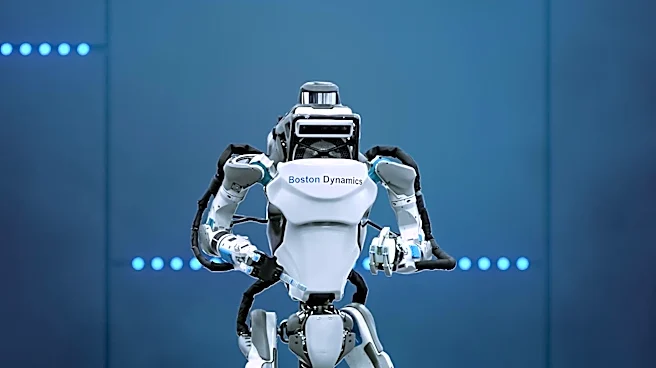
humanoid robotics manufacturers are a significant part of this expansion, with companies like NEURA Robotics listing 236 open positions, Figure with 104, 1X with 104, Boston Dynamics with 86, Apptronik with 85, and Agility Robotics with 75. Beyond humanoid robotics, job advertisements also reveal strategic moves by larger tech entities; for instance, Oracle is hiring for an "OCI Robotics Cloud," described as a "cloud operating system for robotics," despite no official product announcement. This widespread recruitment suggests a robust and expanding ecosystem within the robotics sector.
Why It's Important?
The significant number of open roles across the U.S. robotics industry highlights a period of rapid innovation and expansion, indicating a strong demand for skilled professionals in this sector. This growth has broad implications for the U.S. economy, potentially leading to job creation, technological advancements, and increased productivity across various industries. The focus on humanoid robotics suggests a future where robots are more integrated into human environments, performing complex tasks in warehouses, manufacturing, and distribution centers. The involvement of major tech companies like Oracle in developing cloud infrastructure for robotics also points to the increasing sophistication and interconnectedness of robotic systems. This trend could drive further investment in research and development, foster new partnerships between tech companies and robotics manufacturers, and solidify the U.S.'s position as a leader in advanced robotics.
What's Next?
The current hiring surge in the robotics industry is likely to lead to several key developments. Companies are expected to continue expanding their workforce, particularly in specialized areas such as AI, mechatronics, and cloud computing for robotics. This growth will likely result in the accelerated development and deployment of new robotic technologies, including more advanced humanoid robots and sophisticated cloud-based robotics platforms. The increased demand for talent may also spur educational institutions to offer more specialized programs in robotics and related fields. Furthermore, the job ads, particularly those from companies like Oracle, suggest that new products and services in robotics are on the horizon, which could be officially announced in the near future. This expansion is anticipated to drive further automation across various U.S. industries, impacting labor markets and operational efficiencies.
Beyond the Headlines
The robust hiring in the robotics sector, particularly for humanoid robots and cloud-based robotics, carries deeper implications for U.S. society and the economy. Ethically, the increasing deployment of humanoid robots raises questions about human-robot interaction, job displacement, and the definition of work. Legal frameworks may need to evolve to address issues such as robot autonomy, liability in case of malfunction, and data privacy for systems operating in human environments. Culturally, the widespread adoption of robots could reshape societal norms around labor, leisure, and human-machine collaboration. The demand for data work, often outsourced to external annotation teams, also highlights the hidden labor infrastructure supporting AI and robotics development, raising questions about fair labor practices and the global distribution of work. This trend signifies a long-term shift towards an increasingly automated and interconnected future, with profound impacts on the U.S. workforce and daily life.