




What's Happening?
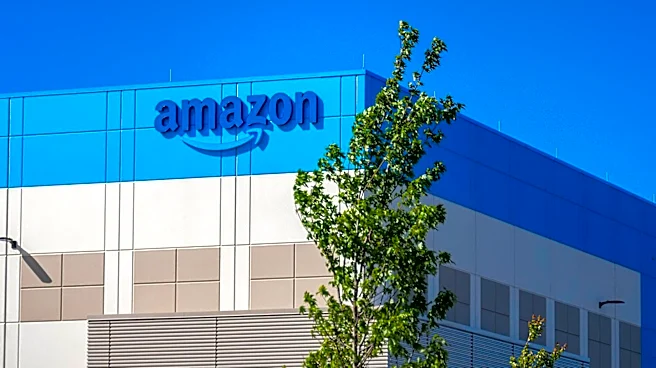
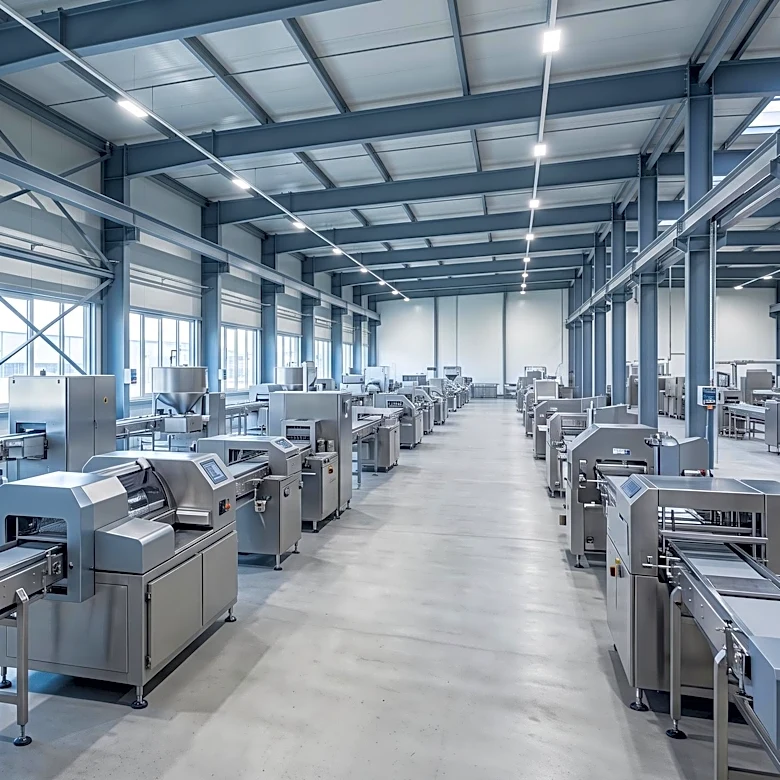
Amazon has announced a multi-billion-dollar investment to establish a new robotics manufacturing facility in East Austin. This facility will be dedicated to building robotic systems for Amazon's logistics network, focusing on tasks such as repetitive
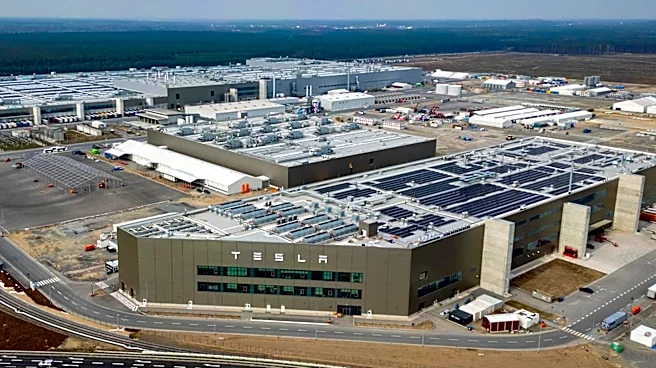
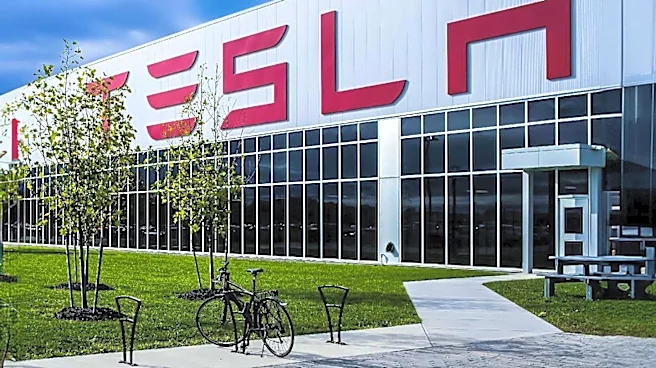
actions and heavy lifting. The project is expected to create between 300 and 500 new manufacturing and engineering jobs, with estimated salaries ranging from $75,000 to $150,000, according to city officials. The facility will occupy approximately 300 acres within the Dog's Head development, a 2,600-acre site along the Colorado River. Notably, Mayor Kirk Watson confirmed that Amazon did not request any economic incentives or public money from the city for this venture, distinguishing it from previous large-scale projects by companies like Tesla and Samsung in the metro area.
Why It's Important?
This development is significant for Austin's economic landscape and its growing reputation as a technology and manufacturing hub. Amazon's decision to invest heavily without seeking public incentives underscores the city's inherent appeal, particularly its 'world-class innovation ecosystem' and 'talent pipeline,' as highlighted by Mayor Watson. The creation of hundreds of high-paying jobs will boost local employment and economic growth. Furthermore, this investment solidifies Austin's position in the advanced manufacturing sector, particularly in robotics, and reinforces the city's academic partnerships, such as the ongoing collaboration between Amazon and UT Austin in machine learning and robotics research since 2023. This move could attract further tech and manufacturing investments, enhancing Austin's competitive edge.
What's Next?
The new Amazon robotics facility is poised to become a major industrial anchor in the Dog's Head development, potentially catalyzing further growth and infrastructure development in East Austin. The integration of this facility with Austin's existing robotics ecosystem, including the recently announced $30 million National Science Foundation robotics center at UT, suggests a future of accelerated innovation and collaboration. The influx of new jobs will necessitate continued development of the local workforce and educational programs to meet the demand for specialized skills. This investment could also set a precedent for future corporate expansions in Austin, potentially influencing how other large companies approach establishing operations in the city without relying on public subsidies.
Beyond the Headlines
Amazon's decision to forgo economic incentives for its Austin robotics facility carries broader implications for urban development and corporate responsibility. It challenges the conventional model where cities often offer substantial tax breaks and subsidies to attract major corporations. This move suggests that a robust local ecosystem, including a skilled workforce and strong academic institutions, can be a sufficient draw for significant investments. It could empower other cities to negotiate more favorable terms with corporations, reducing the burden on taxpayers. Additionally, the focus on robotics manufacturing highlights the ongoing shift towards automation and advanced technology in the U.S. economy, positioning Austin at the forefront of this industrial transformation and raising questions about the future of labor and manufacturing jobs.